변화(變化)라는 단어를 얘기할 때 우리는 생존(生存)을 염두 하지 않을 수 없다. 약 46억년 동안 지구의 역사는 생존을 위한 끊임없는 변화의 연속이었다.
1831년 영국의 해군 측량선 비글호에 승선하여 남아메리카와 갈라파고스 제도를 비롯한 남태평양의 여러 섬들과 오스트레일리아를 탐사하면서 각종 동식물 자료를 수집하게 된 찰스 다윈은 1859년에 세계적인 저서 “종의 기원”을 발표하며 진화론을 주장하였고, 이 진화론은 지금까지도 지구의 역사를 설명하는 가장 보편적인 진리가 되어왔다.
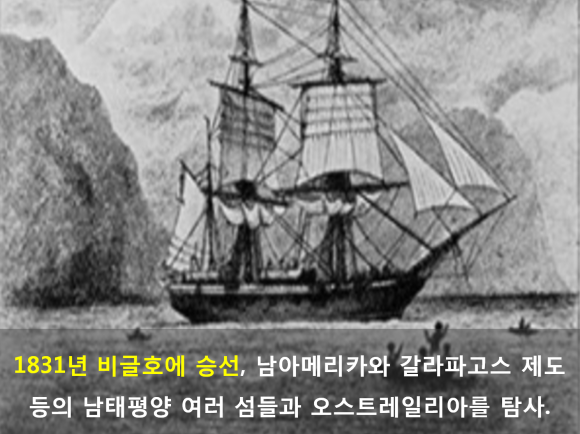
그리고 세기를 뛰어넘어 21세기를 살고 있는 지금 우리에게 다윈의 진화론은 치열한 경쟁(競爭)에서 살아 남기 위한 인간사회라는 밀림의 생존의 지혜를 시사해주고 있다.
진화론에 대해서 흔히들 약육강식(弱肉强食)이란 말을 많이 한다. 약육강식이란 ‘강(强)한 자가 약한 자를 잡아 먹는다’란 뜻으로, 생존경쟁의 살벌함을 말하고 있다. 그런데 만약 약육강식의 법칙이 이 지구를 지배하였다면 지금 지구는 누가 지배하고 있을까?
어쩌면 가장 강했던 공룡의 세상이 되었을지도 모르겠다. 하지만 공룡은 빙하기라는 혹독한 추위를 견디지 못하고 멸종하였으며, 지금 지구는 인간을 비롯하여 수많은 변화를 극복한 생물들이 함께 살아가고 있다.
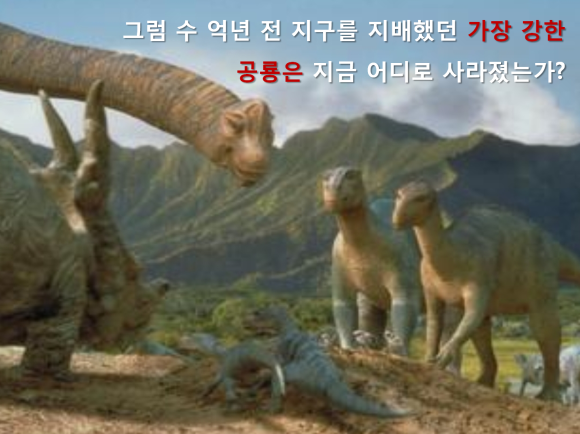
결국 다윈의 진화론은 자연선택에 의한 적자생존(適者生存)과 자연도태(自然淘汰)를 얘기하고 있는 것으로써, 강자가 살아 남는 게 아니라, 환경에 적응하여 변화하는 자가 도태되지 않고 살아남을 수 있다는 것이다.
이렇게 자연 생태계가 변화해왔듯이 인간이 사는 세상도 끊임없이 변하고 있다. 아니 그 속도는 자연의 변화를 뛰어넘어 문화와 문명을 탄생시켰고, 그 문명의 한 부분 경제적 분야에 속한 기업과 그 기업에 속한 우리는 생태계보다 더욱 치열한 경쟁사회 속에서 생존을 위해 몸부림 치고 있다.
35년 전인 1988년 대학을 갓 졸업하고 지금의 LG전자인 당시 금성사에 취직했을 때의 나와 현재의 취업 준비생들에게 요구되는 역량은 너무도 다르다. 그 흔한 PC조차 없어 여직원이 타자기로 서류를 작성하고 먹지를 대고 문서를 손으로 썼던 아날로그 시대였던 당시에는 열정과 패기, 그리고 성실함만 있으면 대기업에 취직될 수 있었던 시대였다.
그러나 지금의 대학생들은 800점 이상의 토익과 어학연수, PC사용능력, 인턴경험, 그리고 사회 봉사활동 등을 통해 경력을 쌓아 자신의 능력을 인정받으려고 하고 있지만, 그 모든 커리어조차도 이제는 남들과 다른 차별점이 되지 못하고 있다.
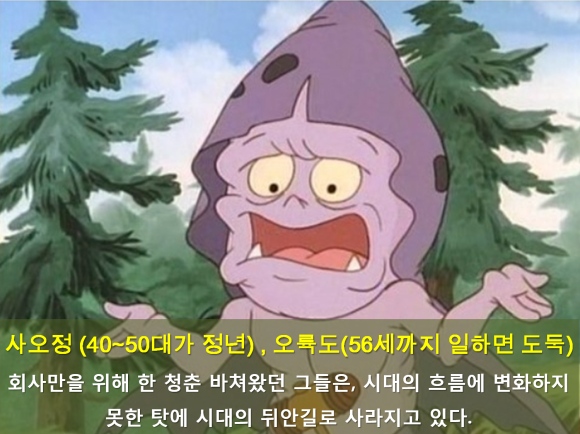
또한 1998년 IMF 이후 대한민국은 더 이상 정년을 보장해주는 기업이 사라졌으며, 사오정(4~50대가 정년), 오륙도(56세까지 일하면 도둑)라는 말과 함께 미쳐 준비되지 못한 젊은 중년들이 그 동안 기업이 보호해줬던 테두리에서 쫒겨나 냉혹한 현실에 내몰리듯 쏟아져 나왔다.
오직 회사만을 위해 한 청춘 바쳐왔던 그들은, 자신의 계발을 소홀히 하고 시대의 흐름에 변화하지 못한 죄로 천형과도 같은 너무도 큰 벌을 한번에 다 받으며 시대의 뒤안길로 사라졌다. 그리고 이런 일들은 한 시대로 사라진 일이 아니라, 지금도 더욱 심하게 진행되고 있는 대한민국의 아픈 현실이다. (계속)
——————-
When we speak of the word “change,” we cannot help but keep survival in mind. For approximately 4.6 billion years, the history of Earth has been a continuous process of change for survival.
In 1831, Charles Darwin boarded the British naval survey ship, HMS Beagle, and collected various animal and plant specimens while exploring South America, the Galápagos Islands, various islands in the South Pacific, and Australia. In 1859, he published his world-renowned book On the Origin of Species, in which he argued for the theory of evolution, which has remained the most universal truth explaining the history of Earth up until today.
Fast forward to the 21st century, and Darwin’s theory of evolution continues to offer insight into the wisdom of survival in the fierce competition of human society, often referred to as a jungle.
People often associate the theory of evolution with the phrase “survival of the fittest,” which describes the harshness of survival competition. But if the law of “survival of the fittest” had truly governed Earth, who would be in control now?
Perhaps it would still be the world of the dinosaurs, the strongest creatures at the time. However, dinosaurs were unable to endure the harsh cold of the Ice Age and became extinct, while today’s Earth is inhabited by humans and countless other species that overcame various changes.
In the end, Darwin’s theory of evolution speaks of “natural selection” and “the survival of the fittest,” not in the sense that the strongest survive, but that those who adapt to their environment and change are the ones who avoid extinction and can survive.
Just as the natural ecosystem has changed, so has the world in which humans live. In fact, the pace of change has outstripped that of nature, giving birth to culture and civilization. Within the economic sphere, which is a part of civilization, corporations and individuals are struggling even more fiercely than ecosystems to survive in this competitive society.
Thirty-five years ago, in 1988, when I graduated from university and got a job at GoldStar (now LG Electronics), the qualifications required then and those expected of today’s job seekers are vastly different. In the analog era, when there were no common PCs and female staff had to type documents on typewriters and make carbon copies by hand, passion, drive, and diligence were enough to land a job at a large company.
But today’s university students are building their résumés with TOEIC scores above 800, study-abroad experience, computer skills, internships, and community service, all in an effort to prove their abilities. Yet even these impressive credentials no longer differentiate one from others.
Furthermore, after the 1997 IMF crisis, South Korea no longer has companies that guarantee lifetime employment. Terms like sa-o-jeong (early retirement for those in their 40s and 50s) and o-ryuk-do (you’re a thief if you work until 56) emerged, and young middle-aged workers who were unprepared found themselves suddenly thrown out of the corporate protection they had relied on, facing the harsh realities of life.
Those who devoted their youth entirely to their companies, neglecting personal development, have found themselves punished for their inability to adapt to the changing times. This punishment, as heavy as a divine curse, has pushed them into the shadows of history all at once. This isn’t a thing of the past but a painful reality that is happening even more severely in South Korea today. (To be continued)