<긍정으로 가득 찬 파토스의 소유자>
서울대학교 철학사상연구소가 해석한 니체의 주인의식에 대한 글을 인용해본다.
“주인의식을 지닌 존재는 스스로 가치평가를 할 수 있는 자, 삶을 자기극복을 통해 조형하려는 강한 의지의 소유자, 많은 욕구들의 긴장적 대립을 제어하고 자기극복 및 자기지배를 할 수 있고, 자신과 다른 유형들을 차별화시킬 수 있는 거리의 파토스(Pathos der Distanz)의 소유자다. 이런 존재는 자기 긍정과 자기 가치의 느낌을 새로운 선의 내용으로 제시할 수 있는 자다. 이런 존재, 즉 주인의식을 가진 존재가 도덕 판단의 주체가 된다.”
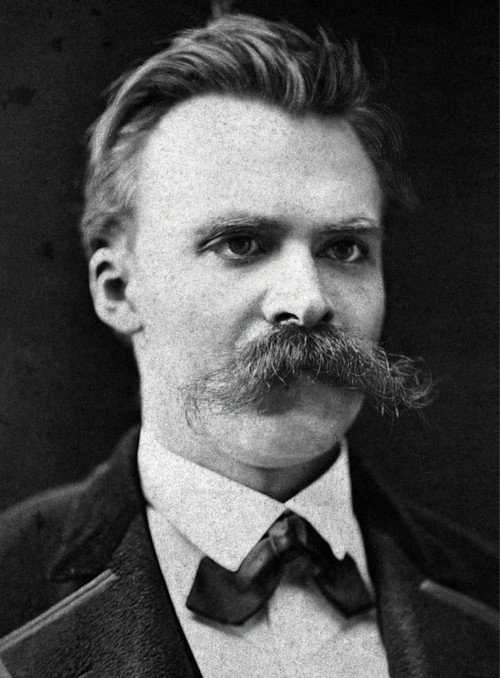
우리가 흔히들 영어로 페이소스라고 발음하는 파토스(Pathos)란, 사전에 의하면 그리스어로 열정이나 고통이나 기타 일반적으로 깊은 감정을 뜻한다. 특정한 시대, 지역, 집단을 지배하는 이념적 원칙이나 도덕적 규범을 지칭하는 에토스(ethos)와 대립하는 말로서, 파토스는 ‘정서적인 호소력’이라고 규정하고 있다.
나는 이 대목에서 파토스를 폭 넓은 의미의 열정으로 단정하고 싶다. 즉 우리가 가지고 있는 수많은 감정들을 모두 포함하며 이를 승화시킬 수 있는 긍정과 열정의 힘을 말하는 것이다.
그래서 니체는 주인의식과 반대되는 개념으로 노예의식을 다음과 같이 말했다.
“그것은 허영심 있는 사람의 피 속에 있는 ‘노예’이며, 자기 자신에 대해 좋은 평판을 유도하려는 노예의 교활함의 잔재이다.”
노예의식이 있는 사람은 여론이나 평판 혹은 다른 사람들의 시선이 중요하기 때문에 좋은 평판에 기뻐하며, 나쁜 평판에 괴로워한다. 자기에 대한 자긍심은 없고 오직 상사의 눈치만 보며 복종하고 시키는 일만 하는 것에 익숙해져 있다.
반면에 주인의식이 있는 사람은 자신에 대한 긍정에서 출발하여, 자신감과 용기, 그리고 열정을 만들어낸다. 그리고 열정은 불가능을 인식하고 스스로 그것을 가능하게 하려는 노력과 행동을 만들지만, 실패에 대한 두려움이나 후회는 없다. 그렇기 때문에 세상의 한계를 뛰어 넘을 수가 있는 것이다.
원스턴 처칠은 말했다.
“성공이란 열정을 잃지 않고 실패를 거듭할 수 있는 능력이다.”
———
Here is a passage from the Seoul National University Institute of Philosophy’s interpretation of Nietzsche’s concept of “master consciousness”:
“A being with a master consciousness is one who can evaluate values independently, possessing a strong will to shape life through self-overcoming. This being has the power to control and reconcile the tension among various desires, practicing self-overcoming and self-mastery, and owns a Pathos der Distanz—a pathos of distance that allows them to distinguish themselves from others. Such a being can present a sense of self-affirmation and self-worth as a new, ethical value. This being, one who embodies master consciousness, becomes the true subject of moral judgment.”
In English, we commonly pronounce Pathos with an anglicized “pay-sos,” but in its Greek origin, Pathos refers to deep emotion, whether passion, suffering, or any profound feeling. In contrast to ethos—which denotes the ideological principles or moral standards governing a particular era, region, or group—pathos is defined as “emotional appeal.”
In this passage, I want to embrace pathos in its broader sense of passion: an all-encompassing passion that includes the full range of human emotions and speaks to the power of positivity and zeal to sublimate these feelings.
Thus, Nietzsche uses the term “slave consciousness” as the antithesis to “master consciousness”:
“This is the ‘slave’ within the blood of the vain person, the vestige of a slave’s slyness that seeks to elicit praise for oneself.”
A person with slave consciousness is preoccupied with public opinion, reputation, or others’ perceptions, finding joy in good praise and distress in poor reviews. Such individuals lack self-esteem, constantly seek approval from superiors, and are accustomed to merely obeying orders.
In contrast, a person with master consciousness begins with self-affirmation, generating confidence, courage, and passion. This passion drives one to recognize impossibilities and then act to make them achievable, undaunted by the fear of failure or regret. For this reason, they are capable of transcending the limits of the world.
Winston Churchill once said,
“Success is the ability to go from failure to failure without losing enthusiasm.”