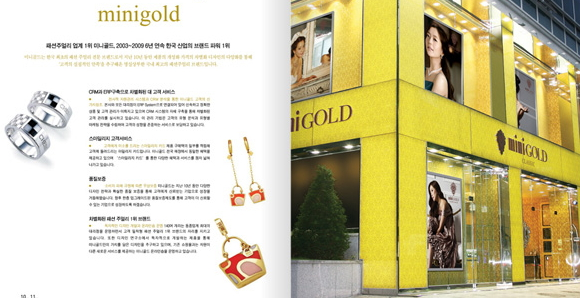
2004년 내가 입사 당시 ㈜HON이라는 회사는 미니골드라는 브랜드 자체가 바로 회사나 다름없는 상황에서 수많은 브랜드와 품목들이 모(母) 브랜드인 미니골드 테두리 안에서 서로 제살깎아먹기인 카니발라이제이션(Cannibalization)이 오랜 기간 동안 벌어지고 있던 상황이었다.
이런 상황에서는 미니골드 매장에 어떤 새로운 브랜드를 출시하여도 성장에는 큰 도움이 되지 않는다는 것은 기정 사실이었다. 그러자 나의 화두는 HON이라는 회사의 업(業)의 본질은 과연 무엇인가에 꽂혔다.
나는 생각하고 생각하고 또 생각했다. 회사에서도 출퇴근 길에서도 침대 위에서도 심지어는 화장실에서도 이 화두는 내 머리 속을 떠나지 않았다.
그렇게 생각 속에서 헤어나지 못하고 2주가 지난 어느 날, 퇴근 길에서 나는 머리 좀 식힐 겸 베르나르 베르베르의 “나무”라는 책을 읽었다. 우리의 일반적인 상식과 고정관념을 깨는 작가의 기발한 상상력의 세계가 펼쳐지는 이 책을 읽다 보니, 흩어졌던 나의 사념들이 어느 한 길을 따라 흐르더니만 마지막 종착지에서 만나는 것 같은 느낌이 들었다.
그 순간 나는 ‘유레카(Eureka)’를 마음 속으로 외쳤다. 꼬리에 꼬리를 물던 내 생각의 끝은 그 책의 한 일화에서 고정관념을 단번에 깨부숴주며 너무도 쉽게 지금까지 풀지 못했던 화두 속에서 벗어나게 해주었다.
결론적으로 나는 미니골드가 주얼리 브랜드가 아니라, 프랜차이즈 매장 브랜드임을 자각하게 된 것이다. 지금이야 국내 화장품시장에는 미샤나 페이스샵 같은 단일 브랜드샵들이 넘쳐나게 많아졌지만, 당시 내 경험 상 화장품은 복합매장에서 여러 회사와 브랜드 간의 치열한 경쟁 시대였기 때문에, 나는 매장명이 브랜드가 되어야 한다는 생각은 상상조차 하지 못했던 것이 문제였다.
마침내 나는 입사한지 한 달만에 간단한 브랜드 전략을 CEO에게 프레젠테이션을 하였는데, 지금까지 미니골드가 14k 골드 주얼리 매장이라면, 이를 중심으로 실버 악세서리 전문 매장과 결혼시장에 전문화된 다이아몬드 고급 주얼리 매장을 차별화된 컨셉으로 분리 독립시켜, 사업을 순차적으로 확대해야 함을 강조하여 극찬을 받았다.
물론 미니골드 매장에는 이미 실버나 다이아몬드 제품들이 다 준비되어 있었지만, 골드 매장에서 실버와 다이아몬드의 판매 비중은 너무도 미미한 상황이었기 때문이다.
이처럼 나의 열정은 직접 소비자를 찾아 움직이고 끊임없는 생각과 고민을 하게 하여, 능동적인 몰입의 단계에 들어가게 함으로써, 끝내는 좋은 결과를 만들어 왔다.
그러나 유레카를 외쳤던 그 희열의 순간이나 깊은 사념에 빠져 시간가는 줄 몰랐던 순간들 조차도 즐거움이요, 기쁨이었다는 것은 이를 겪어본 사람만이 알 수 있을 것이다.
중국 당송팔대가(唐宋八大家)의 한 사람으로서, 송나라 때 문학가이자 정치가였던 구양수(歐陽脩)는 귀전록(歸田錄)에서 그가 집필한 대부분의 저서를 삼상(三上)에서 완성하였다며 말하였다.
“소작문장(所作文章) 다재삼상(多在三上) 마상침상측상야(馬上枕上厠上也)
- 글을 짓는 일에는 삼상이 매우 좋으니, 바로 마상, 침상, 측상이로다.”
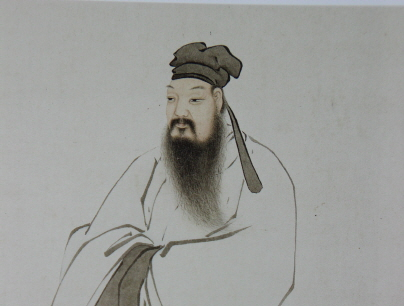
침상(枕上)이란 잠을 자는 침대 위이고, 마상(馬上)은 길을 가는 말 위, 그리고 측상(厠上)은 화장실을 의미한다. 이로 볼 때 구양수 또한 때와 장소를 가리지 않고 글을 쓰기 위해 항상 생각하는 몰입 속에서 살았지 않나 싶다.
그리고 실제로 침대에 누었을 때나, 차를 타고 어딜 갈 때나, 그리고 화장실에 앉아 있을 때는 그 어느 때보다도 강한 집중을 할 수가 있음을 모두들 공감할 수 있을 것이다.
이 세 곳, 즉 삼상(三上)의 공통된 특징이 하나 있다면, 다른 사람과 단절된 나만의 세계라는 곳이다. 수 백년 전 구양수가 살았던 송나라 시절보다도 더 복잡성이 지배하는 현대에 와서는 이처럼 좋은 나만의 공간을 찾기는 더욱 쉽지 않다.
요즘은 스마트폰이 삼상을 지배하고 있는 시대이지만, 이제 한번 스마트폰을 잠시 끄고 책을 읽거나 생각하는 사색의 시간을 삼상에서는 가져보길 바란다. 바쁜 현대인으로 살아가며 일부러 명상까지 할 여유조차도 없다면, 삼상에서 한번 몰입의 세계를 경험해 볼 수 있지 않을까 싶다.
———
In 2004, when I joined the company HON, the situation was such that the brand MiniGold practically was the company. Within MiniGold, numerous sub-brands and products were fighting a long battle of cannibalization, each eating into the other’s share under the same umbrella brand.
In this environment, launching any new brand within a MiniGold store was hardly going to spur real growth. So, the question I became obsessed with was: what is the true essence of HON’s business?
I thought about it constantly, at work, during my commute, even in bed and in the bathroom; the question refused to leave my mind.
Two weeks into this intense reflection, on my way home, I decided to take a break and read Bernard Werber’s The Tree. As I delved into the author’s world of imagination, which defied conventional wisdom and fixed ideas, my scattered thoughts seemed to start flowing down a single path, finally converging as though they were meeting at a destination.
At that moment, I mentally shouted, “Eureka!” This train of thought, which had felt endless, suddenly culminated in an insight from one of the stories in that book. It shattered my preconceived notions and unlocked the riddle that had been weighing on me.
In the end, I realized that MiniGold was not merely a jewelry brand—it was a franchise store brand. Today, single-brand cosmetics stores like Missha or The Face Shop are common in Korea, but back then, the cosmetics industry I had experienced was still a fierce battleground of multiple brands competing in multi-brand shops. The idea that the store name itself could become the brand was unimaginable to me.
Finally, after a month at the company, I presented a simple brand strategy to the CEO. Up until then, MiniGold had positioned itself as a 14K gold jewelry store. I proposed that, while maintaining this as the main offering, we differentiate and establish separate specialized stores for silver accessories and premium diamond jewelry for the wedding market, thereby expanding the business in stages. My proposal received high praise.
Of course, MiniGold stores already offered silver and diamond items, but their sales were insignificant compared to gold products.
My passion led me to engage with consumers directly and to think deeply and tirelessly, allowing me to enter a state of active flow, ultimately producing positive outcomes.
Those moments of exhilaration when I felt the “Eureka!” or the times I became so lost in thought that I lost track of time were pure joy—and only those who have experienced it will understand.
Guyang Xiu, one of the Eight Great Prose Masters of the Tang and Song dynasties, a prominent writer and statesman of the Song dynasty, once mentioned in his Gui Tian Lu (Record of Returning to the Fields) that he completed most of his writings in what he called the “Three Places”:
“所作文章 多在三上 – 馬上 枕上 厠上也.
The best places for writing are the Three Places: on horseback, in bed, and in the bathroom.”
“枕上” refers to lying in bed, “馬上” to being on horseback, and “厠上” to the bathroom. This suggests that Guyang Xiu also lived flow in thought and ideas, writing wherever he found himself.
Many of us can relate to being deeply focused when lying in bed, commuting, or even in the bathroom. These “Three Places” share a common characteristic: they are private spaces where we are cut off from others. In our complex modern world, it is even harder to find such solitary moments than it was in the Song Dynasty, hundreds of years ago.
Today, smartphones dominate the “Three Places,” but I encourage people to occasionally switch off their devices in these moments and allow themselves time for reflection or reading. For those who are too busy to set aside time for meditation, perhaps you could experience a world of flow in your own “Three Places.”