

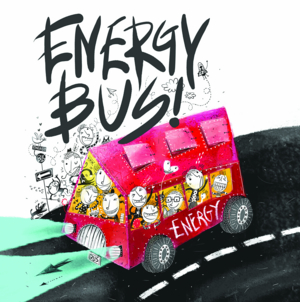
긍정 에너지에 대해 생각나는 <에너지 버스>라는 책이 있다. 저자인 존 고든은 이 책을 통해, 인생의 주인은 바로 나라는 것을 버스 운전사 조이의 입을 빌려 얘기하며 매우 재미있고 유익한 우화를 창조해냈다. 내용을 잠시 요약해 보면 다음과 같다.
월요일 아침, 마치 세상이 온통 한통속이 되어 주인공 조지를 괴롭히고 있는 것처럼, 자동차 바퀴는 펑크 났고, 직장에서 새로운 상품의 런칭에 실패하면 해고될 상황이고, 엎친 데 덮친 격으로 가정에서도 소홀했던 그에게, 아내는 더 이상 참을 수 없다며 이별의 최후통첩을 해왔다.
어쩔 수 없이 펑크 난 자동차 대신 버스를 타고 출근을 하기로 결심한 조지는 거기서 ‘조이’라는 재미있는 버스 운전사를 만나게 되고, 그로부터 인생궤도를 뒤바꿔 놓을 획기적인 이야기를 듣게 된다. 버스 운전사 조이가 한말을 그대로 인용해 본다.
“당신 버스의 운전사는 당신 자신이다’라는 말입니다. 당신 인생을 스스로 책임지지 않고 그 버스를 당신 뜻대로 조종하지 않는다면, 절대 원하는 목적지로 갈 수 없어요. 늘 누군가 다른 사람의 여행길에 끼어 탈 수밖에 없어요. 때로 잠시 다른 사람의 버스를 타야 할 때도 있지만, 어디까지나 우리에게는 각자의 버스가 있어요. 그런데 대부분의 사람들은 한 가지 중대한 실수를 범하고 있지요. 자신의 버스가 어디로 가고 있는지, 어떤 경로로 그 목적지에 도달할 것인지, 자기 스스로 결정해야 한다는 사실을 잊는다는 거예요.”

앞서 말했지만, 사람들은 누구나 직장에서든 가정에서든 자신의 잘못을 인정하기 보다는 남의 탓 때문에 내가 이 지경까지 힘들다고 생각하는 경향이 있다.
매출이 안 되는 이유, 가정생활이 피곤한 이유, 친구들과의 관계가 소원해진 이유, 직장상사와 힘든 이유, 진급이 누락된 이유 등 나를 둘러싼 환경 속에서 내가 힘든 이유를, 내가 아니라 회사 정책 때문에, 직장 상사 때문에, 집사람 때문에, 친구 때문에 등으로 돌리는 것이다. 그렇지만 내 버스의 운전사는 남이 아니라 바로 나이기 때문에, 그렇게 어려워진 이유가 바로 자신이 그렇게 운전해왔기 때문이라고 돌이켜 생각해보면 어떨까?
인터넷에서 본 재미있는 사훈을 모아서 각색해 봤다.
어느 회사에서 직원들에게 사훈을 공모했다. 여러 사훈 중 직원 투표 결과 일등을 한 것은,
“日職集愛 可高拾多(일직집애 가고십다)” 하루 업무에 애정을 모아야 능률도 오르고 얻는 것도 많다는 뜻이다.
그랬더니 경영자 측에서 다른 의견을 내었다.
“溢職加書 母何始愷(익직가서 모하시개)” 일과 서류가 넘치는데 애들 엄마가 좋아하겠는가라는 뜻이다. 그래도 직원들이 굽히지 않자, 회사는 결국 사훈을 이렇게 정했다고 한다.
“河己失音 官頭登可(하기실음 관두등가)” 물 흐르듯 아무 소리 없이 열심히 일하면 높은 자리에 오를 수 있다는 의미이다.
사실 샐러리맨들은 하루 일과를 얼른 마치고 돌아가려는 강한 귀소본능을 가지고 있다. 그런데 이런 마음은 지금 뿐만 아니라 오랜 기원 전에도 있었나 보다. 손자병법에도 비슷한 말이 나오니 말이다.
“병사는 아침에는 기운이 날카롭지만(조기예, 朝氣銳),
낮에는 기운이 게을러지고(주기타, 晝氣惰),
저녁이 되면 돌아갈 생각만 한다(모기귀, 暮氣歸).”
그래서 손자는 장군이 병사를 탓하지 말고 저녁에도 아침처럼 기운이 넘치도록 조직의 기세를 키워야 한다고 강조했다.
하지만 비단 리더의 역할에 앞서 자신 스스로도 반성해 봐야 한다. 집에만 빨리 돌아 갈 생각으로 직장생활을 한다면 몸 담고 있는 그 직장이 얼마나 지루하고 재미가 없겠는가? 잠자는 시간과 밥 먹는 시간을 빼면 하루 24시간 중 가장 많은 시간을 보내고 있는 직장은 내 인생이 보내는 대부분의 시간이다. 그렇다면 어찌 내 인생을 마지 못해 살며 함부로 낭비할 수는 있겠는가?
우리는 먼저 스스로의 의지로 인생의 목적지를 향해 올바르게 나아가기 위해 직접 운전해 나가야 한다. 그리고 무엇보다도 먼저 버스에 긍정 에너지라는 연료를 가득 채워야 한다. 그래야 비로소 새로운 인생여정의 출발 준비가 되는 것이다.
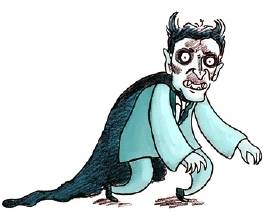
버스는 1인승이 아니다. 목적지를 향한 나의 비젼을 함께 할 수 있는 사람들을 버스에 태워야 한다. 이때 버스에 타지 않은 사람들을 더 태우려는 욕심에, 이미 버스에 탑승한 사람들의 긍정 에너지를 빨아먹는 에너지 뱀파이어를 태워서는 안 된다. 불평불만으로 가득 찬 에너지 벰파이어들은 긍정 에너지로 움직이는 에너지 버스 승객들까지도 부정적으로 만들 수 있기 때문이다.
만약 처음에 에너지 뱀파이어를 모르고 태웠다면, 당장에 내리도록 조치를 취해야 한다. 그리고 승객들이 버스에 타고 있는 동안, 그들을 매료시킬 열정과 긍정 에너지를 발산하여, 승객들을 사랑하고 함께 즐길 수 있도록 한다면, 우리는 성공적인 삶을 운전할 수 있을 것이다.

공자는 “근자열원자래(近者悅 遠者來), 즉 가까이 있는 사람들을 기쁘게 하면, 멀리 있는 사람도 찾아온다.”라고 했다. 긍정의 힘은 내 주변의 가까운 사람들, 직장 동료, 상사, 부하, 가족, 친지 등을 활기차고 기쁘게 한다. 그리고 그 에너지는 다시 다른 사람들에게 전달되어 더 많은 사람들을 끌어 당기게 한다.
그런 의미에서 긍정은 당기기 게임인 것 같다. 요즘 인간관계에서 밀고 당기기를 줄여서 ‘밀당’해야 한다고 얘기들 하는데 ‘밀’은 빼고 ‘당’만 해야겠다. 긍정은 밀지 않고 당기게 하는 일방통행로이다. 내가 먼저 긍정적으로 밀지 않고 당기면, 다른 사람들도 나를 더욱 당길 것이다.
———
There is a book called The Energy Bus that comes to mind when thinking about positive energy. The author, Jon Gordon, creates an interesting and highly beneficial parable through the character Joy, a bus driver, to convey the idea that we are the owners of our lives. Here’s a brief summary of the content:
On Monday morning, as if the world had conspired against him, the protagonist George is hit with one trouble after another: a flat tire on his car, the looming threat of losing his job if the new product launch fails, and to top it off, his wife, fed up with his neglect at home, gives him an ultimatum.
Left with no choice, George decides to take the bus to work instead of driving his punctured car. On the bus, he meets Joy, an interesting bus driver who shares groundbreaking ideas that turn his life around. Let’s quote what Joy says:
“You are the driver of your bus.”
“If you don’t take responsibility for your life and steer your bus as you wish, you’ll never get to the destination you desire. You’ll always find yourself tagging along on someone else’s journey. While there may be times when you need to ride on someone else’s bus, everyone ultimately has their own bus. The problem is, most people make one critical mistake: they forget that they need to decide where their bus is heading, what route it will take, and that they themselves must make these decisions.”
As mentioned earlier, people tend to blame their difficulties—whether at work or home—on others rather than acknowledging their own mistakes.
For example, the reasons why sales aren’t increasing, why family life is exhausting, why friendships are strained, why there are issues with the boss at work, or why promotions are missed are often attributed to external factors: company policies, the boss, the spouse, or friends. However, since you are the driver of your own bus, wouldn’t it be worth reflecting on the possibility that these difficulties are a result of how you’ve been driving?
Here’s an amusing adaptation of company mottos I came across online:
A company held a contest for employees to suggest a company motto. The motto that won the most votes was: “日職集愛 可高拾多 (Pour passion into your daily work, and you’ll gain both efficiency and rewards).”
However, management offered a counter-suggestion: “溢職加書 母何始愷 (With overflowing work and documents, how could your wife at home be happy)?”
When employees refused to back down, the company ultimately settled on this as the official motto:“河己失音 官頭登可 (Work diligently and silently like flowing water, and you’ll rise to the top).”
In truth, many salaried employees have a strong desire to finish their day’s work quickly and head home. But such feelings are not new. They seem to have existed long ago, even before recorded history. For example, The Art of War contains a similar observation:
“In the morning, a soldier’s spirit is sharp (朝氣銳),
In the afternoon, their spirit grows weary (晝氣惰),
By evening, all they think about is returning home (暮氣歸).”
Thus, Sun Tzu advised generals not to blame their soldiers but to foster morale so that they remain spirited even in the evening.
Before expecting leadership to solve these issues, however, individuals must reflect on themselves. If one’s focus is solely on returning home as soon as possible, work life inevitably becomes dull and joyless. Excluding the hours spent sleeping and eating, the workplace takes up the majority of one’s day—indeed, the majority of one’s life. How can one live a reluctant and passive life, wasting such a significant portion of it?
First, we must take the wheel of our lives and steer ourselves toward our goals with determination. Most importantly, we must fill our bus with the fuel of positive energy. Only then can we truly prepare for a new journey in life.
The bus isn’t meant for just one passenger. We need to invite people who share our vision to join us on our journey. However, in doing so, we must avoid inviting “energy vampires”—those who drain the positive energy of others. These negative passengers, filled with complaints and dissatisfaction, can dampen the positivity of even the most optimistic travelers.
If, by chance, you’ve already let an energy vampire aboard, take immediate steps to have them leave. While they’re on the bus, exude passion and positivity that captivates the passengers, so they feel loved and enjoy the journey with you. When this happens, you’ll be driving a successful life.
Confucius once said:
“近者悅 遠者來 (If you bring joy to those close to you, those far away will come as well).”
Positive energy enlivens and delights those around you—your colleagues, superiors, subordinates, family, and friends. This energy spreads to others, attracting even more people into your circle.
In that sense, positivity seems to be a game of attraction. These days, in human relationships, people talk about “push and pull” dynamics, but let’s leave out the “push” and focus only on the “pull.” Positivity is a one-way street where you draw others in without pushing them away. If you start by attracting others with positivity, they, in turn, will pull closer to you.