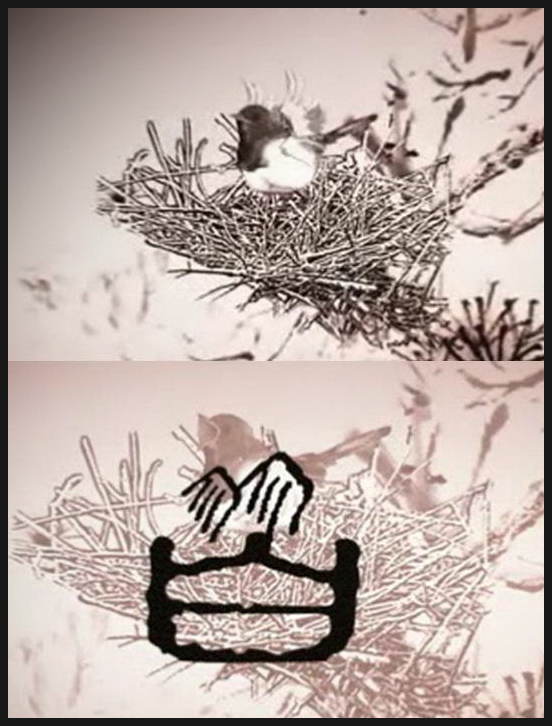
배운다는 것은 한자로 ‘학(學)’이라고 하고, 우리는 일반적으로 이 학(學)자 뒤에 항상 습(習)자를 붙여서 학습(學習)이라는 말을 한다. 그런데 지금 보니 이 습(習)자가 이미 우리에겐 익숙하다. 우리는 이미 습관(習慣)을 얘기할 때 어린 새의 끊임없는 날개 짓인 ‘습(習)’자를 배운 바가 있기 때문이다.
이렇듯 습(習)이 들어간 학습(學習)이란 단지 배우는 것에 그치는 것이 아니라, 지금 배운 것을 오랜 시간에 걸쳐 끊임없이 몸에 익히는 것, 즉 배움을 습관으로 만드는 것이라 할 수도 있겠다.
공자는 말했다. “학이시습지 불역열호(學而時習之 不亦悅乎), 배우고 때로 익히면 즐겁지 아니하겠는가?” 여기서 때로 익힌다는 의미는 때때로 가끔 익힌다는 말이 아니다. 배운 것이 때에 알맞게 수시로 자주 익혀야 한다는 말이다. 공자에겐 그렇게 늘상 새로운 걸 배우고 익히는 일이 참으로 즐겁고 기쁜 일이었을 것이다.
그러나 비단 공자 같은 현인이나 학자들뿐만 아니라 우리 같은 일반 사람들도 마찬가지다. 우리는 학습을 귀찮고 졸리운 일이 아니라 즐겁고 신나는 일로 받아들여야 한다. 그렇다고 금방 싫증 내서 놀다가 치워버리는 아이들의 장난감처럼 하다 안 하다를 반복해서는 안 된다.
학습은 100m 달리기처럼 즉각적인 성과를 가름하는 것이 아니라, 마라톤처럼 인생이라는 장거리 게임의 마지막을 함께 완주할 훌륭한 동반자이기 때문이다.
어린 시절 나의 큰 이모는 작은 만화방을 운영한 적이 있었다. 내가 초등학교에 들어가기도 전인 60~70년도는 유치원도 귀했었지만, 워낙 집이 가난해서 아버지와 함께 구멍가게를 하며 일을 하셨던 어머니는 나를 유치원에 보낼 형편도 아니었기 때문에, 매일 어린 나를 이 만화방 이모에게 맡겨 뒀었다.
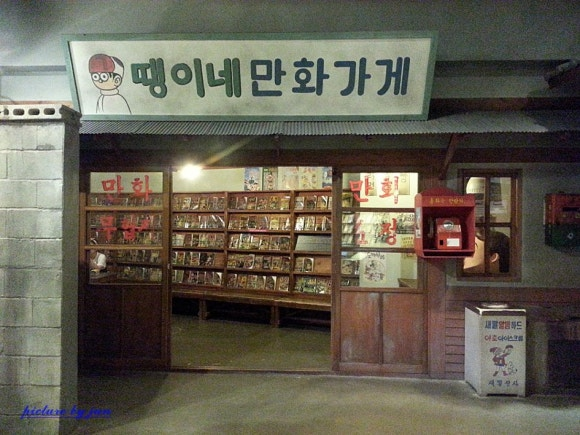
그러다 보니 어린 나이부터 그림책 보듯이 만화 보는 재미에 흠뻑 빠졌던 나는 초등학교를 들어가기도 전에 만화책을 보다가 어른들에게 조금씩 물어보면서 자동적으로 한글도 깨우치게 되었으니, 공자께서 말씀하신 세상에 배우는 즐거움을 막을 것이 뭐가 있겠냐는 말을 나는 이미 아주 어린 시절부터 실천하게 된 것이다.
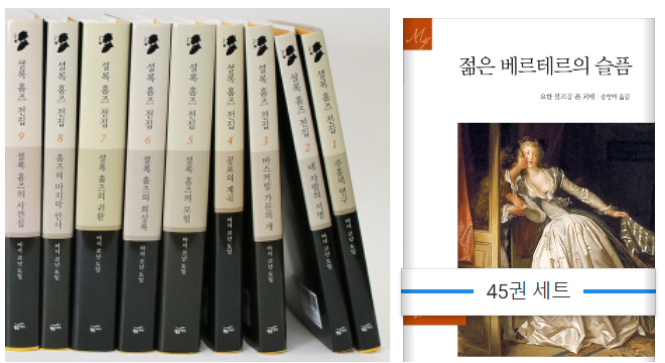
그렇게 만화책 읽기를 좋아했던 나는 커가면서 만화책이 세계 전래 동화집과 위인전이 되었고, 추리소설 셜록 홈즈와 아르센 루팡이 포와로와 미스 마플이 되었으며, 중고등학생 때는 데미안이 젊은 베르테르가 되어 폭풍의 언덕에서 보봐리 부인과 사랑을 하고 죄와 벌을 받아 바람과 함께 사라질 정도로 고전 문학에 심취하기도 했었다.
그렇다고 이젠 만화책을 안 본다는 것이 아니다. 지금도 만화책은 평생 내가 즐겨보는 가장 좋아하는 책이기도 하다. 중요한 건 어린 시절 만화책을 통해 책 읽기를 좋아하게 된 나는 지금까지 평생 책이 손을 떠나지 않을 정도로 책과 함께 살아왔다는 것이다.
바쁘고 힘들고 도저히 공부하러 어디를 다닐 시간이 없다면 이젠 책을 읽어보자. 책은 말없는 스승이요, 독서는 마음의 양식이란 말처럼 책 속에 길이 있다. “좋은 책을 읽는 것은 과거의 가장 뛰어난 사람들과 대화를 나누는 것과 같다”고 데카르트는 말하였으며, “내가 세계를 알게 된 것은 책에 의해서였다” 라고 사르트르는 말하였다.
책은 우리를 앞서 간 위대한 천재, 현인, 성인들의 생각과 경험과 사상이 담긴 유산과도 같은 것이다. 따라서 가장 쉽기도 하고 어쩌면 가장 어렵기도 한 배움의 방법이 책을 읽는 것일지도 모르겠다.
유명한 베스트셀러는 영화와 드라마로 만들어져 있어 요즘은 OTT에 접속해서 보기만 하면 쉽게 내용을 알 수 있고, 내가 좋아하는 만화책도 그림으로 많은 부분을 표현해서 책을 읽는 것보다 더욱 재미있다. 그리고 유명 저자들의 강연만 들으면 쉽게 그 책의 내용을 이해할 수도 있으며, 많은 사람들이 SNS를 통해 책 요약도 제공해 주는 세상이다. 그런데 왜 귀찮게 책을 읽어야만 할까?
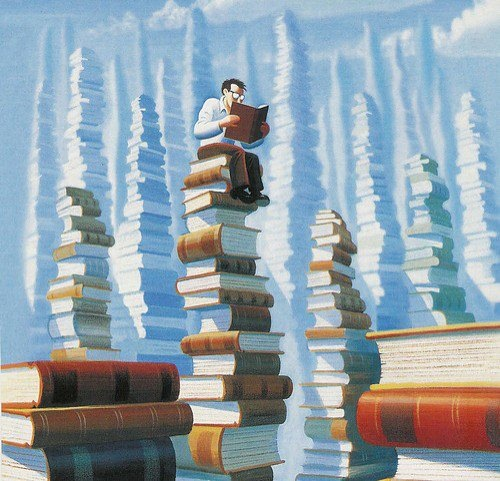
쇼펜하우어는 “독서란 자기의 머리가 남의 머리로 생각하는 일이다” 라고 말했다. 이처럼 글자로 인쇄된 책을 읽는다는 것은 나의 생각의 틀을 깨고 저자의 생각과 이야기를 다시 나의 것으로 받아들이는 과정이다. 이미 그려진 그림과 동영상을 아무 생각 없이 받아들이는 TV나 영화와는 달리, 글자를 통해 보이지 않는 그림을 머리 속에 창조해 내는 과정이다.
그러기 때문에 같은 내용이라도 읽는 사람마다 다른 그림을 그릴 수가 있으며, 한 사람이 같은 책을 읽더라도 읽을 때마다 다른 느낌으로 다가오게 된다. 책은 그래서 생각하는 습관을 만들어 주고 창의력을 키워주는 중요한 첫 단추가 될 것이다.
——————
The act of learning is represented by the Chinese character 學 (hak), and we often pair it with 習 (seup) to form the word 學習 (hak-seup), meaning “learning” or “studying.” The character 習 is already familiar to us—it appears in the word 習慣 (seup-gwan), meaning “habit,” and is derived from the image of a young bird repeatedly flapping its wings.
In this sense, 學習 (learning) is not just about acquiring new knowledge but about continuously reinforcing and internalizing what is learned over time. It is about turning learning into a habit.
Confucius once said, “Is it not a pleasure to learn and to practice what you have learned at the right time?” The phrase “to practice at the right time” does not mean to review occasionally or intermittently. Rather, it means that learning must be reinforced consistently and repeatedly. For Confucius, the process of continuously learning and mastering new things must have been a source of great joy.
But this is not only true for great philosophers or scholars. Even ordinary people like us should approach learning as something enjoyable and exciting, not as a tiresome or boring task. However, learning should not be treated like a child’s toy—something to be picked up and abandoned on a whim.
Learning is not like a 100-meter sprint, where success is determined by immediate results. Instead, it is like a marathon—a lifelong journey where learning serves as a reliable companion until the very end.
When I was a child, my aunt ran a small comic book rental shop. In the 1960s and 1970s, kindergartens were rare, and my family was too poor to afford one. My mother, who ran a small store with my father, had no choice but to leave me in my aunt’s care at the comic book shop.
As a result, I became deeply fascinated with comics from an early age, flipping through them like picture books. Even before I entered elementary school, I naturally learned to read Korean by looking at comic books and occasionally asking adults about the words. Just as Confucius suggested, nothing in the world can stand in the way of the joy of learning—I had already experienced this truth as a young child.
My love for comic books eventually led me to other books. As I grew older, my comics turned into collections of folktales and biographies of historical figures. My love for detective stories, from Sherlock Holmes and Arsène Lupin, evolved into Hercule Poirot and Miss Marple. In middle and high school, my reading list expanded to include Demian, The Sorrows of Young Werther, and classics like Wuthering Heights, Madame Bovary, Crime and Punishment, and Gone with the Wind.
That doesn’t mean I have stopped reading comics—I still love them. The key point is that my early exposure to comic books helped me develop a lifelong love for reading. Books have always been a part of my life, never leaving my side.
If life is too busy and exhausting to attend classes or formal education, then we should turn to books. Books are silent teachers, and reading is nourishment for the mind. As the saying goes, “The path lies within books.” Descartes once said, “Reading good books is like having a conversation with the greatest minds of the past,” while Sartre stated, “I came to understand the world through books.”
Books contain the thoughts, experiences, and philosophies of the great geniuses, sages, and intellectuals who came before us. That is why reading may be the easiest—and yet the most challenging—way to learn.
Today, best-selling books are often adapted into movies and TV dramas, available for easy viewing on streaming platforms. Comics vividly illustrate their stories, making them more engaging than text. We can also grasp the essence of a book by simply listening to a lecture by the author or reading book summaries on social media. So, why bother reading books?
Schopenhauer once said, “Reading means allowing another person’s mind to think for you.” Reading a book means breaking free from your own thoughts and embracing the ideas and perspectives of the author. Unlike movies and television, which present pre-visualized images for passive consumption, reading forces you to create mental images in your own mind.
Because of this, even if multiple people read the same book, each person will visualize and interpret it differently. Even when rereading the same book, one can experience it in a completely new way each time. Reading develops the habit of thinking and serves as the first essential step in cultivating creativity.