마치 인맥관리를 위해 새롭고 다양한 많은 사람을 만나면서도 오랜 친구들을 여전히 만나는 것처럼, 한번 읽고 마는 책이 아니라 두고두고 여러 번 반복해서 읽어야 하는 질적인 측면이 중요한 책들도 있다.
읽을 때마다 새로운 위안과 지혜를 주는 책은 최근 봇물처럼 쏟아져 나오는 수많은 자기계발 서적들과는 다른 깊은 깨우침을 준다. 따라서 새로운 서적들을 읽으면서도, 이런 책들은 두고두고 함께 또 읽어 주면 좋을 것이다.
30년 지기 친구를 수 년 만에 만나도 바로 어제 만난 것처럼 변함없는 것 같이, 좋은 책은 좋은 친구와 같다. 처음 책을 읽을 때에는 한 사람의 친구와 알게 되고, 같은 책을 두 번째 읽을 때에는 옛 친구를 만나는 것 같다는 중국속담처럼, 친하고(親) 오래된(舊) 친구처럼 시대를 관통하여 여전히 우리의 삶을 조망해주는 고전이나 인문서들은 항상 가까이하고 오랫동안 만나는 친구가 되어야 할 것이다.

하지만 마크 트웨인이 ‘고전이란 누구나 읽은 것으로 자부하려 들지만, 실은 누구나 읽고 싶어하지 않는다’고 말한 것처럼, 학창시절 이후 고전을 다시 읽는다는 일은 강한 의지와 의도적인 노력이 있지 않으면 그리 쉽지 않은 일일 것이다. 그렇듯 고전은 선뜻 읽기가 어렵기도 하며, 읽으면서도 마음에 깊이 새기기가 쉽지가 않다.
그런 의미에서 우리에게 주자학으로 유명한 주자(주희)가 말한 “독서삼도(讀書三到)”에 주목해 보자. 주자는 책을 읽는 세가지 방법에 대해 눈으로 보고(안도, 眼到), 입으로 소리 내어 읽고(구도, 口到), 마음으로 얻는 것(심도 心到)이라 말했으며, 이 중에서 제일 중요한 것은 심도라고 말했다.
책을 그저 눈으로 읽고 마는 것은 어쩌면 한 순간 스쳐 지나가는 별똥별처럼, 인터넷에서 얻은 인스턴트 정보처럼 마음 속에 남지 못하고 반짝 뇌를 스쳐 지나 갈지도 모른다.

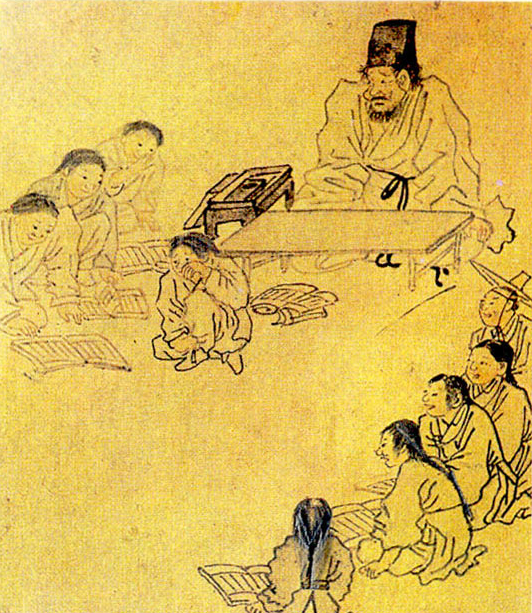
그래서 사극 드라마를 봐도 과거 선비들은 항상 공자왈 맹자왈 소리 내어 읽으며, 어린 시절부터 선생님은 그렇게 지겹도록 독후감을 쓰라고 하셨나 보다.
선생님이 책 읽으라고 해서 읽었으면 됐지, 왜 귀찮게 독후감까지 써서 제출해야 하는지 그때는 잘 몰랐었다. 하지만 지금 와서 돌이켜 보면 독후감을 쓴다는 일은 주자가 말한 것처럼 내 마음 속에 책의 내용을 심어 넣는 심도의 과정이었던 것이다.
사실 내가 가진 가장 나쁜 버릇 중의 하나가 메모를 하지 않는 것이다. 팀장 시절에는 일도 하나에 집중되었고, 나름 기억력도 좋은 편이라 버틸 수 있었지만, 2009년부터 임원이 된 후엔 다양하고 많은 일들이 동시에 벌어지게 되자 놓치는 경우가 점점 더 발생하게 되었다.
그후부터 나도 매사 메모를 하는 습관을 들이기 시작했다. 특히 스마트폰이 생기면서 일정표에는 업무가, 노트에는 그때그때 나의 생각이 기록되기 시작했다. 지금도 과거 내가 여행했던 이야기를 블로그로 올리거나, 여러 권의 책을 쓰게 된 원동력은 바로 이 기록들 때문이다.
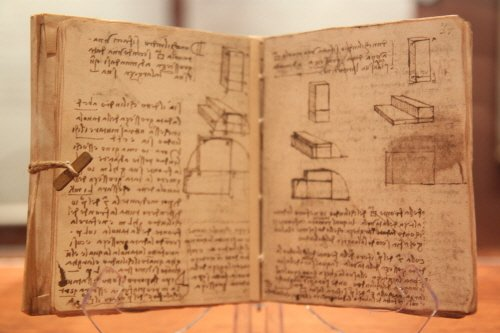
천재라 불린 레오나르도 다빈치도 항상 수 을 가지고 다니며, 30년 동안 수천 자의 메모를 통해 미술, 문학, 과학의 원리를 꼼꼼히 정리하였다. 그가 세상을 놀라게 한 수많은 창의적인 아이디어와 작품들도 바로 다빈치 수첩의 메모에서 비롯된 것이다.
천재인 그조차 수첩에 메모를 하는 습관이 있었는데, 어떻게 일반인 우리가 모든 걸 다 기억할 수 있다고 자부할 수 있을까?
나는 특히 혼자 산보나 조깅을 할 때면 기억 저편에 숨어있던 많은 생각들이 툭툭 튀어나오는 경우가 많았다. 그럴 때마다 나는 걸으면서 스마트폰을 꺼내 얼른 주요 제목을 메모하고, 집에 와서 다시 관련 서적이나 정보를 찾은 다음 노트북에 글을 정리했다.
그것이 모이고 하나의 스토리로 연결되어 지금 쓰고 있는 글이 되고 책이 되었으며, 회사에서는 하나의 전략적 의사결정의 중요한 발단이 되기도 했다. 지식은 기억하여 생기는 것이 아니라, 내용을 기록하는 과정에서 생기는 것이다. 항상 메모하는 습관은 배움에 근간이 되는 원칙이다.
————–
Just as people meet new and diverse individuals to expand their social networks while still maintaining connections with old friends, there are books that should not be read just once and forgotten but rather revisited repeatedly for deeper understanding. Books that provide new comfort and wisdom with each reading offer profound enlightenment, unlike the countless self-help books that flood the market today. While exploring new books, it is beneficial to revisit such timeless works from time to time.
A good book is like a good friend. Just as meeting a friend of 30 years after a long time feels as if no time has passed, a great book remains constant through time. An old Chinese proverb states, “When you read a book for the first time, you make a new friend; when you read it for a second time, it is like meeting an old friend.” Classic literature and philosophical works that continue to offer insights across generations should be treasured as lifelong companions.
However, as Mark Twain famously said, “A classic is something that everybody wants to have read but nobody wants to read.” Beyond school years, revisiting classic literature often requires strong willpower and deliberate effort. Classics can be difficult to approach, and even when read, their deeper meanings may not be easily absorbed.
In this regard, we should pay attention to the concept of “he Three Ways of Reading (讀書三到)” introduced by Zhu Xi, the renowned Confucian scholar. He emphasized three essential ways to read a book: reading with the eyes (眼到), reading aloud with the mouth (口到), and internalizing the content with the heart (心到). Among these, he considered internalization the most crucial.
Simply reading a book with the eyes alone may cause the content to pass through the mind like a fleeting shooting star—just another piece of instant information that quickly fades away, much like knowledge gained from the internet.
Perhaps this is why scholars in historical dramas are often depicted loudly reciting Confucius’ and Mencius’ teachings. It also explains why teachers in school used to make students write book reports tirelessly. At the time, it seemed frustrating—wasn’t reading the book itself enough? But in hindsight, writing book reports was actually a process of internalizing knowledge, just as Zhu Xi described it.
One of my worst habits has been neglecting to take notes. As a team leader, I had a singular focus on my work and a relatively good memory, which allowed me to get by without note-taking. However, after becoming an executive in 2009, I found myself juggling multiple responsibilities, leading to an increasing number of overlooked details.
Since then, I have cultivated the habit of taking notes. With the advent of smartphones, my calendar became a repository for my tasks, while my notebooks captured my thoughts in real time. The stories I have shared on my blog, the books I have authored, and the insights I have gained all stem from this practice of diligent record-keeping.
Even Leonardo da Vinci, a genius by all accounts, carried a notebook with him at all times, meticulously recording thousands of notes over 30 years, spanning art, literature, and scientific principles. The countless groundbreaking ideas and masterpieces that astonished the world originated from his meticulous note-taking.
If a genius like da Vinci relied on taking notes, how can ordinary people like us assume we can remember everything without writing it down?
For me, many of my best ideas emerge while walking or jogging alone, as if they had been hidden deep in my subconscious. Whenever inspiration strikes, I immediately take out my smartphone to jot down key points. Once home, I revisit related books and resources to organize my thoughts on my laptop.
These accumulated notes eventually form a coherent story, turning into the very writing I produce today. In a corporate setting, they have even contributed to critical strategic decisions. Knowledge is not merely a product of memory—it is forged in the process of recording and organizing thoughts. The habit of note-taking is the foundation of lifelong learning.