

경험이 모두 나쁘다는 것은 아니다. 아니 매우 소중한 자산이다. 경험은 오래된 사람만이 가질 수 있는 통찰력과 지혜를 준다. 문제는 거기에만 의존할 경우라는 것이다. 과거의 경험에만 의존하면 점점 말의 신뢰성이 떨어지게 된다. 게으른 뇌는 더 이상 생각을 하지 않으려고 하고 뉴런은 점점 상호 간의 연결점을 잃고 퇴화해 간다.
그만큼 사람도 쓸모 없는 사람으로 전락하는 것이다. 따라서 앞서 말했듯이 다양한 학습과 경험을 통해 뇌를 계속 자극을 주는 한편 끊임없이 변하고 새로워져야 하는 것도 바로 이런 이유이다.
그럼 내가 아닌 상대방의 입장에서 경험에만 의존하는 사람의 경우를 한번 살펴보겠다. 만약 직장상사가 한 때의 경험만 주장하며, 맨날 “나 때는 말이야” 하며 시키는 대로 하라고만 말하는 상사의 말을 부하직원들이 과연 얼마나 따를 수 있을까?
소비자라면 최근 소비자의 의견이 반영되지 않고, 과거 경험에 의해 만들어진 신제품을 과연 좋다고 구입할 수 있을까? 게으른 뇌가 잘못 판단하는 위험에 무조건 따른다면 분명 큰 낭패를 당할 것이다.
여기 재미있는 테스트가 하나 있다. 아래의 글을 일단 한번 빠르게 잃어보기 바란다.
“캠릿브지대학의 연결구과에 따르면, 한 단어 안에서 글자가 어떤 순서로 배되열어 있는가 하것는은 중요하지 않고, 첫째번와 마지막 글자가 올바른 위치에 있것는이 중하요다고 한다. 나머지 글들자은 완전히 엉진망창의 순서로 되어 있지을라도 당신은 아무 문없제이 이것을 읽을 수 있다. 왜하냐면 인간의 두뇌는 모든 글자를 하나하나 읽것는이 아니라 단어 하나를 전체로 인하식기 때이문다.”
다 읽으셨다면, 다시 한번 한자한자 또박또박 읽어보기 바란다. 순간 매우 놀랄 것이다. 윗글에는 자그마치 15개의 오타가 있지만, 읽는데 전혀 문제가 없다.
게으른 뇌가 또박또박 한 글자씩 인지하지 않고, 경험에 의해 단어를 전체적으로 인지하기 때문이다. 물론 그래서 편한 것도 있지만, 때론 이런 방식이 중요한 의사결정에 리스크로 작용할 수도 있다.
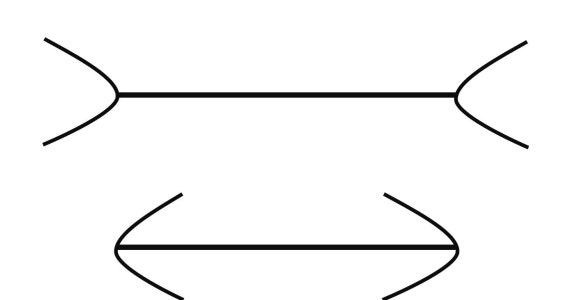
우리가 잘 아는 착시현상 또한 뇌가 일으키는 잘못된 판단이다. 가장 쉬운 착시현상의 예로 원근법에 의한 착시를 들 수 있다.
<가로 선은 같은 길이이지만, 착시로 인하여 아래의 것이 더 작아 보인다.>

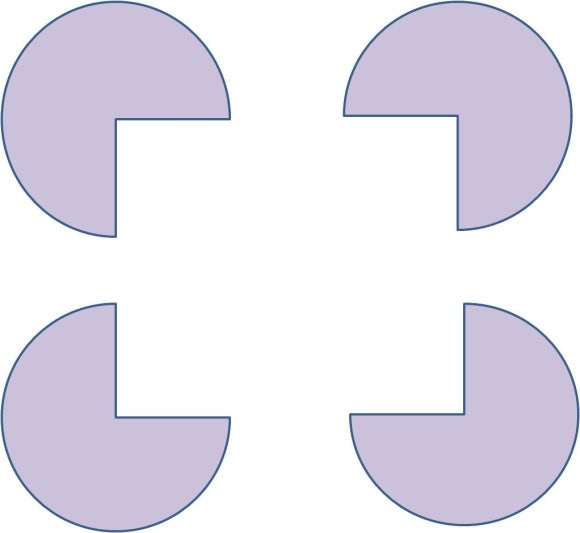
<가운데 사각형이 없지만 있는 것처럼 보인다>

우리는 원근법에 따라 먼 곳에 있는 것이 더 작게 보인다는 것을 너무도 당연히 잘 안다. 바로 뇌가 원근법을 인지하고 있기 때문이다. 따라서 그림을 그릴 때는 멀리 있는 사물은 점점 더 작게 그림으로써 현실감 있고 입체감 있는 표현을 하는 것이 일반적이다.

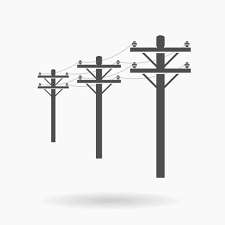
그럼 반대로 똑 같은 길이의 전봇대 여러 개를 나열해서 먼저 그리고, 나중에 멀어져 가는 길을 표현한다면 어떻게 될 것인가?
길이 없었을 때는 같은 크기와 같은 길이의 전봇대들이었지만, 그 전봇대들을 따라 길이 생기자 멀리 있는 것이 점점 작아지지 않고 같은 모양으로 있으니 상대적으로 더 크게 보일 것이다. 사실은 같은 크기인데 원근법이라는 인지능력이 사실을 왜곡해 더 크게 보이게 하는 것이다.
뇌는 조금만 방심하면 경험과 습관에 의존해서 대충 인지하고 판단하려는 경향이 있다. 우리의 뇌를 너무 쉽게 믿지 말아야 한다.
그래서 우리는 어떤 중요한 의사결정을 할 때, 반드시 경험과 함께 사실 중심적인 객관적이고 논리적인 근거를 보완해야 잘못된 뇌의 판단의 오류를 조금이라도 줄일 수 있다. 논리적 마인드가 반드시 필요한 이유이다.
————————
Experience is not inherently negative. In fact, it is a highly valuable asset. It offers insight and wisdom that only those with time and exposure can possess. The problem arises when one relies solely on it. Depending exclusively on past experiences gradually diminishes the credibility of one’s words. A lazy brain stops trying to think critically, neurons lose their interconnectivity, and begin to deteriorate.
As a result, a person may become increasingly useless. This is why, as mentioned earlier, the brain must be continuously stimulated through diverse learning and new experiences, and one must constantly evolve and renew.
Let’s consider the case from the perspective of someone who relies solely on experience. If a manager insists on doing things based on past experience and constantly says, “Back in my day…” while giving orders, how likely is it that subordinates will genuinely follow such a leader?
For consumers, if a new product is created based solely on past experience without reflecting recent consumer feedback, how likely are they to make a purchase? Blindly following the misjudgment of a lazy brain can lead to major setbacks.
Here is an interesting test. Try reading the following sentence quickly:
“According to a research at Cmabrigde Uinervtisy, it deosn’t mttaer in waht oredr the ltteers in a wrod are, the olny iprmoetnt tihng is taht the frist and lsat ltteer be at the rghit pclae. The rset can be a toatl mses and you can sitll raed it wouthit a porbelm. Tihs is bcuseae the huamn mnid deos not raed ervey lteter by istlef, but the wrod as a wlohe.”
Now try reading it slowly, letter by letter. You might be surprised. Despite 15 clear misspellings, the sentence is perfectly readable. This is because the lazy brain does not recognize each letter individually but instead perceives the word as a whole based on experience. While this might be convenient, it can also become a risk in important decision-making processes.
Visual illusions, too, are misjudgments caused by the brain. One of the simplest examples is illusion by perspective.
<Horizontal lines appear to differ in length due to visual illusion, making the lower one seem shorter.>
<A central square appears to exist even though it doesn’t.>
We inherently understand that objects farther away appear smaller—this is due to the brain’s perception of perspective. This is why in drawing, distant objects are depicted smaller to create a sense of realism and depth.
Now, what would happen if identical utility poles were drawn first, followed by a road that recedes into the distance?
When the road isn’t drawn, the poles appear to be of the same size and length. But once the road is added, because the poles don’t decrease in size with distance, they appear larger the further they are placed. In reality, they are all the same size, but the perception of perspective distorts this fact, making them seem larger.
The brain tends to rely on experience and habit to make quick, rough judgments when not actively engaged. Therefore, we should not trust our brain too easily.
This is why, in making important decisions, we must supplement experience with fact-based, objective, and logical reasoning to minimize errors in judgment. A logical mindset is essential.