

나의 장인께서는 문을 짜시는 목수셨다. 신혼시절 처갓집에 가면 듣지도 못해봤던 나무이름과 공구 및 용어들이 마냥 신기하고 재미있었던 적도 있었다. 그 중 나의 주의를 끌었던 말이 문을 짜려면 먼저 왁꾸부터 잘 만들어야 하다는 것이었다.
이 왁꾸라는 말은 일본어라서 이제부터는 우리말인 ‘문틀’이라는 단어를 사용하겠다. 나중에 알게 된 문 만드는 과정을 보면, 먼저 싸구려 각목으로 문틀을 맞추고 나서, 그 문틀에 맞게 고급 원목의 문을 만드는 작업을 하기 때문에, 문틀을 벽에 딱 알맞게 짜지 못하면 나중에 만든 고급 문이 맞지가 않아 결국 비싼 문을 폐기하고 다시 만들어야 한다는 것이었다.

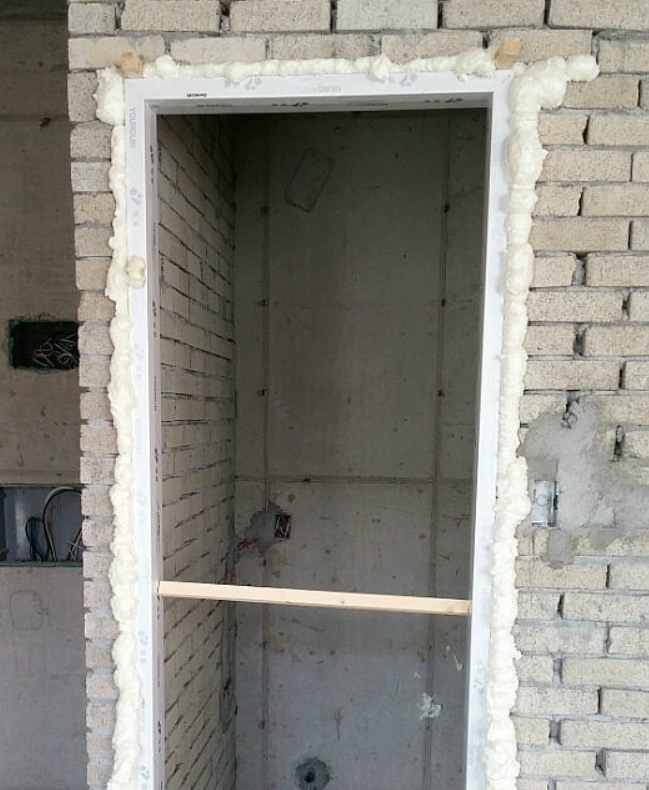
당시 LG전자 영업사원이었던 나는 이것이 바로 대리점들의 문제였구나 하고 어떤 깨달음을 느꼈다. 그 후 지금도 내가 영업직원들에게 자주하는 말 중의 하나인 영업에서의 ‘문틀의 법칙’이라는 말이 탄생하게 되었다.
일반적으로 영업하는 사람들 특히 사업자(대리점 사장)들은 자신의 매출의 한계를 이런저런 비용이나 세금문제 및 시장환경 등의 사정으로 한계를 지어놓는다. 그래서 A대리점은 월 3천만원, B대리점은 5천만원, C대리점은 8천만원… 항상 비슷한 수준에서 머물고 더 이상 크게 늘어나지가 않는 현상이 발생한다.
그들은 스스로 그 틀을 벗어나지 못한다. 아니 어쩌면 잠재의식 속에서 스스로 벗어나고 싶지 않은지도 모르겠다. 그러면서도 항상 장사하기 어렵다고 아쉬운 소리만 하는 것이다. 그들 스스로 이미 얼마짜리 문틀을 짜놨고, 거기에 맞추어진 문은 더 이상 넓어지지 못하는 것임을 잘 모르고 하는 말이다.
나는 대리점 사장들의 마음 속 문틀을 깨부수고 더 크게 만들어야만, 거기에 맞는 문을 더 크게 만들 수 있다는 것을 알게 되었다. 그러자 바로 내가 담당했던 대리점 문틀의 규모부터 다시 설계하기 시작했다.
각 대리점이 맡고 있는 지역의 가구수는 얼마나 되고, 소득 수준은 얼마인지를 파악하고 판매 잠재력이 어느 정도인지를 분석하여, 대리점 당 현재 매출 수준과 미래 잠재수준을 비교해서 매출목표를 다시 잡았다. 이는 회사에서 부여한 매출목표보다 월등히 큰 수치였다.
하지만 대리점 사장들은 자신이 과연 이렇게 많은 매출을 할 수 있겠냐고 오히려 말도 안 된다는 듯이 말하였다. 하지만 나는 진지하게 그 이유를 설명해주며 할 수 있는 방안을 함께 의논하면서 대안을 제시하였다. 그러자 가장 큰 걸림돌로 개인종합소득세 문제가 대두되었다. 매입이 너무 많이 늘어서 과표가 늘면 누진세가 적용되어 엄청난 세금폭탄을 받을 것이라고 했다.
그렇다면 어떻게 수억 대의 매출을 올리는 대형 대리점은 유지될 수 있겠는가? 나는 당시 선배들이 맡고 있던 대형 대리점들은 모두 주식회사 법인으로 운영되고 있다는 점을 알게 되었다. 법인은 매출과 상관없이 순이익에 대한 세금을 정산하므로, 개인 사업자처럼 과표에 대한 세금부담은 없기 때문이다.
그리하여 나는 간신히 개인 대리점 사장들을 설득하여 모두 법인으로 바꾸는 작업을 했다. 대리점 사장들은 서류만 준비하게 하고, 대신 내가 여러 관공서를 돌아다니며 직접 다 처리해 주는 고단한 작업을 해야만 했다. 그렇게 그들의 문틀의 한계를 깨고 법인으로 전환하는 등의 무지막지한 고생 끝에 결국 나는 담당 대리점 매출을 20~30% 정도의 성장이 아닌, 두 세배의 규모로 비약적인 성장을 만들어 낼 수 있었다.
기존의 문틀을 깨서 더 큰 문틀을 만들어야 문을 크게 만들 수 있고, 큰 문을 열어야 더 큰 성과를 얻을 수 있다. 먼저 마음 속 문틀부터 깨어 버려야 한다.


———
My father-in-law was a carpenter who specialized in making doors. When I visited my in-laws in the early days of marriage, I found the unfamiliar names of different types of wood, tools, and terms both fascinating and entertaining. One phrase in particular caught my attention: to build a door, one must first make a solid “wakku”—a Japanese term, which I will now replace with the Korean word “door frame” (문틀).
Later I learned that in the process of making a door, one begins by constructing a frame using cheap lumber, then crafts a high-quality wooden door to fit that frame. If the frame is not built precisely to fit the wall, the premium door made to fit that frame will not fit properly, and the expensive door ends up being discarded and rebuilt.
At the time, I was a sales representative at LG Electronics, and I had a moment of clarity: this was the exact issue with many dealerships. From this insight emerged what I often tell salespeople today—the “Law of the Door Frame” in sales.
Generally, those in sales, especially dealership owners, impose limits on their revenue potential due to various factors such as costs, taxes, and market conditions. As a result, Dealership A stays at 30 million KRW per month, Dealership B at 50 million, and Dealership C at 80 million.
Their revenue remains stagnant within a similar range. They can’t break out of the mold they themselves have created—or perhaps, subconsciously, they don’t want to. Yet they still complain about how tough business is, unaware that they’ve already set the size of their door frame, and that the door built to fit it cannot grow any larger.
I realized that only by breaking and expanding the mental door frames of dealership owners could they build larger doors and achieve greater success. I began by redesigning the scope of each dealership’s frame. I analyzed the number of households in their respective areas, income levels, and sales potential. Then I recalibrated their sales goals by comparing current performance with future potential—setting targets far beyond the ones provided by the company.
Naturally, dealership owners questioned whether it was even possible to achieve such high sales. But I seriously explained the rationale behind it and discussed actionable strategies to meet these targets. The biggest concern that surfaced was the issue of personal comprehensive income tax. They feared that a surge in purchases would raise their tax base and subject them to severe progressive tax rates.
So how were the large-scale dealerships generating billions in sales surviving? I discovered that the major dealerships run by my senior colleagues were all incorporated as limited companies. Corporations are taxed on net income, not gross revenue, which means they aren’t burdened by the same tax issues as sole proprietors.
I then undertook the difficult task of persuading individual dealership owners to convert to corporate structures. I had them prepare only the necessary documents, while I personally visited the various government offices and handled all the administrative work. After this grueling process of breaking through their limitations and helping them incorporate, I was able to achieve not just a 20–30% increase in sales, but exponential growth—doubling or even tripling their revenue.
To build a bigger door, you must first break the old frame and construct a larger one. Only by opening a bigger door can you achieve greater results. It all begins with breaking the mental frame.