

매일 가게 앞에 어떤 사람이 자전거를 세워 두는데, 이게 영 눈에 거슬리고 손님이 오가는데도 방해가 되어 주인이 이를 막으려고 한다고 가정해 보자.
주인은 이 자전거를 여기에 못 세우게 하려고 지키고 서있기도 했는데도, 밤 늦게 문을 닫고 아침에 깨어 보면 어느새 누군가 어김없이 세워 두는 것이 아닌가?
그래서 급기야는 남들 다하듯이 ‘자전거 주차금지! 자전거 분실 시 책임 안 짐!’ 등의 문구를 벽에다 붙여놨는데도, 아랑곳 없다는 듯이 자전거는 늘 한결같이 그 곳에 서있었다.
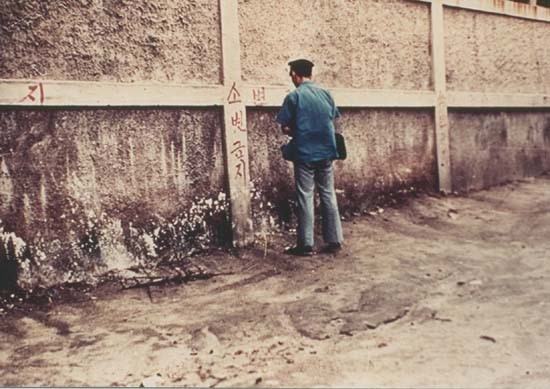
마치 어느 집 벽에 소변금지와 큰 가위를 그려 놓으면, 지나던 사람들이 오히려 더 그곳에 소변을 보는 것과 같은 이치일 것이다.

그렇다고 화가 나서 때려 부수면 나중에 더 큰 사단이 날 것 같아 이러지도 못하고 저러지도 못하게 된 주인은 과연 어찌해야 될까?
관점을 다르게 생각해 보면 쉽게 답이 나온다. 자전거 주차금지라는 표현이 가게 주인의 관점으로서 큰 효과가 없었다면, 이제 관점을 자전거 주인으로 전환해 보자.
자전거 주인은 이 자전거가 없어지는 것이 가장 큰 불안 요소라서 아마도 매일 문을 여는 가게 앞에 세워 놓았을 것이다. 가게 주인은 알게 모르게 그 자전거를 보관해주고 있는 꼴이 되고 만 것이다.
따라서 자전거 주인의 입장에서 생각해보면 이 자전거가 도난당하는게 가장 큰 위협요소일 것이다. 그렇다면 이렇게 써붙이면 어떨까?
여기 자전거는 주인없는 것입니다. 아무나 공짜로 가져 가세요!’
자전거 주인은 자전거가 없어질까 봐, 다시는 그 앞에 자전거를 보관하지 않을 것이다.
사람들은 모든 관점을 나부터 생각한다. 그러나 상대방의 입장에서 바라본다면, 꽤 괜찮은 아이디어들이 많이 나올 수 있다. 사람의 타고난 천성이 이기적인 측면이 강하기 때문에 쉽지 않은 일일 것이지만, 때론 관점을 돌려보면 내가 그동안 보지 못했던 생각의 길이 열릴 수도 있을 것이다.
——————–
Suppose there’s a person who parks a bicycle in front of a store every day. The store owner finds it bothersome, as it obstructs the flow of customers and disrupts the storefront. The owner tries to prevent it by standing guard in front of the store, but every morning after closing up late at night, the bicycle is inevitably parked there again.
Eventually, the owner resorts to posting a sign on the wall like everyone else: “No Bicycle Parking! Not Responsible for Lost or Stolen Bicycles!”—but the bicycle continues to appear there as if nothing had changed.
This is much like when someone paints a “No Urinating” sign with a large pair of scissors on the wall of a building, only to find that people actually urinate there more often. The warning ends up backfiring.
The owner can’t destroy or damage the bicycle out of anger, fearing bigger consequences later, and becomes stuck in a dilemma—unable to act, yet unwilling to tolerate it.
If the owner shifts perspective, however, the answer becomes clear. If a sign written from the store owner’s perspective has no effect, it’s time to reframe the message from the bicycle owner’s point of view.
The most likely reason the bicycle is always parked in front of the store is because the owner is afraid it will be stolen. The store, unintentionally, has become a kind of unofficial bicycle storage facility—providing security just by being open and visible.
From the bicycle owner’s perspective, theft is the biggest concern. So what if the store owner posted this message instead?
“This bicycle is unclaimed. Feel free to take it—it’s free!”
Fearing the potential loss of the bicycle, the owner would no longer park it there.
People tend to view things from their own perspective first. But when you consider things from the other person’s point of view, surprisingly good ideas can emerge. Because human nature is fundamentally self-centered, this isn’t always easy—but by shifting perspectives, it’s possible to discover new paths of thought that were previously invisible.