

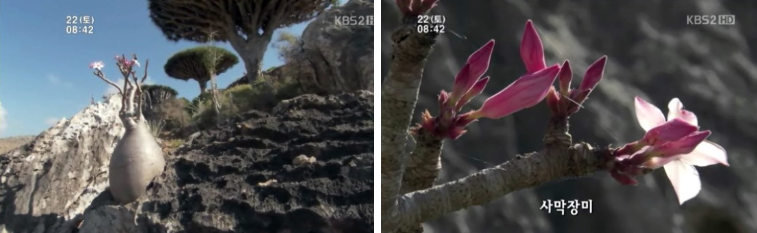
과거 내가 사업자들을 상대로 “식물의 생존경영”을 강의 한 적이 있다. 아무리 척박한 환경에서도 식물은 반드시 이 땅에서 살아남고 있으며, 식물은 이 지구상에서 가장 많은 종과 수로 지구의 대부분을 점령하고 있는 가장 위대한 생명체라 할 수 있다. 그 중 나는 한 자연 다큐멘터리 프로그램에서 봤던 사막장미에 감동을 받은 바가 있어, 생존과 변화라는 주제로 강의할 때 많이 활용하였다.
“사막장미!”
이름도 생소한 이 장미는 말 그대로 식물이 살아가기 가장 힘든 조건인 물이 부족하고 강한 태양이 작렬하는 사막에서 자라는 장미다. 어떤 운명으로 척박한 이곳, 사막에서 자라게 되었는지 모르겠지만, 어쨌든 사막장미는 지금 생존해 있다.
그런데 놀라운 것은 사막장미가 수분의 손실을 막기 위해 불필요한 잎사귀를 버리고 앙상한 가지 위에 꽃만 피우며, 수분을 충분히 저장할 수 있는 항아리 모양의 굵은 줄기를 채택했다는 것이다. 또한 물을 찾아 땅 속 깊이 파고 들어간 강한 뿌리와 항아리 모양의 굵은 줄기는 바위마저 뚫고 자랄 만큼 튼튼하다. 이런 포기하지 않는 끈질긴 생명력은 사막장미를 환경에 맞게 변화시켰고 결국 다른 식물들이 말라 죽어갈 때 끝까지 남아 생존할 수 있도록 하였다.
사막장미는 척박한 사막에서 절박하였다. 그래서 몸을 이상하게 바꿔서라도 환경을 극복하고 반드시 꽃을 피워야만 했다. 왜냐하면 꽃을 피워야 씨를 뿌릴 수가 있고, 씨를 뿌리는 것만이 사막장미가 영원한 삶을 영속할 수 있는 방법이기 때문이다. 이런 위대한 자연의 승리는 언제나 생존에 대한 끈질김의 승리이기 때문에, 우리 인간에게도 감동과 함께 큰 가르침을 준다. 그리고 사막장미의 생존 방식은 끈질기게 포기하지 않고 살아가기 위해서는 반드시 변화해야 하며, 변화하려면 먼저 불필요한 것을 비워야만 한다는 교훈을 우리에게 주고 있다.
짐 콜린스는 “좋은 기업을 넘어 위대한 기업으로(Good to Great)”에서 이와 일맥상통하는 말을 하였다.
“모든 것을 잘한다는 것은 애초부터 불가능하다. 그리고 전략적으로 무엇을 선택한다는 것은 무언가를 버리는 것과 같은 의미다. 위대한 기업이 되기 위해서는 해야 할 목록보다 버려야 할 목록이 훨씬 더 중요하다.”
비좁은 방을 평상시 제대로 정리정돈 하지 못하는 사람이 하루는 날을 잡아 대청소를 하려고 한다면, 가장 먼저 해야 할 일이 무엇이겠는가? 먼저 집안에 쌓여 있는 잡동사니부터 다 들어내고 깨끗이 청소한 후에, 버릴 것은 버리고 필요한 것만 다시 재배치해야 할 것이다.
사막장미가 불필요한 잎사귀를 버릴 줄 알았기 때문에 수분을 비축할 수 있었고, 또한 비축 가능한 수분이 생겼기에 저장하기 위한 항아리 같은 굵은 줄기를 만들 수 있었던 것처럼, 사람이나 조직도 뭔가 새로운 혁신이나 변화를 하기 위해서는 먼저 낡고 불필요한 것을 버리는 것부터 시작해야 한다. 먼저 비워야만 다시 채울 수가 있기 때문이다.
사막장미의 생존법은 우리에게 업무의 단순화/효율화를 통해 핵심역량에 집중함으로써, 업무의 가치를 향상시켜야 한다고 말하고 있다. 즉, 우리는 무엇보다도 먼저 불필요한 비용이나 목적 없는 시간과 노력의 낭비와 같은 금전적 업무적인 잘못된 관행뿐만 아니라, 잘못된 습관, 고정관념, 비난과 불평, 남의 탓과 같은 잘못된 사고와 태도 등은 모두 비워 버려야 한다. 그리고 나서야 비로서 진정한 고객 마인드를 품에 안고, 새로운 지식과 정보를 습득하여, 업무에 대한 문제의식과 긍정적 태도로 목표를 향해 나아갈 수 있게 될 것이다.
그리고 또 하나 잊지 말아야 할 것은 절대 포기하지 말아야 한다는 것이다. 사막장미가 오랜 시간에 걸쳐 환경에 적응하고 변화할 수 있었던 것은 끈질긴 생명력이 바탕에 있었기 때문이다. 우리는 누구나 새로운 아이디어나 마음가짐을 가지고 시작은 거창하고 멋드러지게 잘하지만, 대부분 마무리는 흐지부지해지는 경향이 있다. 성경에서 나오는 말처럼 “시작은 미약하였으나, 끝은 창대하리라”가 맞는 답이다. 작은 첫걸음이 마지막에는 더 큰 도약대가 되기 위해서는 포기하지 않는 끈질김의 경쟁력을 쌓아야 할 것이다.

————-
I once gave a lecture to entrepreneurs titled “The Survival Management of Plants.” No matter how harsh the environment, plants manage to survive on this Earth, and they are the most dominant form of life in terms of both species diversity and sheer number. Among them, I was deeply moved by the desert rose I saw in a nature documentary, and often used it as an example in lectures about survival and transformation.
“Desert rose!”
This rose, unfamiliar in name to many, literally grows in the desert—one of the most inhospitable environments for plant life, with extreme heat and a scarcity of water. How it came to grow in such a barren place is unknown, but what matters is that the desert rose is alive and thriving.
What’s astonishing is that the desert rose, in order to minimize moisture loss, discards unnecessary leaves and blooms only on bare branches. It also develops a thick, vase-shaped stem that can store ample water. The deep roots, which burrow into the earth in search of water, and the robust trunk capable of piercing through rocks, exemplify a tenacious vitality. This unyielding will to live enabled the desert rose to adapt to its environment and ultimately outlast other plants that withered and died.
The desert rose faced desperation in the barren desert. It had no choice but to transform itself to overcome its environment and bloom no matter what. This is because only by blooming can it sow seeds, and only by sowing seeds can it perpetuate its life. This remarkable triumph of nature is always a victory of persistence, offering powerful lessons and emotional impact to us as humans. The desert rose’s survival strategy teaches us that to persist without giving up, we must first be willing to change—and to change, we must first discard the unnecessary.
Jim Collins, in Good to Great, conveys a similar message.
“It is impossible to do everything well. Making a strategic choice is the same as choosing what not to do. For a company to become great, the list of things to stop doing is far more important than the to-do list.”
Imagine someone who rarely tidies up their cramped room finally decides to do a deep clean. What would be the first step? They would need to remove all the clutter first, clean the space thoroughly, and then decide what to discard and what to keep and rearrange.
Just as the desert rose was able to store moisture by shedding its unnecessary leaves, and was therefore able to develop its thick, water-storing stem, people and organizations must also begin innovation or transformation by letting go of the old and unnecessary. Only by emptying first can we refill.
The desert rose’s way of survival tells us to enhance the value of our work by simplifying and streamlining it, focusing on core competencies. In other words, we must first eliminate wasteful spending, aimless time and effort, and ineffective work habits. Beyond business practices, we must also discard negative habits, fixed mindsets, blame, complaints, and the tendency to point fingers at others. Only then can we truly embrace a customer-first mindset, acquire new knowledge and information, and move forward with a sense of purpose and a positive attitude toward our goals.
And one more thing we must never forget: never give up. The reason the desert rose could adapt and change over a long period was its tenacious will to survive. We all start new things with grand ideas and enthusiasm, but most of us tend to falter before the end. As the Bible says, “Though your beginning was small, your latter days will be very great.” For that first small step to become a greater leap, we must build the competitive edge of perseverance.