끈질김이란 인내할 수 있는 강한 결심과 의지이다. 그래서 끈질긴 힘에는 열정이 넘치고, 그 열정은 새로운 기회를 만든다. 사람들이 흔히 말하는 고난이란 자신이 하기 힘든 일이라 생각하겠지만, 사실은 자신이 하기 싫은 일일지도 모른다. 어려운 일이라서 포기하는 게 아니라, 하기 싫은 일이라 회피하는 것들이 무수히 더 많을 것이기 때문이다.
그리고 그 내가 하기 싫은 일은 남도 하기 싫은 일일 것이 분명하다. 그렇기 때문에, 내가 끈질기게 포기하지 않고 완료시켰을 때, 비로소 남과 다른 점으로 부각되고 성취감을 느낄 수 있는 것이다.
끈질기게 이루어내는 능력은 넘어져도 다시 일어서려는 반복된 행동의 결과로 이루어진 습관이다. 이와 마찬가지로 중도에 포기하는 것도 역시 의지박약으로 도망치게 되는 습관의 결과이다.
런던대학 (University College London)에서 사람들이 얼마나 자동적으로 반복 행동하게 되는가에 대해 연구한 결과, 연구에 참여한 사람들이 매일 아침 조깅을 하든, 식사 후에 과일을 먹든지 간에 습관을 형성하는데 걸린 평균 기간이 66일로 밝혀졌다. 즉, 어떤 행동을 약 66일 이상 반복하기만 하면, 습관은 자동적으로 만들어진다는 것이다.
그런데 사람들은 작심삼일이라는 말도 있듯이 어쩌면 길수도 있고 짧을 수도 있는 66일을 견뎌내지 못하고 쉽게 포기하여, 다이어트에 실패하고 금연에 실패하고, 매사의 마음가짐과 결심에 실패하는 경향이 있다. 그렇듯 끈질긴 행동은 어려운 일이다. 하지만 이제는 알 수 있다. 참는다는 것이 그리 긴 시간은 아니라는 것을…
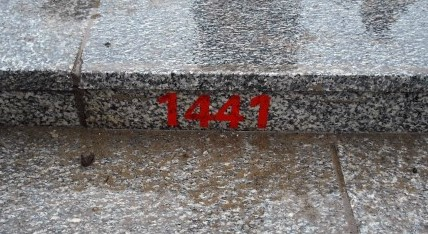
우리나라의 영산 백두산에 다녀온 적이 있다. 여러 코스 중 먼저 갔던 서쪽코스에는 천지까지 1,442개나 되는 계단이 있었다. 그런데 재미있는 것은 각 계단마다 번호가 새겨져 있어서, 내가 지금 얼마만큼 올라왔는지를 알 수가 있다는 것이다.
이처럼 내가 도달해야 할 곳이 어디이고 얼마나 남았는지를 알 수만 있다면, 사람들은 쉽게 포기하지 않고 완급을 조절하며 끝내는 모두 목적지에 도달 할 수 있을 것이다. 하지만 이를 잘 알 수 없는 우리의 인생살이는 수 많은 계단을 오르고도 바로 성공의 문 앞에서 고개를 돌리고 내려왔다는 사실조차도 모르는 경우가 많다.
그러나 습관이 형성되는 기간이 고작 66일 밖에 걸리지 않는 것처럼, 내가 지금 너무나 힘들어서 못 견딜 것 같은 시간도 얼마 남지 않은 시간이라는 것을 인지해야 한다. 그것을 극복하는 순간 어깨를 짓누르던 모든 어려움들이 한번에 다 사라지지는 않겠지만, 도저히 참을 수 없었던 고통이 서서히 사라지기 시작하고, 일말의 기회가 뿌연 안개 속에서 길을 열어 줄 것이다.
—————-
Persistence is the strong determination and willpower to endure. It is fueled by passion, and that passion opens the door to new opportunities. What people commonly call “hardship” may not actually be something too difficult to do—it might just be something they don’t want to do. More often than not, we avoid things not because they are hard, but because we simply don’t want to face them.
And what I don’t want to do is almost certainly what others don’t want to do either. That’s exactly why, when I persist and finish what others would avoid, it becomes a distinguishing achievement—and with it comes a sense of fulfillment.
The ability to persist is a habit born from repeated actions of getting back up after falling. Likewise, giving up halfway is also the result of a habitual tendency to run away due to weak willpower.
A study conducted at University College London on how people form automatic behaviors revealed that whether the participants went jogging every morning or ate fruit after meals, the average time it took to form a habit was 66 days. In other words, if a certain action is repeated for about 66 days, it becomes a habit automatically.
However, as the Korean saying “resolutions last three days” suggests, people often fail to endure even this relatively short—or perhaps long—66-day period. They give up easily, leading to failed diets, failed attempts to quit smoking, and failed efforts to maintain their mindset and resolve in general. In this sense, persistent action is difficult. But now we know: enduring doesn’t actually require an eternity.
I once visited Mount Baekdu, one of Korea’s spiritual landmarks. Among its many trails, the western route I took had 1,442 steps leading up to the crater lake Cheonji. Interestingly, each step was numbered, so I could clearly see how far I’d come.
If we could just know where our destination is and how far we have left to go, people would be less likely to give up—they would pace themselves and eventually reach the goal. But life doesn’t work that way. In real life, we often turn around and walk away just before reaching the door to success, without even realizing how close we were.
But just as it takes only 66 days to form a habit, we must recognize that even the time we’re struggling to endure—the moments we feel are absolutely unbearable—won’t last forever. Overcoming that threshold may not instantly remove every burden weighing on our shoulders, but the unbearable pain will begin to fade, and a faint opportunity will begin to carve a path through the fog.