말콤 글래드웰의 “아웃라이어(Outliers)”를 보면 ‘1만 시간의 법칙’이란 말이 나온다. 한 가지 일에 큰 성과를 이루기 위해서는 1만시간 동안의 학습과 경험을 통한 사전 준비 또는 훈련이 이루어져야 한다는 말이다. 사람에 따라 다르겠지만 1만시간을 하루에 평균 약 3시간, 일주일에 20시간씩 한다면 10년이라는 기간이 걸린다고 하는데, 이는 스톡홀름대학의 앤더스 에릭슨(Anders Ericsson) 박사가 말한 ‘10년의 법칙’과도 일맥상통한다.

우리가 흔히 얘기하는 천재들인 아인슈타인, 피카소, 프로이트 등 위대한 업적을 남긴 대부분의 사람들의 공통점은 최소 1만시간의 집중적인 투자가 있은 후에 비약적인 성장을 가져왔다고 한다. 그래서 동양에서는 이미 큰 그릇은 늦게 만들어진다는 의미의 대기만성(大器晩成)이란 말도 생기지 않았는가?
내가 매우 좋아하는 손자병볍의 손자(손무)의 경우도 비슷하다. 원래 손자의 집안은 제나라에서 큰 공을 세워 넉넉했었지만, 4성의 반란에 연류되면서 정치투쟁에 휩쓸리게 되었다. 결국 젊은 손자는 가족을 따라 오(吳)나라로 피신하여, 20년 동안 산간 벽지에 숨어 살며 병법을 깊이 탐구하면서 생활하였는데, 이때 그 유명한 『손자병법』이 탄생하게 된 것이다.
그렇게 20년의 세월이 지나고 나서야 오왕 합려(闔閭)에게 발탁되어 장군이 된 손자는 그의 병법이 단지 이론에 그치는 것이 아니라 실전에 적용됨을 증명이나 하듯이 초나라를 격파하고 중대한 공을 세워 손자병법을 더욱 세상에 알리게 되었다. 그 결과 손자병법은 2,500여 년이 지난 지금도 동서양 고금을 망라하는 최고의 병법서로 자리매김 하게 되었다. 만약 손자에게 20년의 피난 생활이 없었다면, 만약 손자가 그 피난 생활 동안 끈질긴 병법연구를 하지 않았다면, 오늘날 우리는 손자병법을 만나지 못했을 것이다.
아웃라이어에서는 빌게이츠 등의 유명한 성공 기업가들의 사례도 나오지만, 나는 영원한 우상인 비틀즈의 사례에 주목하였다. 1964년 어느 날 혜성처럼 나타나 미국은 물론 전 세계를 점령한 영국 리버풀 출신의 이 네 명의 더벅머리 청년들은, 알고 보니 말 그대로 혜성처럼 나타난 이들이 아니었다.
그저 평범한 고등학교 록 밴드에 불과했던 비틀즈는 1960년 독일의 함부르크에 초대를 받았는데, 당시 함부르크에는 록큰롤 클럽이 없었기 때문에, 비틀즈는 풋내기에 불과했는데도 불과하고 하루에 여덟 시간씩이나 연주하였다. 리버풀에서 고작 한 시간 연주한 것에 비하면 엄청난 시간이었기 때문에, 비틀즈는 여러 가지 곡을 다양한 방법의 연주로 시도할 수 밖에 없었다.
더욱이 그들은 하루도 쉬지 않고 일주일에 7일을 꼬박 연주하였는데, 그 후 그들이 성공하기 시작한 1964년까지 모두 1만시간이 넘는(12,000시간) 공연을 하였다 한다. 이런 끈질긴 노력의 결과 풋내기 비틀즈는 어느 새 누구도 따라 올 수 없는 놀라운 밴드로 만들어진 것이었다.
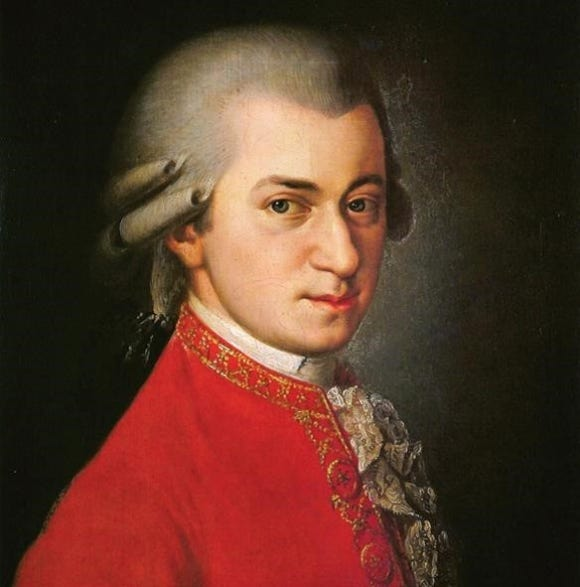
또한 심리학자 마이클 호위(Michael Howe)와 하워드 가드너(Howard Gardner)는 6세에 작곡을 시작하여 신동이라고 불리우는 모짜르트 또한 10년(1만시간)의 법칙에 벗어나지 않는다고 하였다. 즉, 어린 시절부터 작곡을 했던 모차르트의 경우는 처음부터 대단한 작품으로 평가받았던 것이 아니라, 그의 나이 21세 때 만들어진 ‘협주곡 9번’이 나와서야 비로소 진정한 걸작으로 평가 받았다는 것이다. 그리고 이는 그가 협주곡을 만들기 시작한지 10년이 흐른 시점이었다고 한다.
직장에서도 신입으로 입사하여 대리를 거쳐 경력이 대략 10년이 지난 고참 과장쯤 되어야, 촉망 받는 인재로 인정 받기 시작한다. 로마가 하루 아침에 이루어진 것이 아닌 것처럼, 성공도 인재도 하루 아침에 이루어지는 것이 아니다. 당연히 10년 간의 직장생활 동안 하나에 안주하지 않고 다양한 경험과 노력을 하여야지만 10년의 법칙이 적용된다.
즉, 단순히 10년을 채우기만 하면 되는 것 아니라, 마치 연주자나 운동선수가 꾸준히 연습을 하듯이, 하루 세 시간은 업무를 통하든 개인적인 자기계발을 하든 자신의 발전과 성장을 위해 투자해야만 된다는 것이다.
그 과정에 얼마나 많은 난관과 힘듦이 있었겠는가? 일의 고난뿐만 아니라 상하좌우 다양한 사람들과의 소통과 인간관계적인 어려움도 많았을 것이다. 그걸 겪고 극복하며 성장한 사람만이 우리가 리더라고 부르는 부장이 되고 임원이 될 수가 있는 것이다.
나는 업무적으로 힘듦보다는 인간관계나 비젼 때문에 회사를 그만 둔 적이 많다. 상사와 안 맞아 회사를 그만둔 적도 있었고, CEO의 경영철학이 싫어서 회사를 그만 둔 적도 있었다. 나는 이것도 어쩌면 내가 견디지 못하고 결국 회피한 것으로써 그 직장에서 나는 실패했다고 생각했었다.
하지만 세상의 모든 성공이 실패를 담보로 이루어진 것처럼, 실패에 대한 깨우침만 있다면 나는 더 이상 실패라고 생각하지는 않는다. 실패가 주는 교훈이 벽이되고 좌절이 되어서는 성장이 있을 수가 없다. 실패란 현재완료형이 아니라 현재진행형이기 때문이다. 그래서 나는 포기하지 않고 장소만 옮겨 또 다시 꿈을 향해 시작할 수 있게 된 것이다. 장소와 환경은 바뀌었어도 꿈은 변하지 않았고, 그 꿈을 향한 나의 끈질긴 도전이 항상 현재진행형이었기 때문에, 결국엔 CEO가 될 수 있었던 것이 아니었까?
그리고 나도 55세의 나이에 직장을 떠나, 새로운 꿈을 향해 한양대학교 일반대학원에서 마케팅 전공 경영학 박사과정을 공부하였다. 그 결과 지금 60세가 넘어서도 대학의 겸임교수 및 마케팅 강사, 작가, 컨설턴트로 계속 일을 하고 있다.
—————–
In Malcolm Gladwell’s Outliers, the term “10,000-Hour Rule” is mentioned. It suggests that in order to achieve significant success in any field, one must undergo 10,000 hours of preparation or training through learning and experience. Although this may vary depending on the individual, if one were to spend an average of three hours a day and 20 hours a week, it would take approximately ten years. This aligns with Dr. Anders Ericsson of Stockholm University’s “10-Year Rule.”
The common denominator among those we often call geniuses—Einstein, Picasso, Freud, and many others who achieved monumental accomplishments—is that they experienced remarkable growth only after investing at least 10,000 hours of concentrated effort. This is why, in the East, there is a saying Daegi Manseong (大器晩成), meaning “a great vessel takes a long time to complete.”
The case of Sun Tzu (Sun Wu) from The Art of War, whom I deeply admire, is similar. Although his family had earned great merit and lived affluently in the State of Qi, they were entangled in political strife during the rebellion of the Four Nobles. As a result, the young Sun Tzu fled with his family to the State of Wu. There, he spent twenty years in seclusion in the mountains, devoting himself to the study of military strategy. It was during this period that the famous Art of War was born.
Only after twenty years had passed was Sun Tzu recruited by King Helü of Wu and appointed as a general. He proved that his strategies were not merely theoretical by defeating the State of Chu and achieving major victories, which further spread the fame of The Art of War. As a result, even after 2,500 years, The Art of War remains the greatest military treatise known worldwide. If Sun Tzu had not endured those twenty years of exile or had not persistently studied military strategy during that time, we might never have encountered The Art of War today.
While Outliers also features cases of successful entrepreneurs like Bill Gates, I was most drawn to the story of my eternal idols, The Beatles. On one day in 1964, four mop-headed young men from Liverpool seemingly burst onto the scene and conquered not only America but the entire world. However, they were not overnight sensations.
Originally just an ordinary high school rock band, The Beatles were invited to Hamburg, Germany, in 1960. At that time, Hamburg lacked rock ‘n’ roll clubs, so despite being inexperienced, they performed as much as eight hours a day. Compared to the mere hour-long performances in Liverpool, this was an enormous leap. As a result, The Beatles had no choice but to experiment with various songs and arrangements.
Moreover, they played seven days a week without rest. By the time they began to gain success in 1964, they had performed for over 10,000 hours (12,000 hours, in fact). This relentless effort transformed The Beatles from a rookie band into an unparalleled musical phenomenon.
Psychologists Michael Howe and Howard Gardner also pointed out that even Mozart, who began composing at the age of six and was regarded as a prodigy, did not escape the 10-Year (10,000-Hour) Rule. That is, Mozart’s earliest works were not initially considered masterpieces. It was only at the age of 21, with the creation of Piano Concerto No. 9, that he was recognized for producing a true masterpiece. This marked ten years since he began composing concertos.
In the corporate world, an employee generally begins to be acknowledged as a promising talent only after about ten years of experience, starting as a rookie, becoming an assistant manager, and eventually reaching the level of a seasoned manager. Just as Rome was not built in a day, neither success nor talent is achieved overnight. Naturally, this 10-year period at work must be filled with diverse experiences and effort for the 10-Year Rule to apply.
In other words, simply accumulating ten years is not enough. Like musicians or athletes who practice consistently, one must invest at least three hours a day—whether through work or personal development—into growth and self-improvement.
How many challenges and hardships must one endure during that process? There are not only the difficulties of work itself but also the interpersonal struggles and communication issues with people in all directions. Only those who experience and overcome these trials can rise to become the department heads and executives we call leaders.
I have often left companies not because of the nature of the work but due to relationships or lack of vision. I once left because I did not get along with my boss, and another time because I disagreed with the CEO’s management philosophy. At the time, I believed these were failures—evidence that I could not endure and had chosen to escape.
However, just as every success is built upon failure, I no longer view these as failures as long as I have gained insight from them. If the lessons from failure become walls and despair, growth cannot follow. Failure is not a perfect tense; it is a continuous one. That is why I was able to move forward toward my dream again, even in a different place. Although the location and environment changed, my dream did not. It was this persistent pursuit of my dream, always ongoing, that eventually enabled me to become a CEO.
And I, too, left the corporate world at the age of 55 to pursue a new dream by entering the Ph.D. program in Business Administration with a concentration in Marketing at Hanyang University Graduate School. As a result, even now in my sixties, I continue to work as an adjunct professor, marketing lecturer, author, and consultant.