그렇게 준비가 다 끝나갈 즈음, 역시 기대를 저버리지 않고 미셸리의 이메일이 늦지 않게 도착하였다. 이제부터 프랑스 측이 휴가 가기 전까지 사업개발팀 멤버들에겐 그들의 요구조건에 대한 회사의 프로포절을 만들고, 경영진의 재가를 받아야 하는 멀고도 험한 일이 기다리고 있었다.
M&C의 요구사항을 검토해 보니 기대와는 달리 매우 부정적이었다. 계약 기간 3년에 미니멈 로열티(Minimum Royalty)는 2억원이고. 러닝 로열티(Running Royalty)가 매출액의 7%나 되었다. 미니멈 로열티는 매출실적과 상관없이 지급하는 고정금액으로서, 최종적으로 러닝 로열티를 정산할 때 공제하고 지급하기 때문에 실적만 좋으면 큰 문제가 없겠지만, 불확실한 환경에서 만약 브랜드가 실패하거나 기대 이하로 매출실적이 저조하게 되면, 실적과 상관없이 무조건 지불해야 하기에는 꽤 부담이 큰 금액이었다.
또한 러닝 로열티 7%도 신 브랜드를 런칭하기 위해 개발비뿐만 아니라 막대한 광고판촉비를 써야 하는 한국시장에 있어서 꽤나 부담가는 금액이었기 때문에, M&C 브랜드를 화장품으로 포지셔닝하기 위한 자금여력이 부족하게 된다면 이번 사업의 매력도는 그리 좋을 것 같지가 않았다.
그리고 분석결과 PBP가 3년으로 나온 M&C 브랜드는 적어도 3년 이상은 판매해야 투자에 대한 수익(ROI, Return On Investment)이 회수될 수가 있는 상황이므로, 계약기간 3년은 신제품을 개발하고 투자하기에는 터무니 없이 짧은 기간이었다. 따라서 사업경제성 평가 결과가 당연히 좋을 수가 없었다. NPV도 마이너스가 나왔으며, IRR도 P사의 WACC인 12%보다 낮게 나왔다. 결국 이번 조건의 가장 큰 문제점은 로열티도 높긴 하지만, 계약기간이 너무 짧아서 그 기간 내에 계약이 연장되지 못할 경우 투자 경제성이 나오지 않는다는 것이었다.
처음, 신대리는 사업개발 업무 절차가 겉보기에 복잡해 보여도 의외로 단순한 일이라 생각됐다. 여러 가지 사안들에 대한 다양한 전략 안들을 시뮬레이션 하여 최적의 전략을 찾는 반복적인 일이라 생각했기 때문이다. 그러나 업무방식만 그런 것이지, 그런 단순 반복적인 업무가 사실은 끊임 없는 협상의 연속이라는 점에서 사람의 진을 빼놓는 기다림의 싸움임을 뒤늦게 깨닫게 되었다.
단순하게 생각하면 모든 협상들처럼 M&C도 세 가지 선택의 경우가 있다. 첫째는 가장 쉬운 일로써 M&C의 안을 그대로 받아들이는 일이다. 그러나 그들의 요구는 사업성이 없어서 P사가 수용할 수가 없다. 둘째는 그들이 받아들일지 모르겠지만 P사에게 유리한 안을 주장하는 것이고, 마지막은 쌍방이 서로 조금씩 양보하더라도 서로 만족할 수 있는 최적의 안을 찾는 것이다. 결국 협상이 타결되기 위해서는 세 번째 안처럼 서로가 양보해야겠지만, 그 과정이 그리 쉽지 않은 게 바로 문제였다.
M&C가 제시한 조건의 투자 경제성 평가 자료와 함께 사업개발팀 전원은 오늘도 여지없이 원탁에 둘러 앉아 심각한 고민에 나오는 것은 한숨뿐이었다. 기대에 너무 못 미치는 결과를 가지고 상부에 보고 하기에는 어려웠기 때문에, 일단 사업개발팀 나름대로의 대안이 필요한 상황이었다.
긴 침묵을 깨고 송팀장이 먼저 말했다.
“지금까지 내 경험으로 보면, 프랑스 기업들은 미국과는 달리 융통성이 적고 자기 고집이 강하며 뭐랄까…, 우월주의 같은 경향이 있어 협상이 쉽지 않을 것 같은데…, 이 상황에서 우리가 너무 강경하게 나가면 어쩌면 어렵게 여기까지 온 계약이 쉽게 깨질지도 몰라서 무척 걱정되는군요.”
“하지만 팀장님, 이런 조건으로는 전혀 사업성이 없기 때문에 우리가 M&C를 들여올 이유가 없습니다. 아무래도 M&C측이 아직 국내 화장품 시장을 잘 모르기 때문인 것 같습니다. 제 생각엔 일단 우리회사의 조건을 강경하게 제시하며, 그럴 수 밖에 없는 이유로 M&C브랜드를 화장품으로 새롭게 자리잡게 하기 위해 수십억 원대의 광고비를 투여해야만 한다는 당위성을 이해시킬 필요가 있겠습니다. 우리가 하는 TV광고가 결국 브랜드 인지도를 높이기 때문에 국내 다른 패션이나 잡지 등의 M&C 라이센시(Licensee)들에게도 시너지(Synergy)를 창출해서 M&C 본사에도 부가적인 이득이 있을 것입니다.”
신대리의 주장에 박성준이 말을 덧붙였다.
“그리고 판촉도 마찬가지입니다. 화장품업계는 매월 많은 거래선 판촉비를 쓰고 있잖습니까? 이왕 판촉물 사다 쓰는 거, 다른 M&C 라이센시들과 코프로모션(Co-Promotion)을 해서 M&C의 다른 제품들을 판촉으로 사용하면, 국내 라이센시들이 모두 함께 성장할 수 있으니 프랑스 본사도 좋아할 것 같은데요?”
조윤희는 한 사람의 여성으로서 크게 동의하는 모습을 보였다.
“맞아요. M&C패션은 옷도 이쁘고 브랜드 이미지도 좋으니 티셔츠 같은 것을 판촉으로 쓰면 소비자들도 좋아할 것 같아요. 그리고 M&C매거진에 광고도 싣고요.”
“팀장님, 이런 제반 비용투자를 감안해서 타당성 있는 설명과 함께, 우리회사의 조건을 강경하게 나간 다음 일단 그들의 다음 조건을 기다려 보면 어떨까요? 처음부터 우리가 너무 그들에게 끌려가는 듯한 모습을 보여주는 건 좋지 않을 것 같습니다.
신대리의 강한 주장에도 송팀장은 머뭇머뭇 쉽게 결정을 하지 못했다.
송팀장은 그 동안 항상 유리한 조건에서 일해본 경험이 많은 사람이라 자신의 성과가 날라갈 것 같은 리스크를 감내하기에는 무척 소심한 사람이었다. 그리고 사업개발팀의 업무 속성이 회사의 장기적인 이익 관점보다는 계약을 어떻게든 성사시켜 성과를 올리려는 성향이 다분히 강한 경향도 있는 것이 사실이다. 송팀장의 지금까지 경험이 그런 환경에서 익숙하다 보니 쉽게 모험을 하고 싶지가 않는 것이었다.
“그래도 이게 판 자체가 깨져 버리면 안될텐데….”
결국 참다 못한 신대리가 또 다시 고사성어를 운운하며 설득에 나섰다.
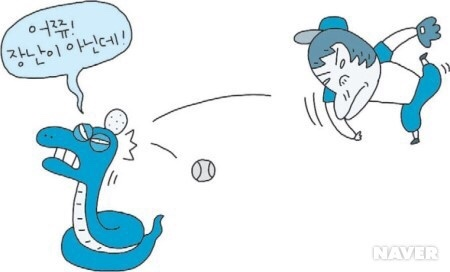
“팀장님, 36계에는 타초경사(打草驚蛇)란 말이 있습니다. 막대기로 풀을 쳐서 뱀을 놀라게 한다는 말인데, 막대기로 치기 전까지는 풀 속에서 보이지도 않는 뱀이 어떤지 모르는 상황 아닙니까? 자칫 뱀에 물릴 수도 있고요. 풀을 쳐서 뱀을 유인한 후에야 비로소 물리지 않고 잡을 수도 있는 것입니다. 일단 이렇게 우리의 안을 던지고 나서 상대의 동정을 살펴보는 전략이 좋을 것 같습니다. 게다가 우리에겐 미셸리가 있잖아요. 그녀는 진짜 프로페셔널한 협상가 같던데요?”
신대리의 주장에 송팀장은 어쩔 수 없다는 듯한 제스처로 자료를 처음부터 다시 뒤척이며 말했다.
“그 놈의 옛날 이야기는 참내…. 사람 할 말 없게 만든다니까. 좋습니다. 그럼, 우리 주장을 다시 한번 검토해봅시다.”
“팀장님, 우리회사의 조건은 러닝 로열티 3%, 미니멈 로열티 1억원, 그리고 계약기간 5년 입니다. 특히 런칭 첫 해는 80억 예상매출에 30억원의 광고판촉비가 투여되기 때문에 적자이고, 둘째 해에 손익분기점에 도달하며, 3차년도부터 이익이 발생해 투자비를 회수할 수 있는데, 4차년도부터 비로소 매출 200억원을 돌파하면서 우리회사의 이익에 진정으로 공헌할 수 있습니다. 따라서 베스트 케이스(Best Case) 분석 결과는 PBP가 2년 6개월, 5년간 NPV는 50억이며, IRR은 우리회사 왝(WACC) 12%보다 훨씬 높은 20%입니다.”
“왝? 근데, 왝이 뭡니까?”
송팀장의 질문에 박성준이 웃으며 대답했다.
“팀장님, 발음하기가 편해서 우리끼리는 WACC를 그냥 왝이라고 합니다.”
“사람들 참… 그래도 그게 돼지 잡는 소리도 아니고 왝이 뭡니까? 다음부터는 그렇게 말하지 맙시다.”
“네 알겠습니다.”
모두들 웃으며 대답은 하였지만 아마도 왝이란 말은 계속 사용될 것이 뻔했다. 그래도 왝 덕분에 심각한 분위기가 갑자기 화기애애해진 것 같아 무거운 기분이 다소 사라질 수 있어 좋았다. 사실 자기 자본율이 상당히 높고 아직 주식시장에 상장이 되지 않은 개인회사라서 WACC가 12%가 되지 않음에도 불구하고 재경팀과 논의해본 결과 내부적으로 12% 이상을 책정해야 한다는 주장에 박성준이 ‘왝~!’ 12%가 우리 목줄을 쥐어짜는 것 같다며 우스개 소리를 한 것이 이제는 모두의 공용어가 된 것이었다. ( 계속 )
————-
Just as preparations were nearing completion, Michele’s email, as expected, arrived on time. The French side’s upcoming holiday left the business development team facing a daunting task: drafting a proposal that addressed their demands, obtaining executive approval, and navigating a challenging journey ahead.
Upon reviewing M&C’s requirements, the outlook was unexpectedly grim. The proposed contract had a term of three years, with a minimum royalty of 2 billion KRW and a running royalty of 7% of sales. While the minimum royalty is a fixed amount payable regardless of sales performance and deductible during final royalty settlement, it posed a significant burden if the brand failed or fell short of sales expectations.
The 7% running royalty was also a considerable challenge, particularly for the Korean market, where significant development and promotional costs are required to launch a new brand. If resources were insufficient to position M&C as a cosmetics brand, the business case for the venture seemed unappealing.
Furthermore, the analysis revealed a payback period (PBP) of three years, meaning the M&C brand would need to be sold for at least three years to recoup the return on investment (ROI). A three-year contract period was simply too short to justify product development and investment, making the business case unviable. Net Present Value (NPV) was negative, and the Internal Rate of Return (IRR) fell below P Corp’s Weighted Average Cost of Capital (WACC) of 12%. Ultimately, the most significant issue lay not just in the high royalties but in the excessively short contract period, which, if not extended, would undermine the project’s economic feasibility.
At first, Assistant Manager Shin had thought business development procedures were simpler than they appeared—a repetitive process of simulating various scenarios to identify the optimal strategy. However, he soon realized that the seemingly straightforward work was, in fact, an exhausting battle of endless negotiations and waiting games.
In simple terms, like any negotiation, there were three options with M&C. The first was to accept M&C’s terms outright, the easiest route but unfeasible due to the lack of business viability. The second was to propose terms favorable to P Corp, though it was uncertain if M&C would accept them. The last was to seek a mutually acceptable compromise where both parties made concessions. Achieving a resolution would likely require the third approach, but the process was far from easy.
Faced with the investment feasibility analysis of M&C’s proposed terms, the business development team gathered once again around the round table, where sighs were the predominant outcome. Reporting such disappointing results to upper management was difficult, and alternative proposals were urgently needed.
Breaking the silence, Team Leader Song spoke first.
“In my experience, French companies are less flexible than their American counterparts, quite stubborn, and, to put it bluntly, often exhibit a sense of superiority. Negotiations won’t be easy. If we push too hard, we risk losing the deal we’ve worked so hard to reach.”
“However, Team Leader, under these terms, the business lacks any profitability, giving us no reason to bring in M&C. I believe M&C’s unfamiliarity with the Korean cosmetics market is partly to blame. We need to firmly present our terms and explain why: positioning the M&C brand in cosmetics requires a significant advertising investment of tens of billions of won. TV commercials will enhance brand recognition and create synergies for M&C’s other licensees, such as in fashion and magazines, ultimately benefiting the M&C headquarters as well.”
Building on Assistant Manager Shin’s argument, Park Sung-jun added:
“The same applies to promotions. The cosmetics industry spends substantial monthly promotional budgets with distribution channels. Why not collaborate with other M&C licensees for co-promotions? Using M&C’s other products in promotions could foster mutual growth among domestic licensees, which the French headquarters would likely appreciate.”
As a woman, Jo Yoon-hee showed strong agreement.
“Absolutely. M&C’s fashion products, like their beautiful clothes, would be well-received by consumers as promotional giveaways, like T-shirts. We could also advertise in M&C’s magazine.”
“Team Leader, considering all these expenses, I suggest presenting our terms firmly, backed by reasonable explanations. Then we should wait for their response. It’s unwise to appear too accommodating from the start.”
Despite Shin’s assertiveness, Team Leader Song hesitated.
Having thrived in advantageous negotiations, Song was cautious about risking his track record. Furthermore, the business development team’s focus leaned more toward securing deals than ensuring long-term company benefits. Song’s experience in such an environment made him reluctant to take risks.
“But if the whole deal falls through, we’ll be in trouble….”
Unable to stay silent any longer, Shin invoked another idiom in his attempt to persuade.
“Team Leader, there’s a saying in the Thirty-Six Stratagems: ‘Strike the grass to scare the snake.’ It means using a stick to beat the grass and flush out hidden snakes. Until you strike the grass, you don’t know what dangers the snake might pose. It could even bite. Striking the grass first allows you to expose and capture the snake without harm. We should propose our terms and observe their reaction. Besides, we have Michele, a truly professional negotiator, on our side!”
Reluctantly, Team Leader Song rifled through the documents again and sighed.
“Your idioms always leave me speechless… Fine, let’s revisit our proposal.”
“Team Leader, our terms are a running royalty of 3%, a minimum royalty of 1 billion KRW, and a five-year contract period. In the first year, we project 80 billion KRW in sales but expect losses due to 30 billion KRW in advertising expenses. The breakeven point is reached in the second year, and profits start from the third year. By the fourth year, annual sales surpass 200 billion KRW, contributing significantly to company profits. In the best-case scenario, PBP is 2.5 years, five-year NPV is 5 billion KRW, and IRR exceeds our Wack of 12% by reaching 20%.”
“Wack? What’s Wack?”
Team Leader Song’s question elicited laughter from Park Sung-jun.
“Team Leader, it’s just easier to say WACC as ‘Wack’ among ourselves.”
“People these days… ‘Wack’? What kind of noise is that? Let’s stop calling it that.”
“Yes, sir.”
Though they agreed, it was clear “Wack” would stick. Still, the sudden shift in mood brought some much-needed levity to the room. After all, despite being a privately held company with a high equity ratio, P Corp’s internal policy insisted on setting a WACC threshold of over 12%, leading Park Sung-jun to joke that “Wack” felt like a chokehold—now a shared in-joke among the team. (To be continued)