

소비자는 브랜드를 구매하면서 크게 2가지 혜택(Benefit)을 받아들이는데, 소비자의 이성적 측면인 기능적 혜택(Functional Benefit)과, 감정적 측면인 감성적 혜택(Emotional Benefit)이다.
먼저 소비자의 이성적 요소로서 가격과 제품의 품질과 기능이란, 화장품 시장에서 가장 기본적인 전제 조건이 된 지 오래다. 물론 간간이 나오는 차별적이고 혁신적인 제품이 있더라도, 기술수준이 평준화된 화장품의 경우 빠른 카피(Copy)제품의 출현으로 쉽게 비차별적 요소가 되는 게 현실이다. 또한 가격 경쟁력도 장기적으로 지속하게 되면 결국 이익의 심각한 감소를 초래할 수 있기 때문에, 이러한 이성적 요소에 의존하면 제품과 서비스를 범용화 할 위험이 있다.
반면 감성적 요소는 브랜드 경험을 통해 소비자와 브랜드 사이의 상호작용이 필요하다. 특히 온라인 환경은 비대면 마케팅이기 때문에 소홀해질 수 있는 것이 고객의 경험이다. 제품과 브랜드를 통해 얻을 수 있는 독특한 경험 또한 차별적 요소로 자리잡을 수도 있기 때문이다.
전통적으로 화장품 시장에선 샘플링 및 체험후기 등을 활용하여, 고객의 경험을 이끌어내는 활동을 많이 해왔다. 그러나 고객이 단순히 제품을 사용해본 물리적인 경험 이외에도 감성적, 지적, 정신적인 가치를 경험할 수 있도록 하는 노력이 필요하다. 즉 매장과 홈페이지 방문, 직원과의 접촉, 커뮤니케이션, 제품과 서비스의 사용, A/S, C/S 등을 포함한 모든 경험이 브랜드에 대한 소비자의 태도를 형성하게 하여, 공감과 신뢰성, 그리고 나아가서는 브랜드 충성도(Loyalty)를 구축하게 하는 것이다.
그럼 과연 이성적 요소와 감성적 요소들 중에 뇌 속의 구매 버튼은 과연 어디에 있을까? 인간의 뇌는 좌뇌와 우뇌로 이루어져 있다. 흔히들 좌뇌는 이성적, 논리적, 합리적인 생각을, 우뇌는 감성적, 관계지향적인 생각을 담당한다고 한다. 하지만 최근 뇌과학에서는 우뇌-좌뇌적인 이분법의 측면보다 전전두엽 (前前頭葉, Prefrontal cortex)’에 주목하고 있다.

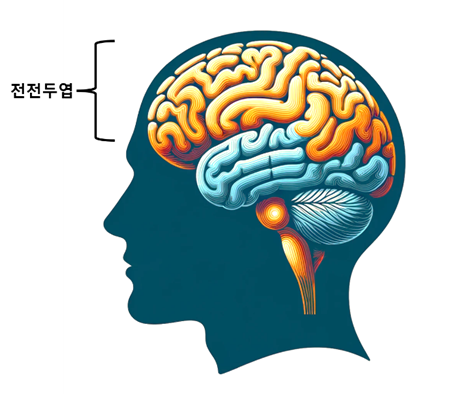
전두엽의 앞에 있는 전전두엽은 변연계를 조정하는데, 생존을 관장하는 뇌의 영역인 변연계는 감정적인 상황에서 더 위력을 발휘하여 이성적인 판단을 어렵게 한다. 즉, 소비자가 충성도가 강한 브랜드를 봤을 때, 전전두엽은 마치 지금이 생존을 위협하는 위기상황인 양 착각하여 이를 극복하기 위해 변연계를 움직인다. 그 브랜드를 구입해야만 하게 만드는 것이다.
브랜드를 구입하면 뇌는 위기상황을 극복하게 되어 쾌락을 느끼게 하는 도파민을 분비하기 때문에, 다음에도 또 브랜드를 재구매 하게 만드는 것이다. 따라서 사람의 이성적 측면을 무력화시키는 것이 바로 감정적 욕구임을 알 수가 있다.
바람직한 콘텐츠는 타깃 고객이 매우 좋아하고 따르는 감정적인 표현을 브랜드와 함께 이야기로 만들어, 소비자가 브랜드를 좋아하게 만드는 것이다. 소비자들은 회사가 송출하는 스토리가 특정한 감정을 유발한다는 것을 알고 있어도, 그 메시지를 거부하기가 쉽지 않다. 그렇게 되면 브랜드는 제품의 기능 이외에 좀 더 광범위하게 브랜드의 상징이나 개성과 같은 감정적인 요소에 의해 고객가치가 만들어지고 충성도를 구축한다.
그러므로 일반적으로 만들어지고 있는 아래와 같은 크게 3가지 종류의 콘텐츠들을 소비자의 경험과 공감을 이끌어내기 위한 방향으로 바꾸는 추가적인 노력이 필요할 것이다.
① 교육 및 정보적 가치 제공.
타깃 고객이 관심을 가질만한 주제에 대한 자세한 튜토리얼과 가이드를 제공한다. 예를 들어, 올바른 화장품 사용법, 스킨케어 루틴 구축 방법 등이 있다. 또한 업계 전문가의 인터뷰, 연구결과, 케이스 스터디, 최신 뷰티 트렌드, 뷰티시장 동향, 다양한 제품 리뷰와 비교 분석 등, 유용한 화장품 전문 정보들을 공유한다. 하지만 콘텐츠가 단순한 지식과 정보제공에서 끝난다면 홈페이지나 자사몰은 더 이상 차별적이지 못할 것이다. 중요한 것은 타깃 고객들에게 관심과 호기심, 재미를 이끌어낼 수 있어야만 한번 더 클릭을 이끌어낼 수 있다는 것이다.
② 엔터테인먼트 가치 제공.
유머, 퀴즈, 게임, 설문조사, 투표 등 재미있고 참여할 수 있는 콘텐츠를 통해 소비자들의 참여를 유도하는 콘텐츠는 브랜드와 긍정적인 감정적 연결을 강화한다. 또한 브랜드 스토리, 고객의 성공 사례 등의 소비자들의 감정적인 공감대를 형성하는 이야기를 만든다면, 소비자들은 콘텐츠에 더욱 깊이 몰입하게 될 것이다.
③ 고객과 상호작용 콘텐츠.
화장품 개발 아이디어부터 제품개발 과정에 소비자를 참여하도록 하는 것은 소비자들을 더욱 몰입하게 만들 것이다. 또한 커뮤니티를 구축하여 소비자 간의 대화와 교류를 촉진하고, 공동의 관심사를 가진 사람들이 모여 서로 정보를 공유하고 지원할 수 있는 공간을 마련해도 좋을 것이다. 회사는 이런 소비자들의 상호작용, 관심사, 행동 데이터를 분석하여 맞춤형 콘텐츠를 만들 수도 있다. 이를 통해 소비자들은 자신에게 더 밀접하고 가치 높은 경험을 제공받는 느낌을 받을 것이다. (계속)
———————–
Consumers recognize two main types of benefits when purchasing brands: Functional Benefits (rational aspects) and Emotional Benefits (emotional aspects).
Starting with the rational aspects of consumers, price, product quality, and functionality have long been fundamental premises in the cosmetics market. Even with occasional distinctive and innovative products, in the case of cosmetics where technology levels have become standardized, the reality is that they quickly become non-discriminatory factors due to the emergence of fast copy products. Moreover, if price competitiveness is sustained in the long term, it can ultimately lead to a severe decrease in profits. Therefore, relying on these rational factors poses the risk of commoditizing products and services.
On the other hand, emotional factors require interaction between consumers and brands through brand experiences. Especially in the online environment, which is a form of non-face-to-face marketing, customer experience can be overlooked. Unique experiences through products and brands can also become a distinguishing factor.
Traditionally, the cosmetics market has extensively used sampling and consumer reviews to guide customer experiences. However, efforts are needed to enable customers to experience emotional, intellectual, and spiritual values beyond merely the physical experience of using products. This means that all experiences, including store and website visits, interactions with staff, communications, and the use of products and services, including after-sales and customer service, shape consumers’ attitudes towards brands, fostering empathy, credibility, and ultimately brand loyalty.
So, where exactly is the “purchase button” in the brain among these rational and emotional factors? The human brain consists of the left and right hemispheres. Commonly, the left brain is responsible for rational, logical, and analytical thoughts, while the right brain manages emotional, relationship-oriented thoughts. However, recent neuroscience has focused more on the ‘prefrontal cortex’ rather than the left-right brain dichotomy.
The prefrontal cortex, located at the front of the frontal lobe, regulates the limbic system, the brain area governing survival, which exerts more power in emotional situations, making rational judgments difficult. Thus, when consumers see a brand they are loyal to, the prefrontal cortex, mistaking this as a survival-threatening crisis, activates the limbic system to overcome it, compelling them to purchase that brand.
When purchasing a brand, the brain secretes dopamine, which makes one feel pleasure by overcoming a crisis situation, thus encouraging the repurchase of the brand. This demonstrates that emotional desires are what truly neutralize the rational aspects of a person.
Desirable content involves creating stories with the brand, using emotional expressions that the target customers greatly enjoy and follow, making consumers like the brand. Consumers may know that the company’s story triggers certain emotions, but they find it difficult to reject the message. As a result, the brand’s customer value is created not only by the product’s functionality but also by a broader range of emotional elements such as the brand’s symbolism and personality, building loyalty.
Therefore, additional efforts are needed to shift the direction of the following three major types of content, which are generally being created, to draw out consumer experiences and empathy.
① Providing Educational and Informational Value.
Provide detailed tutorials and guides on topics of interest to target customers, such as proper cosmetic usage, building a skincare routine, etc. Also, share useful cosmetics expertise, including industry expert interviews, research results, case studies, the latest beauty trends, beauty market trends, various product reviews, and comparative analysis. However, if the content ends with mere knowledge and information provision, the website or own brand store will no longer be distinctive. The important thing is to be able to attract the target customers’ interest, curiosity, and fun, which can lead to an additional click.
② Providing Entertainment Value.
Content that encourages consumer participation through fun and interactive content such as humor, quizzes, games, surveys, and polls strengthens the positive emotional connection with the brand. Additionally, creating stories of brand history and customer success stories that form an emotional resonance with consumers will lead to deeper immersion in the content.
③ Interactive Customer Content.
Involving consumers in the product development process from the idea stage of cosmetics development will make them more engaged. Also, building a community to facilitate conversation and exchange among consumers, and creating a space where people with common interests can gather to share information and support each other, would be beneficial. The company can analyze this consumer interaction, interests, and behavioral data to create customized content. Through this, consumers will feel that they are receiving a more personal and valuable experience. (To be continued)