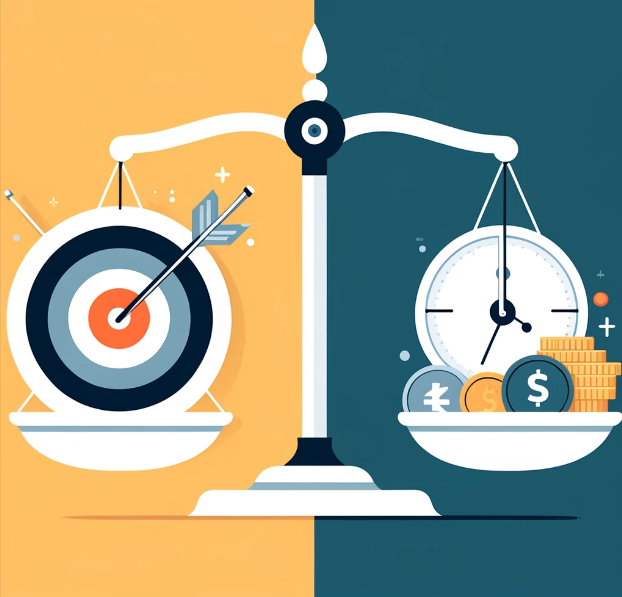
사업계획 목표에 의해 마케팅 예산이 정해졌으면, 다음이 마케팅 예산을 어떻게 효과적이고 효율적으로 분배해서 사용할 것인가이다. 그런데 효과성(effectiveness)과 효율성(efficiency)은 마케팅 성공을 위해 함께 고려되어야 하는 중요한 요소이지만, 서로 다른 개념임을 알고 있어야, 마케팅 활동의 중요한 방향을 결정할 수 있다.
먼저 효과성(Effectiveness)은 설정된 목표를 얼마나 잘 달성하는지 마케팅 결과가 중요하다. 즉, 마케팅 활동이 기업의 전략적 목표, 예를 들어 브랜드 인지도 증가, 고객유입 증가, 매출확대 등이라면, 이를 얼마나 잘 달성하고 있는지를 측정하는 지표로써, 도달률, 유입률, 구매전환률 등으로 효과성을 평가할 수 있다. 한마디로 특정 마케팅 캠페인을 통해 타깃고객에게 도달하고 예상한 반응을 이끌어냈다면, 그 마케팅은 효과적인 것이다.
반면에 효율성(Efficiency)은 사용된 자원(시간, 비용, 인력 등) 대비 목표 달성 정도를 나타내는 지표이다. 즉, 최소한의 비용과 노력으로 최대한의 결과를 얻는 것에 중점을 둔다. 그래서 마케팅 활동의 ROI(Return On Investment, 투자대비수익)를 최적화하는 것이 목표라 할 수 있는데, 디지털 마케팅에선 ROAS(Return on Advertising Spend), CPC (Cost per Click) 등의 여러 지표가 활용되고 있다.
그러나 일반적으로 ROAS는 광고비 대비 수익이 아닌 매출로 계산되기 때문에, 마케팅 활동의 수익성을 측정할 수 없음을 유의하고 참고해야 한다. 어쨌든 한정된 예산 내에서 다양한 마케팅 채널을 사용하여 최대한의 고객 도달 및 반응을 이끌어냈다면, 그 마케팅 활동은 효율적이라고 평가할 수 있다.
요약하면, 효과성은 목표를 달성하기 위해 ‘올바른 일을 하고 있는가’에 초점을 맞춘 반면, 효율성은 자원 관리와 운영적인 측면에서 ‘일을 올바르게 하고 있는가’에 집중하는 것이다. 내가 컨설팅 했던 회사의 경우의 CEO도 이를 잘 구별하지 않고 사용했기 때문에 불필요하게 광고비를 많이 사용했던 것이다.
주로 저가의 제품을 팔고 있었던 회사의 CEO는 처음에는 내게 브랜드의 이미지를 올리고 싶다고 했다가, 나중엔 다른 건 다 필요 없고 매출이 중요하므로 구매전환을 높여야 한다고 했다가, 그때그때 생각에 따라서 왔다 갔다 했다. 이 두가지는 분명히 광고의 목적이 다르다. 따라서 예산의 일부는 브랜드 이미지 광고로 사용하고, 나머지 대부분은 구매전환용으로 사용하는 게 바람직했다.
하지만 무조건 매출만이 중요하다면 아주 간단하다. 온라인 광고를 모두 할인행사 배너로 만들면 된다. 소비자의 구매의도는 파격적인 할인행사를 보고 들어오는 고객들이 브랜드 이미지 보고 들어오는 고객보다 높을 게 틀림없기 때문이다. 하지만 가격할인 때문에 구입한 소비자들보다 브랜드 이미지 때문에 구입한 소비자들이, 장기적으론 재구매율이 높은 충성고객이 될 확률은 더 높을 것이다. 단기적 매출은 한 순간이지만 브랜드는 장기적인 결과를 가져오기 때문에, 마케팅에서는 이 두 마리 토끼를 모두 잡을 수 있도록 최적의 해법을 찾아야 한다.
따라서 기업이 지향하는 광고의 목적이 효과성인지 효율성인지, 또는 각각에 어느 정도의 비중을 두어야 할지를 잘 판단해야 한다. 만약 초기 신규 브랜드가 출시되었다면, 브랜드 인지도를 높이기 위해 손해를 보더라도 효율성보다는 효과성에 초점을 두어야 하고, 기존 브랜드의 매출을 증대하며 수익성을 확보하기 위해서는 효율성에 중점을 두어야 할 것이다.
—————————————
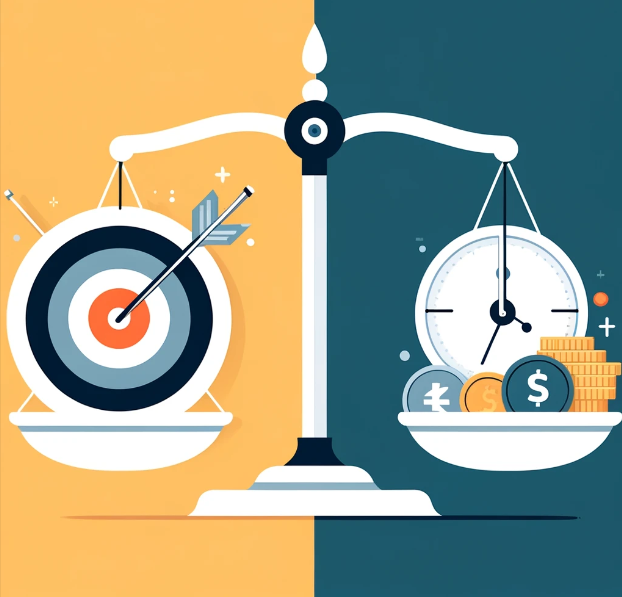
If a marketing budget has been determined based on business objectives, the next step is to effectively and efficiently allocate and utilize this budget. While effectiveness and efficiency are both critical for successful marketing, it’s important to understand that they are distinct concepts. This understanding guides the direction of marketing activities.
Effectiveness in marketing refers to how well set goals are achieved. For example, if the strategic goals of a company are to increase brand awareness, attract more customers, or expand sales, the effectiveness of marketing can be measured by metrics like reach, engagement rate, and conversion rate. Simply put, if a marketing campaign successfully reaches the target audience and elicits the anticipated response, it is considered effective.
Efficiency, on the other hand, relates to the degree of goal achievement relative to the resources used (such as time, cost, and manpower). The focus here is on achieving maximum results with minimal resources. This involves optimizing the Return on Investment (ROI) of marketing activities. In digital marketing, metrics like Return on Advertising Spend (ROAS), Cost per Click (CPC), and others are used to measure efficiency.
However, it’s important to note that ROAS typically measures revenue, not profit, from advertising spend, so it doesn’t always reflect the profitability of marketing activities. Efficient marketing, then, involves using a limited budget to maximize customer reach and response across various channels.
In summary, effectiveness is about doing the right things to achieve goals, while efficiency focuses on doing things right from a resource management perspective. In my consulting experience, I’ve seen companies misuse their budgets because they did not distinguish well between these concepts. For example, a CEO of a company initially told me that they wanted to elevate their brand image but later shifted to focusing solely on sales and conversion rates, leading to inconsistent advertising goals. Ideally, part of the budget should be allocated to branding, and the majority to conversion-focused advertising.
If the focus is solely on sales, a straightforward approach would be to design all online ads as discount promotions, since promotional events typically attract customers with higher purchase intent than those drawn by brand image. However, customers attracted by brand image are likely to become loyal, repeat customers, contributing to long-term brand success. While short-term sales are fleeting, a brand’s value is long-lasting. Therefore, marketing should ideally capture both these aspects by finding the optimal solution.
Thus, companies must carefully consider whether their advertising goals are focused on effectiveness or efficiency and decide how much weight to give to each. If a new brand is being launched, it might be worth focusing on effectiveness—even at a cost—to build brand recognition. Established brands aiming to increase sales and profitability should emphasize efficiency.