

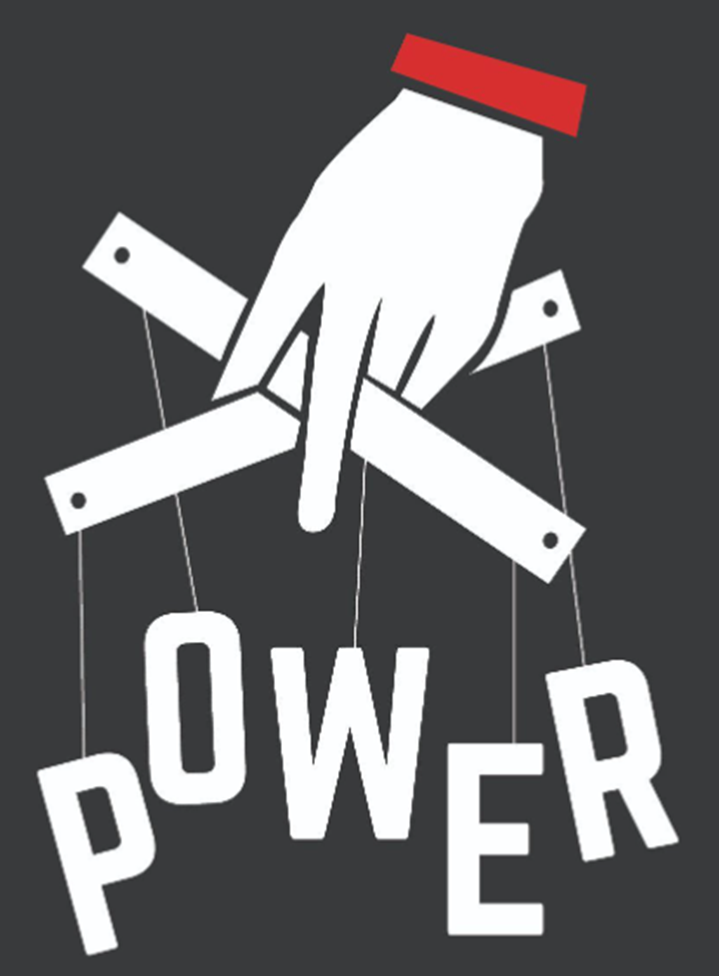
- 힘(Power).
나는 앞서서 5가지 힘의 원천에 대해서, 보상력, 강력권, 합법력, 준거력, 전문력에 대해서 이야기한 바가 있다. 하지만 이 힘은 이미 거래관계가 이루어졌을 때, 상황에 따라 발생할 수 있는 힘이지, 거래를 시작하기 위한 협상에 필요한 힘은 아니다.
당연히 매출에 대한 보상을 약속해 주거나 반대로 안될 경우 벌칙을 가할 수 있다는 것(보상력)을 보여줄 수도 있고, 과거 선례나 합법적인 점과 정통성이 있다는 것(합법력, 준거력)을 강조할 수도 있고, 연구 및 임상 결과와 전문지식(전문력)을 가지고 있다는 것을 보여줄 수도 있다.
하지만 이외에도 협상은 빙산의 일각처럼, 겉으로 보이는 것보다 바다 밑에 잠겨 있는 거대한 빙산과도 같은 보이지 않는 다양한 방법이 있다. 부족한 협상가는 빙산의 표면처럼 눈에 나타나 있는 문제에만 집착하지만, 성공적인 협상가는 물밑에서 드러나지 않고 있는 빙산의 대부분처럼, 협상 표면에서 드러나지 않고 숨어 있는 그 무엇까지도 고려하여 협상에 임해야 한다. 그리고 상황에 따라 다음과 같은 보이지 않는 힘을 적절하게 사용할 수도 있다.

- 다른 거래처가 있는 것처럼 해서, 경쟁을 조성하거나 걱정하지 않는 듯한 태도를 취한다.
- 위험을 기꺼이 감수하고 거래를 할 수 있다는 잠재력이나, 끈질기게 물고 늘어지는 인내와 끈기력을 보여준다.
- 만약 인맥이 있다면, 다른 사람을 디딤돌로 활용한다.
- 상대방이 무엇을 원하는지를 미리 파악하고, 상대방의 욕구를 만족시킬 수 있다는 것을 강조한다.
- 협상이 난항을 겪게 될 경우, 상대방의 시간과 비용 및 노력을 쏟게 한다.
- 감정적으로 공감대를 형성하거나, 도덕성에 호소한다.
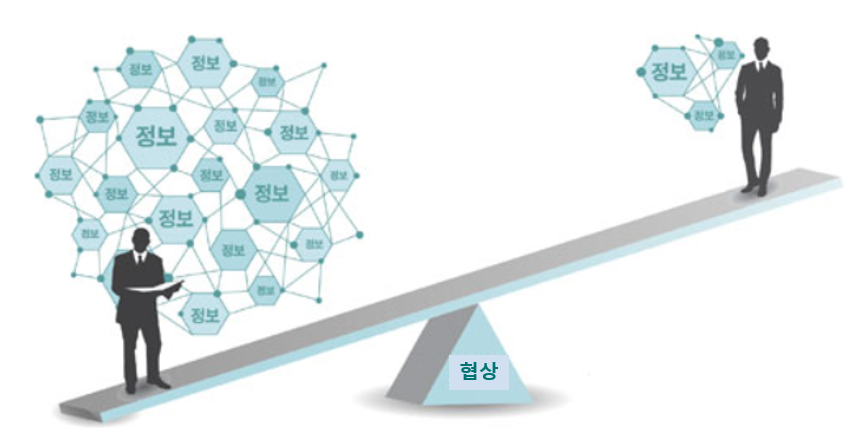
- 정보(Information).
사실을 평가하고 결정할 때는 반드시 정보가 토대가 되어야 한다. 상대방이 취급하는 제품류가 무엇인지, 앞으로 원하는 사항은 무엇인지, 현재 취약점은 없는지, 마감시간은 어떤 지 등, 정확한 정보 확보를 확보해야 한다.
그러나 사실 상대방에 대해 정확한 정보를 얻지 못하는 경우가 많다. 그 이유는 협상을 제한된 사건이나 우연한 사건으로 생각하는 경향이 있기 때문이다. 이런 경우 대부분은 정보를 협상이 진행되는 도중에 얻으려 하기 때문에 사전에 준비하고 대응하질 못해 협상에 불리해질 확률이 높다. 따라서 가능하면 일찍부터 차분하고 일관되게 정보를 수집하는 것이 좋다.
만약 정보를 수집하는 루트가 어렵다면, 가장 좋은 방법은 협상을 하기 전 탐색 단계에서, 많은 질문을 하는 것이다. 가장 중요한 것은 상대방의 입으로부터 가시적이든 가시적이지 않든 숨어있는 정보까지 은연 중에 말하도록 유도하는 것이 좋다. 대부분의 화장품 판매사는 회사 소개 및 제품소개를 하느라 말을 많이 하는데, 그것보다 더 중요한 것은 상대방이 어떤 곳인지 잘 파악부터 하는 것이다.

- 시간(Time).
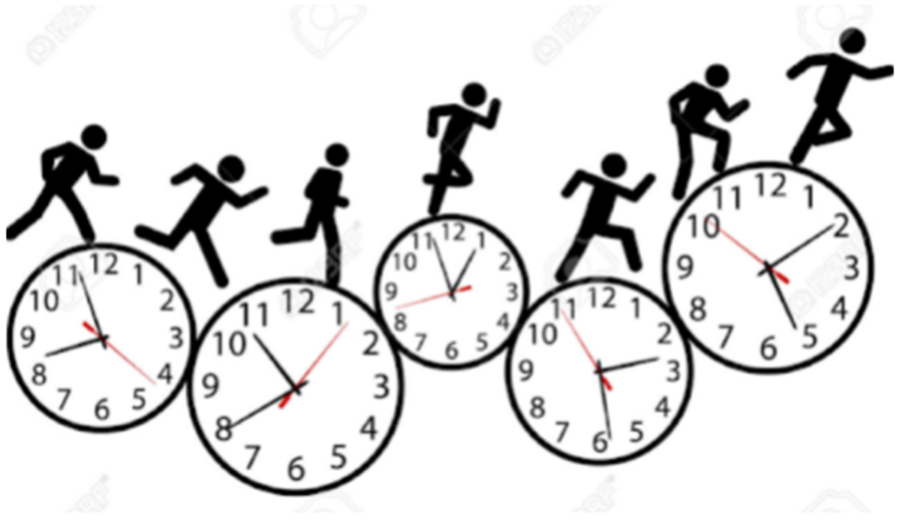
이미 앞서 협상의 마감시간이란 말을 통해, 시간이 협상에서 얼마나 중요한지를 잠깐 언급한 바가 있다. 그만큼 시간을 어떻게 생각하며, 어떻게 사용하느냐는 것은 협상에서 매우 중요한 영향을 주는 변수이다. 이는 시간에 대해 융통성을 가지고 있는 사람이 융통성을 가지지 못한 사람보다 더 유리하기 때문이다.
따라서 상대방은 나의 마감시간을 알고 있는데, 내가 상대방의 시간을 모르고 있다면, 당연히 상대방이 유리할 것이다. 그러므로 나의 마감시간이 드러나지 않도록 조심하고, 상대방의 마감시간을 알아내도록 노력해야 한다. 만약 상대방이 시간에 대해 아무런 부담감이 없는 듯한 태도를 보이더라도, 무관심한 척하고 있는 것이 좋으며, 가능하면 마감시간을 맹목적으로 따를 필요는 없다. 본질적으로 마감시간도 자기 스스로 만들어 내는 것이기 때문이다.

——————————–
Power: Previously, I discussed the five sources of power: reward power, coercive power, legitimate power, referent power, and expert power. However, these powers emerge in situations where a transaction has already taken place; they are not necessarily the power needed to initiate a negotiation.
Of course, you can promise rewards based on sales or threaten penalties if things don’t go well (reward power), emphasize legal aspects and legitimacy (legitimate power and referent power), or demonstrate research results and expertise (expert power).
However, negotiations are like an iceberg, with much hidden beneath the surface. Inexperienced negotiators focus only on visible issues, but successful negotiators consider the unseen aspects of the negotiation, like the majority of the iceberg beneath the water. Depending on the situation, various unseen powers can be appropriately used, such as:
- Creating competition by implying there are other potential deals or acting unconcerned.
- Showing the potential to take risks or demonstrating persistence and tenacity.
- Utilizing connections if you have them.
- Understanding what the other party wants in advance and emphasizing your ability to meet those desires.
- If negotiations become difficult, making the other party invest time, money, and effort.
- Forming emotional connections or appealing to morality.
Information: Decisions must be based on facts and information. You need to secure accurate information about the other party’s products, their future needs, their current weaknesses, and deadlines. However, it is often difficult to obtain accurate information about the other party. This is because negotiations are frequently seen as isolated or coincidental events.
Most information is gathered during negotiations, leading to poor preparation and a higher chance of disadvantage. Thus, it’s best to collect information calmly and consistently as early as possible.
If it is difficult to gather information, the best method is to ask many questions during the exploratory phase before negotiations. The key is to subtly lead the other party to reveal both visible and hidden information. Most cosmetics salespeople talk extensively about their company and products, but it is more important to understand who they are first.
Time: I have briefly mentioned how critical time is in negotiations through the concept of a deadline. How you perceive and use time greatly impacts the negotiation, as those who are flexible with time have an advantage over those who are not. If the other party knows your deadline but you don’t know theirs, they will naturally have the upper hand.
Therefore, be cautious not to reveal your deadline and strive to find out the other party’s. Even if the other party appears unconcerned about time, it’s better to act indifferent. It’s unnecessary to blindly follow deadlines since they are essentially self-imposed.