브랜드 네임은 기업, 제품, 서비스, 공공기관, 심지어 국가, 도시 등 장소의 핵심 가치와 연상을 타깃 고객들에게 전달하는 기본적인 커뮤니케이션 툴이다. 시간이 지나면서 소비자들은 브랜드 네임을 듣는 순간, 즉시 제품이나 기업을 연상할 수 있게 되므로, 브랜드 아이덴티티는 곧 브랜드 네임으로부터 나온다고 할 수 있다. 그리고 다른 브랜드 아이덴티티 요소들은 시장 환경이나 소비자의 라이프 스타일에 따라 변경할 수 있으나, 브랜드 네임은 절대로 변하지 않는다.
또 한가지 가장 중요한 사실은 브랜드 네임은 상표권을 취득함으로써 기업의 지적재산이 된다는 것이다. 따라서 브랜드 경영은 결국 브랜드 네임 경영이나 다름없다. 지금도 많은 중소기업이나 벤쳐회사에서 브랜드 이름은 중요하지 않고 뛰어난 제품의 성능이나 품질이 중요하다고 믿는 사람들이 존재한다면 다음과 같이 말하고 싶다.
- 롤렉스(Rolex) 시계가 스와치(Swatch) 보다 더 정확한가?
- 몽블랑(Montblanc) 볼펜이 모나미 보다 글씨가 더 잘 써지는가?
- 샤넬 화장품이 미샤 보다 더 피부를 좋아지게 하는가?
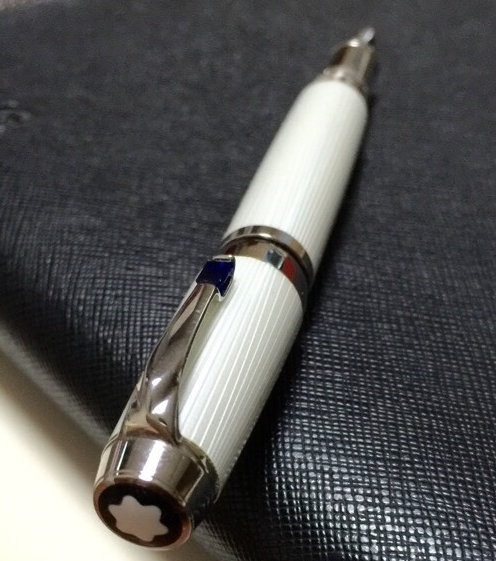
물론 품질이란 가장 기본적으로 이루어져야 하는 당연한 일이지만, 품질이 좋아서 제품이 더 잘 팔리는 것이고, 브랜드가 더 유명해지는 것이 아니다. 따라서 중요한 것은 품질 그 자체가 아니라 ‘지각된 품질(Perceived Quality)’, 즉 어떤 브랜드에 대한 소비자들의 품질인식(Quality Perception in Mind)이 중요한 것이다.
그리하여 세월이 지나 그 제품의 성능이 떨어지고 나면 제품은 사라지거나 성능이 개선되거나, 또는 다른 컨셉으로 바뀔 수도 있지만, 브랜드는 계속 살아 남게 된다. 30년 전의 라네즈와 지금의 라네즈는 분명 다른 제품과 다른 이미지를 가지고 있지만, 여전히 라네즈로 살아 있는 이유이다.
그런데 이처럼 중요한 브랜드 네임을 일반 명사로 짓는 경우가 허다하다. 알 리스와 로라 리스 부녀가 공저한 <22가지 브랜드 불변의 법칙>에서는 “브랜드를 가장 빨리 망치고 싶다면, 그 브랜드에 일반명사 이름을 붙여라” 라고 하였다.
실제로 상표법 제 6조 제1항 제3호를 보면 ‘상품의 산지, 품질, 원재료, 효능, 용도 등을 보통으로 사용하는 방법으로 표시한 표장만으로 된 상표는 상표등록 받을 수 없다’고 규정되어 있다.
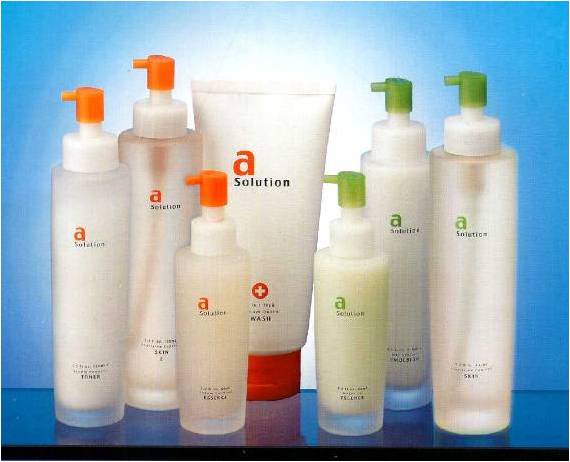
1997년 내가 애경산업에서 만든 여드름 화장품인 에이솔루션(aSolution: Acne Solution)이란 브랜드 네임은 사실 상표권으로 보호받지 못하는 일반명사의 조합으로서, 상표로 쓰기에는 부적합한 것이었다. 이것을 브랜드 네임으로 결정한다는 것은 마케터로서는 절대 해서는 안 될 일이었다.
하지만 에이솔루션이란 이름이 여드름 콘셉트를 매우 잘 전달하고 있었기 때문에, 나는 브랜드가 성공하면 경쟁사도 따라 할 수 있다는 위험에도 불구하고 결국 에이솔루션으로 위험한 결정을 했다. 그 대신 브랜드를 보호하기 위해 택한 방법은 브랜드 로고 디자인에 대한 의장권을 a-Solution부터 z-Solution까지 모두 등록하여 다른 회사에서 비슷하게 따라 하기 힘들게 안전장치를 만든 것이다.
그 결과 다른 아류작들도 없었고 에이솔루션 브랜드는 독창적인 콘셉트에 딱 맞는 브랜드 네임이 소비자에게 브랜드 아이덴티티를 명확하게 전달하였기 때문에, 년 수백억 매출을 이룰 수 있는 중요한 요소가 되었다.
———————————
A brand name is a fundamental communication tool that conveys the core values and associations of a company, product, service, public institution, and even a country or city to target customers. Over time, consumers can instantly associate a brand name with a product or company upon hearing it, meaning that brand identity essentially stems from the brand name. While other brand identity elements can change with market conditions or consumer lifestyles, the brand name should never change.
Another crucial fact is that a brand name becomes the intellectual property of the company by acquiring trademark rights. Therefore, brand management is essentially brand name management. To those in many small or venture companies who believe that the brand name is not as important as the superior performance or quality of the product, I would say the following:
- Is a Rolex watch more accurate than a Swatch?
- Does a Montblanc pen write better than a Monami?
- Does Chanel cosmetics improve your skin more than Missha?
Of course, quality is fundamentally important, but it is not the quality itself that makes a product sell better or a brand become more famous. What is important is the ‘perceived quality,’ or the quality perception in the minds of consumers about a brand.
As time passes and the performance of a product declines, the product may disappear, be improved, or be rebranded with a different concept, but the brand continues to survive. This is why Laneige today, with different products and images compared to 30 years ago, still exists as Laneige.
However, there are many instances where such important brand names are created using generic terms. Al Ries and Laura Ries, in their book “The 22 Immutable Laws of Branding,” state, “If you want to destroy a brand quickly, give it a generic name.”
According to Article 6(1)(3) of Korean Trademark Act, a trademark consisting solely of marks indicating, in a common manner, the origin, quality, raw materials, efficacy, use, etc., of a product cannot be registered.
The brand name “aSolution” (Acne Solution), which I created for an acne treatment product at Aekyung Industrial Co. in 1997, was actually an unsuitable choice as a trademark because it combined generic terms that could not be protected as a trademark. Deciding on this as a brand name was something a marketer should never do.
However, because “aSolution” effectively conveyed the acne concept, I took the risky decision to go with it despite the danger that competitors could imitate it if the brand succeeded. To protect the brand, I registered the design rights for the brand logo from “a-Solution” to “z-Solution,” making it difficult for other companies to imitate it.
As a result, there were no copycat products, and the brand name “aSolution,” which perfectly matched its unique concept, clearly communicated its brand identity to consumers, becoming a crucial element in achieving annual sales of hundreds of billions of won.