

강력한 브랜드 파워는 해당 브랜드가 어느 정도의 가치가 있는가를 결정짓고 궁극적으로는 브랜드 자산을 형성한다. 따라서 기업은 브랜드를 단순히 제품을 많이 팔기 위한 마케팅 수단이 아닌, 수익창출을 보장하는 전사적 무형자산으로 인식하고, 장기적으로 브랜드를 구축하려는 노력을 해야만 한다. 즉, 상품명, 심벌 수준을 넘어선 전사적인 전략으로 브랜드를 관리하여, 브랜드 자산의 가치를 높이는 것이 기업이 장기적으로 성장하고 큰 수익을 얻는 길인 것이다.
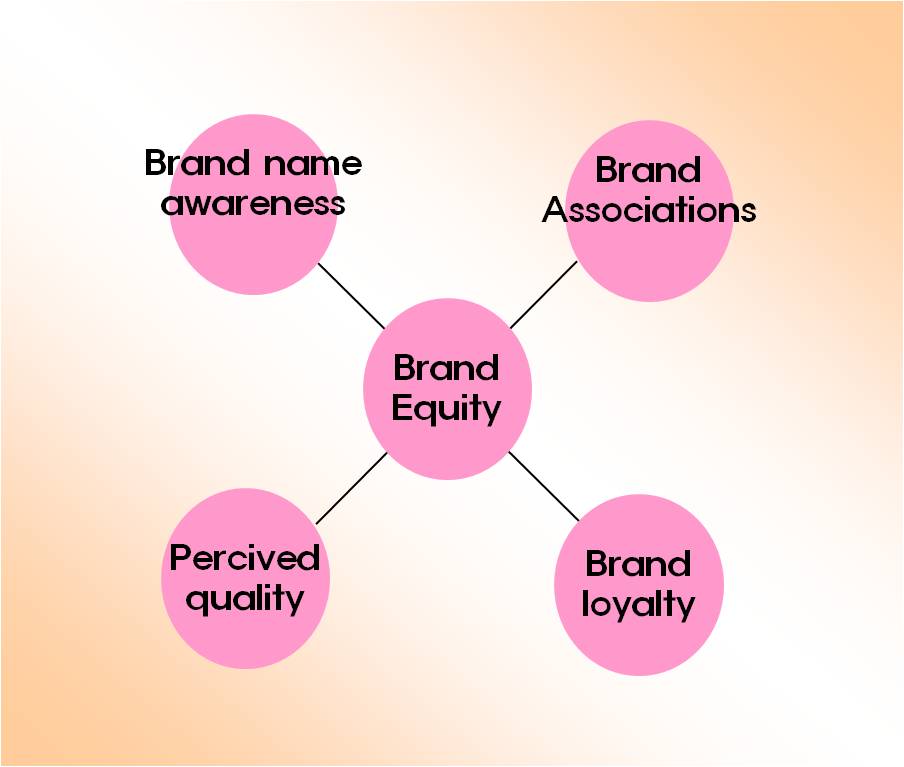
데이비드 아커는 브랜드 자산을 구성하는 주요 영역을 다음과 같은 네 가지로 나누었다.
- 브랜드 인지도(Brand Awareness): 소비자가 한 제품 카테고리에 속한 특정 브랜드를 인식하거나 회상할 수 있는 능력으로서, 브랜드에 대한 소비자의 태도의 강도를 의미한다.
- 지각된 품질(Perceived Quality): 경쟁 브랜드 대비 가격 프리미엄이나 고품질 이미지를 창출하여 마케팅 활동의 효율성을 증대시켜 준다.
- 브랜드 연상 이미지(Brand Association): 브랜드 연상 이미지는 제품의 의미와 브랜드의 의미를 일체화시켜 소비자들에게 특정 제품의 카테고리에서 하나의 브랜드 네임을 떠오르게 한다. 향수 하면 샤넬 No5처럼, 제품 관련 이미지보다 강력한 소비자와 브랜드 관계를 형성시켜, 브랜드 충성도로 진화하게 하는 요소이다.
- 브랜드 충성도(Brand Loyalty): 궁극적으로 모든 브랜드가 도달하려는 최종 목표는 브랜드 충성도가 높은 파워 브랜드가 되는 것이다. 브랜드 충성도를 높이려면 기능적 편익(Functional Benefit)이나 정서적 편익(Emotional Benefit)보다, 한 차원 높은 자아표현적인 편익을 통해서, 브랜드와 고객의 브랜드 이미지가 동일시되도록 브랜드 아이덴티티를 발전시켜야 한다.
나는 이중에서 브랜드 인지도(Brand Awareness)와 지각된 품질(Perceived Quality)에 대해서만 이야기해보고자 한다. 중소기업 입장에서 가장 시급한 것이 브랜드 인지도이고, 품질도 제조사 입장이 아닌 소비자 입장의 사고전환이 필요하기 때문이다.

——————————
A strong brand power determines the value of that brand and ultimately forms brand equity. Therefore, companies should recognize a brand not merely as a marketing tool to sell more products, but as an enterprise-wide intangible asset that guarantees profitability. Companies must make long-term efforts to build their brands. In other words, managing the brand with a company-wide strategy beyond just a product name or symbol is the way for a company to grow and achieve substantial profits in the long run.
David Aaker divided the major areas that constitute brand equity into the following four categories:
- Brand Awareness: The ability of consumers to recognize or recall a specific brand within a product category, indicating the strength of consumers’ attitudes towards the brand.
- Perceived Quality: This creates a price premium or high-quality image compared to competing brands, enhancing the efficiency of marketing activities.
- Brand Associations: Brand associations integrate the meaning of the product and the brand, making consumers think of a brand name within a specific product category. Like Chanel No. 5 for perfume, it forms a stronger consumer-brand relationship than product-related images, evolving into brand loyalty.
- Brand Loyalty: Ultimately, the final goal for all brands is to become a powerful brand with high brand loyalty. To increase brand loyalty, companies should develop brand identity so that the brand and the customer’s brand image become synonymous, through self-expressive benefits that are higher than functional or emotional benefits.
Among these, I would like to discuss only Brand Awareness and Perceived Quality. From the perspective of small and medium-sized enterprises, brand awareness is the most urgent, and a shift in thinking from the manufacturer’s to the consumer’s perspective is needed for perceived quality.
4o