

왜 ‘동이’가 변방의 오랑캐로 폄하되었을까요? 그 배경으로 화하족과 동이족의 정치적 대결을 들 수 있습니다. 이른바 화하족이라 불리는 중국 한족의 조상은 밖으로는 북쪽 흉노의 위협을 받았고, 안으로는 살기 좋은 조건을 갖춘 동쪽 황하 유역에 자리 잡은 동이족과 삶의 터전을 놓고 쟁탈전을 벌였던 것입니다.
서양의 트로이 전쟁에 빗대어 일컬어지는 탁록 대전은 지금부터 약 4,700년 전 동방 종주국 배달의 치우천황과 이에 대항한 서방 헌원 세력의 대결로 시작되었습니다. 제후의 위치에 있던 헌원이 천자가 되겠다는 야망을 품고 군사를 일으켜 천자인 치우천황에게 도전했습니다. 10년간 73회의 치열한 공방전을 벌인 끝에 전쟁은 치우천황의 승리로 끝났습니다. 치우천황의 쇠로 만든 투구와 갑옷은 서방족에게 두려움의 대상이 되어 후대에 동두철액(銅頭鐵額)이라는 기록을 남겼습니다.
탁록 대전에 대해, 태백일사-삼한관경본기는 이렇게 밝히고 있습니다.
‘이때 헌구(황제헌원)가 불복하므로 치우천황께서 친히 군사를 거느리고 탁록에서 대전쟁을 벌이셨다.’
전투에서 대승을 거두고 헌원을 사로잡아 신하로 삼은 치우천황은 동방 무신의 시조, 兵主가 되어 수천 년 동안 동방 배달족은 물론 서방 한족에게까지 숭배와 추앙의 대상이 되었습니다. 치우천황과 황제헌원 사이의 전쟁에 얽힌 역사의 진실은 바로 이러한 것입니다. 그러나 사마천은 사기-오제본기에서 사실과 반대로 기록하였습니다.
‘신농씨의 나라가 쇠하여 제후들이 서로 다툴 뿐만 아니라 백성들을 사납게 짓밟았으나, 신농씨는 이를 휘어잡지 못하였다. 이때 헌원이 무력으로 제후들을 치니 모두 와서 복종하였다. 그러나 치우가 가장 사나워 칠 수가 없었다. 염제가 제후들을 침탈하려 하자 제후들이 헌원에 귀의하였다. 이때 치우가 복종하지 않고 난을 일으키므로 헌원은 여러 제후를 불러 모아 탁록의 들에서 치우와 싸웠다. 드디어 치우를 사로잡아 죽이고 제후들이 헌원을 높이므로 신농씨를 대신하여 천자가 되었다.’
이렇게 사기에는 황제헌원이 난을 일으킨 치우를 죽이고 전쟁에서 승리한 것으로 왜곡시켜 기록하고 있습니다. 여기서 황제헌원과 그 족속(화하족)은 치우천황과 그 족속(동이족)에게 패하였기 때문에, 그들은 물론 그 후손들이 치우와 동이족에 대한 공포와 적개심을 품었다는 것을 짐작할 수 있습니다.
화하족은 2,300여 년 동안 황하 중, 상류에 머물러 있을 수밖에 없었습니다. 그러다가 진시황에 이르러 강력한 힘을 길러 동진을 거듭하여 중원 전체를 화하족의 확실한 터전으로 만드는 통일을 달성하였습니다. 동이족을 변방으로 밀어내거나 무자비하게 숙청하고 동화시켜 통일제국을 이룬 것입니다. 이 秦나라의 유래를 살펴보면 동이에 대한 단서를 발견할 수 있습니다.
[송사]<인도전>에 의하면, 옛날 인도 사람들이 진을 그 음에 따라 ‘지나支那라 하고 진시황을 지나 황제라 하였는데 이를 따라서 외국 사람들도 중국을 지나라 불렀습니다. 불교의 여러 책에서도 진나라는 지나로 기록되어 있는데, 진나라를 진단국 혹은 진단 나라라 일컫기도 하였습니다. 현대 중국학자 장싱량은, “진나라가 목공 이후에 서융에서 패권을 잡았다. 그 나라 이름이 간접으로 서역에 전해지고 인도로 들어가 드디어 ‘지나’가 되었는데 이 지나는 진나라 라는 뜻이다 라고 하였다”
그러면 어찌하여 진이라 하였는가? 태호복희의 팔괘 그림에서 진震괘는 이괘와 곤괘 사이에 있습니다. 그런데 이괘는 동녘을, 곤괘는 북녘자리를 차지하고 진괘는 동녘과 북녘사이를 차지합니다. 우리 배달 나라가 동아시아의 동북에 있는 까닭에 아득한 옛적부터 배달 나라를 진괘를 따라 震 또는 이라 하였습니다. 이를 통해 진나라 사람들이 배달, 동이겨레의 후손이므로 아득한 예로부터 자기네 조상들이 살던 ‘진’또는 진단을 따서 나라 이름을 진秦이라 하였을 것이라는 결론이 나옵니다.
그렇다면 왜 동이가 오랑캐라는 뜻으로 바뀌어 쓰이게 되었을까요?
화하족은 동이를 대인으로 우러러보면서도 계속되는 동이족의 정복정책에 시달려 나중에는 동이라는 이름만 들어도 두려움에 떨게 되었습니다. 그리고 자연히 동이족에 대한 적개심이 쌓여 동이의 뜻을 오랑캐로 바꾸어 해석하게 되었을 것입니다.
특히 한 무제 때 사마천은 중국 최초의 정사인 [사기]를 저술하면서 동이족 역사를 뿌리부터 왜곡하였습니다. 그리고 중화사관의 핵심인 중화의식을 처음 표방한 것은 周나라 였습니다. 주나라가 동이족이 세운 상나라를 멸망시킴으로써 갑자기 중국에는 화하족 시대가 열리게 되었고, 이때부터 화하족이 본격적으로 동이족을 압박하기 시작하였습니다.
그런데 이렇게 동이와 대립되는 화하는 어디서 유래한 것일까요?
周족은 서쪽에서 기원하여 활동하다가 후에 중원을 차지하였습니다. 이 주족은 자신들의 국토를 時夏라 부르고 자민족을 제하諸夏라 칭했습니다. 후에 하자 앞에 화자를 더하니 이로써 화하라는 민족 명칭이 생겨난 것입니다. 이 명칭은 수천 년이 지난 오늘날까지도 중국인의 자부심의 상징이 되고 있습니다.
중국학자 장타이옌은 이 하란 이름이 夏水라는 강물 이름에서 비롯되었다고 말합니다. 화, 하라는 이름은 주나라 무왕 때에 “화.하와 만맥이 따라 오지 않음이 없다”라 한 말에서 처음 나타났습니다. 린후이샹은 “‘하’라는 글자가 [순전]에서 처음 나타났고 또 ‘화’라는 글자는 [춘추좌전]에 처음으로 사용되었다”라고 하였습니다.
위의 내용에 따르면 화하라는 단어는 춘추시대 이래 유행하기 시작하였는데 ‘하’자의 뜻은 분명 우하禹夏의 하와 같고 부족의 관념에 국한되지 않습니다. 다시 말해 중원 민족의 문화공동체가 성숙되고 확립되는 시대에 이 ‘하’는 그러한 공동체의 별칭이 되었고 따라서 전에 부르던 하부족만 가리키지 않게 된 것입니다. 그 정치적 의미는 중원 왕조를 가리키고, 민족적 의미는 ‘중국 사람’을 가리키며, 문화적 의미는 중원 문화를 가리킵니다. 따라서 제하는 당시의 ‘전 중국’, ‘중국의 전 민족’을 대표하게 되었습니다.
하 왕조는 중국 최초의 왕조이기 때문에 오랜 세월 동안 계속 중원을 ‘하’라고 불렀습니다. 周가 중원의 중인이 된 이후에도 사방의 ‘만이蠻夷’(특히 동이)와 차별을 두기 위해 여전히 ‘하’란 호칭을 사용하였습니다. 그런데 [사서석지]3 속권 하에는 “3대(하.상.주)이후에는 화와 이를 구별하였지만 3대 이전에는 화와 이가 정해진 구분이 없었다”라는 내용이 나옵니다. 이것은 중화와 동이를 구분하여 존화양이를 내세운 것은 후대의 일이고, 본래는 중국에 화와 이의 구분이 따로 존재하지 않았다는 사실을 말해 줍니다.
이처럼 서주 세력은 이족을 몰아내고 중국의 집권세력으로 등장하면서 자신들의 정통성을 내세우기 위해 화이 개념을 만들어 냈습니다. 이후 화이 개념은 춘추시대 공자에 의해 확고하게 뿌리를 내리게 되었습니다. 동이의 진면목을 찾아내어 세상에 처음 알린 청나라는 역시 동이에 속하는 만주족이 세운 나라였습니다. 청나라는 중국의 마지막 왕조이면서 만주족의 국가이므로 중국인의 해묵은 동이 관을 객관적 입장에서 면밀히 들여다 볼 수 있었습니다.
청나라는 한족학자들의 거센 반청사상을 근본적으로 차단하려고 ‘사고전서’라는 대규모의 국가적 편찬사업을 추진, 완성하였습니다. 7만9천여 권에 달하는 사고전서 경부에는 총 491권에 736군데, 사부에는 총 563권에 915군데, 자부에는 총 497권에 689군데, 집부에는 총 278권에 308군데에 걸쳐 동이라는 용어가 2,648번 등장합니다. 이 사고전서를 보면 중국 한족 역사의 실체를 알 수 있고, 또 중국 문화의 근원적 뿌리를 동이가 세웠다는 것을 알 수 있습니다.
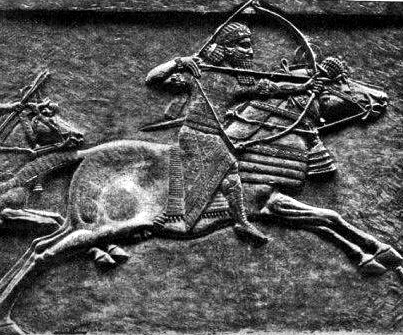
위에서 중국 왕조사의 혈통과 그 문화를 민족의 관점에서 간략히 살펴보았습니다. 그런데 그 결론은 무엇일까요? 그것이 동이가 동방 문화의 뿌리요, 근원이라는 사실입니다. 동이는 큰 활을 쏘며 웅대한 역사의 가상을 떨친 동방 군자 나라를 건설한 주인공이었습니다. 여기서 우리는 후기 중국 사회에서 통상적으로 말하는 동이, 서융, 남만, 북적이 서로 다른 별개의 종족이 아니라 본래 동일한 하나의 이족이 발전하여 사방의 이 즉 四夷가 되었다는 것을 알 수 있습니다.
동이는 원래 어느 한 지역에 국한된 것이 아니라 전 중국에 걸쳐 사방에 골고루 분포되어 살았는데 나중에 화하족이 중국의 집권세력으로 등장하면서 동방에 사는 이를 동이, 서방에 사는 이를 서융, 남방에 사는 이를 남만, 북방에 사는 이를 북적이라 폄하하여 부르게 된 것입니다. 동이 구족은 사방에 분포되어 살았습니다. 따라서 한마디로 통틀어 말하면 동이, 구체적으로 말하면 구족, 분포상황을 중심으로 말하면 이(四夷)가 되는 것입니다.

—————
Why was the term “Dongyi” degraded to mean borderland barbarians? The root cause can be traced to the political struggles between the Huaxia and Dongyi tribes. The ancestors of the so-called Huaxia people, recognized today as the Han Chinese, faced external threats from the Xiongnu in the north and engaged in fierce territorial disputes with the Dongyi tribes in the fertile eastern Yellow River basin.
A pivotal moment in this conflict, often compared to the Trojan War of the West, was the Battle of Zhuolu around 4,700 years ago. This confrontation pitted Chiwoo, the sovereign of the eastern Baedal kingdom, against the western coalition led by Huangdi. Chiwoo, a vassal-turned-aspiring ruler, initiated a prolonged conflict to challenge Huangdi’s sovereignty. After 10 years and 73 fierce battles, the war concluded with Chiwoo’s decisive victory. Chiwoo’s iron helmets and armor struck fear into the western tribes, earning him the epithet “Bronze-headed, Iron-foreheaded” (銅頭鐵額) in historical records.
The Taebaek Ilsa – Samhan Gyeong Bonki recounts this great war:
“When Huangdi (Xuanyuan) resisted, Chiwoo personally led his army to engage in a major battle at Zhuolu.”
Emerging victorious, Chiwoo captured Huangdi and made him his vassal. He was then venerated as the god of war (兵主), earning the reverence of both the eastern Baedal tribes and the western Han Chinese for millennia. However, the historical truth of this war was distorted in the Records of the Grand Historian (Shiji) by Sima Qian.
The Shiji Basic Annals of the Five Emperors states:
“The Shennong clan declined, and feuding vassals trampled on the people. The Shennong clan could not control them. At this time, Huangdi subdued the vassals by force, and they all submitted. However, Chiwoo was the most ferocious and uncontrollable. When Yandi sought to subjugate the vassals, they rallied to Huangdi. Chiwoo refused to comply and rebelled. Huangdi gathered the vassals, fought Chiwoo on the fields of Zhuolu, captured him, and executed him. The vassals then elevated Huangdi, making him emperor to replace Shennong.”
This narrative falsely portrays Huangdi as victorious over Chiwoo. Such distortions suggest the Huaxia people, having been defeated by the Dongyi, harbored deep-seated fear and hostility toward Chiwoo and his descendants.
The Huaxia tribes were confined to the mid-upper Yellow River for approximately 2,300 years. It was not until Qin Shi Huang’s reign that they amassed the strength to expand eastward, unifying the central plains and establishing a firm foothold. This unification saw the marginalization, assimilation, or violent suppression of the Dongyi, paving the way for the Qin Empire. The very name “Qin” provides clues about the Dongyi.
The Song Shu Records of India notes:
“In ancient times, Indians referred to Qin as ‘Zhina,’ based on its phonetics, and Qin Shi Huang was called the ‘Zhina Emperor.’ Foreigners followed this example, calling China ‘Zhina.’ Buddhist scriptures also reference Qin as ‘Zhina,’ sometimes calling it the ‘Land of Jin’ or ‘Land of Zhendan.'”
Chinese scholar Zhang Xingliang wrote:
“After Duke Mu of Qin, the Qin state dominated the western Rong. Its name spread indirectly to the West, reached India, and became ‘Zhina,’ signifying Qin.”
Why then was the state called Qin? The “Zhen” (震) trigram of Fuxi’s Eight Trigrams lies between the “Li” (離) and “Kun” (坤) trigrams, corresponding to the east and north respectively. Positioned in Northeast Asia, the Baedal kingdom identified with the Zhen trigram, calling themselves “Jin” (震) or “Zhen.” Consequently, the Qin rulers, descendants of Baedal and the Dongyi people, likely named their state Qin in homage to their ancestral land.
The Huaxia tribes initially revered the Dongyi but grew to fear their military campaigns. This fear bred hostility, eventually leading to the reinterpretation of “Dongyi” as barbarians. The Han Emperor Wu and historian Sima Qian cemented this perception, distorting Dongyi history in the Shiji. The concept of Zhonghua (central civilization) began with the Zhou dynasty, which overthrew the Shang dynasty—a state founded by the Dongyi—thus ushering in an era of Huaxia dominance. The Zhou rulers systematically pressured the Dongyi, redefining themselves as the legitimate heirs of Chinese civilization.
The Zhou people, originating in the west, later conquered the central plains. They referred to their land as “Shixia” and themselves as “Zhexia” (諸夏). Adding the prefix “Hua” (華), they coined the term “Huaxia.” This name, first recorded during the Zhou dynasty, became a symbol of Chinese pride. Chinese scholar Zhang Taiyan traced “Xia” to the Xia River, while Lin Huixiang noted that “Hua” first appeared in the Spring and Autumn Annals. Over time, “Xia” grew beyond its original tribal connotations, representing the cultural and political entity of the central plains.
The Dongyi people laid the foundation of Eastern civilization. They were a unified people, spreading across China as the “Four Barbarians” (Siyi)—Dongyi in the east, Xirong in the west, Nanman in the south, and Beidi in the north. These labels emerged as the Huaxia tribes rose to power, marginalizing the Dongyi across the four cardinal directions.
The Qing dynasty, established by the Manchu—a branch of the Dongyi—shed new light on Dongyi history. To counter anti-Qing sentiment, they compiled the Siku Quanshu, containing 2,648 references to the term “Dongyi,” exposing the roots of Chinese civilization in Dongyi contributions.
The term “Dongyi” embodies the profound legacy of Eastern culture. Far from being a derogatory label, Dongyi represents the builders of a noble and expansive civilization, the architects of a “gentlemen’s nation” in the East. As political and cultural dominance shifted, their identity was fragmented into labels like 4yi. Yet, their influence endures, shaping the essence of Chinese civilization and beyond.