

20세기에 들어서서 유물의 과학적 연대 측정이 가능해진 가운데, 뜻밖에도 중국의 동북 변방인 요하 지역에서 황하문명 보다 더 오랜 홍산 문화가 발견되었습니다. 중국은 홍산 문화를 중국 문화로 편입시키기 위해서 ‘다민족 역사관’이라는 방안을 내놓았습니다. 그러나 다민족 역사관만으로는 중국의 시원 문제를 해결할 수 없었습니다.
그래서 중국은 자신들 역사의 시원을 더 오랜 옛날로 끌어올리기 위해 먼저 하상주단대공정(중국 고대 하, 상, 주 시대의 연표를 정리하기 위한 정부 주도의 정치적 연대학 연구 사업)을 시행하여 중국 고대사에 공백으로 남아 있던 3대 왕조. 하.상.주 의 연대를 확정하였습니다.
그 후 2003년 부터는 신화시대로 알려진 삼황오제 시절을 실재한 왕조로 만드는 중화 고대문명탐원공정을 진행하였습니다. 이 공정은 하상주단대 공정보다 한 술 더 떠서, 중국 역사의 시발점을 1만 년 전으로 끌어 올려 중화 문명을 ‘세계 최고 문명으로 만들기 위한 계책입니다.
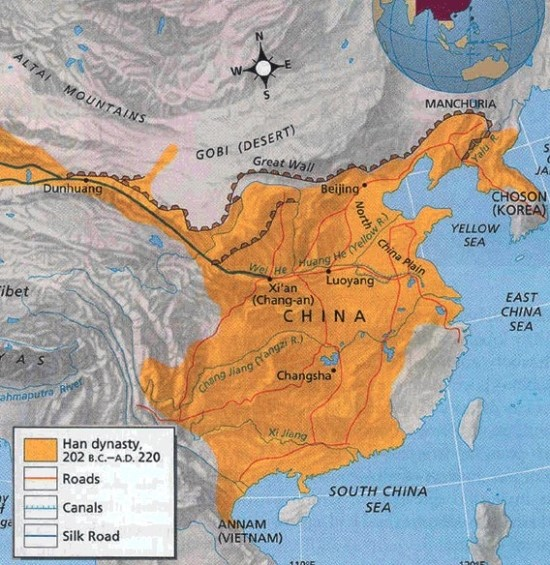
이 탐원공정의 일환으로 중국은 동방 문명의 주인공인 한민족의 북방 역사를 중국사에 편입시키려는 정치 공작을 벌였습니다. 그것이 바로 동북공정입니다. 동북공정은 과거 2천여 년 동안 행한 동북아 역사 왜곡의 완결판이라 할 수 있습니다. 동북공정의 목적은 만주와 요동의 역사를 중국사로 편입시키는 것입니다. 동북공정은 2007년에 공식 종료되었습니다.
하지만 중국은 역사 왜곡 작업을 끊임없이 계속하고 있습니다. 한경대 윤휘탁 교수는 중국이 행하는 역사왜곡에 대응하기 위하여 2012년 6월 국제고려학회가 주최한 학술대회에서 “동북공정은 2007년 5월에 종료된 것이 아니라 새로운 패러다임으로 바뀌어 계속 추진되고 있습니다”라고 지적하였습니다.
한국 등 주변국의 반발을 의식해 동북공정의 주도 기관을 중앙정부 산하 기관으로 바꿨을 뿐 역사 왜곡 작업은 계속 진행 중이라는 것입니다. 실례로, 길림성은 기관지인 (동북사지)를 동북공정이 끝난 뒤에도 계속 간행하는데, 이 책에는 중국의 정책 방향에 따라 왜곡된 한국 고대사 관련 논문이 많이 실립니다.
요령성은 2008년에 고구려 연구중심이라는 조직을 설립하여 고구려사 연구를 오히려 강화하였습니다. 역사 왜곡의 범위도 기존의 고구려사와 발해(대진) 역사에서 고조선사로 확대하고 있습니다.
고조선사를 중국사에 편입시키기 위해 중국은 요하문명론을 내세웁니다. 우석대 조법종 교수는 ‘요하문명론에 대해 만주 일대의 고대 역사를 중국역사에 편입하는 것을 기본 골격으로 하고 있다’고 하면서, 중국은 요하문명론을 바탕으로 하여 북방의 모든 소수민족은 황제헌원의 자손이라는 논리를 만들어내고 있다고 분석하였습니다.
현재 중국은 요령성박물관에 요하문명전을 상설 전시하며 이 같은 논리를 지속적으로 전파하고 있습니다. 이 전시에 대해서도 조 교수는 중국은 비파형 청동검과 고인돌로 대표되는 한국의 청동기 문화를 중국 문명으로 바꾸어 전시하여 한국 고대 문화의 토대를 제거하는 만행을 저지르고 있다‘고 지적하였습니다.
이렇게 중국이 만주와 요동의 역사를 중국사로 변조시키는 진정한 의도는 무엇일까요? 그것은 남.북한의 통일에 대비하여 동북 3성에 대한 연고권을 주장할 근거를 미리 만들어 두겠다는 것입니다.
한국이 통일되더라도 한국의 역사 무대를 한반도 안으로 한정시키고, 중국이 만주 일대의 확고한 주인이 되어 동북아 전체의 맹주가 되고 더 나아가 미국을 앞지르는 세계 일등국으로 비상하려는 의도입니다. 결론적으로 말하면 동북공정은 중국 중심의 21세기를 만들려는 야심의 표현인 것입니다.

————-
With the advent of scientific methods for dating artifacts in the 20th century, the Hongshan culture, which predates the Yellow River civilization, was unexpectedly discovered in the Liao River basin, a northeastern frontier of China. In response, China proposed the concept of a “multi-ethnic view of history” in order to incorporate Hongshan culture into Chinese civilization. However, this perspective alone was insufficient to resolve the issue of China’s historical origins.
To extend the origins of its history further back, China first initiated the “Project for Dating the Xia, Shang, and Zhou Dynasties” (夏商周斷代工程), a government-led political-chronological project to establish a timeline for these ancient dynasties, previously lacking chronological clarity in Chinese historiography.
Subsequently, in 2003, China launched the “Chinese Civilization Origin Exploration Project” (中華古代文明探源工程) to transform the mythological era of the Three Sovereigns and Five Emperors into actual historical dynasties. This project went even further than the Xia-Shang-Zhou Dating Project by pushing the origins of Chinese history back to 10,000 years ago, aiming to elevate Chinese civilization as the oldest in the world.
As part of this initiative, China undertook a political maneuver to incorporate the northern history of the Korean people, who played a central role in Eastern civilization, into Chinese history. This maneuver is the so-called Northeast Project. The Northeast Project represents the culmination of over two thousand years of historical distortion in Northeast Asia. Its primary goal is to incorporate the histories of Manchuria and the Liaodong Peninsula into Chinese history. Although it officially ended in 2007, the distortion of history continues.
Professor Yun Hwi-tak of Hankyong National University pointed out at a 2012 academic conference hosted by the International Goguryeo Research Society that “the Northeast Project did not end in May 2007, but continues under a new paradigm.” In other words, while the leading body was changed from a central government agency to a different institution to mitigate backlash from surrounding countries like Korea, the historical distortion efforts persist.
For example, even after the official end of the project, Jilin Province continues to publish its journal Northeast History (Dongbeo Saji), which contains numerous distorted papers about ancient Korean history in line with Chinese policy. Liaoning Province also established a “Goguryeo Research Center” in 2008 to intensify research on Goguryeo history.
Moreover, the scope of historical distortion has expanded beyond Goguryeo and Balhae (Daejin) to include Gojoseon. To absorb Gojoseon history into Chinese history, China promotes the “Liaohe Civilization Theory.” Professor Jo Beop-jong of Woosuk University analyzed that the core structure of this theory is to absorb the ancient history of the Manchurian region into Chinese history, asserting that all northern ethnic minorities are descendants of the Yellow Emperor Xuanyuan.
Currently, the Liaoning Provincial Museum hosts a permanent exhibition on the Liaohe Civilization, continuously disseminating this narrative. According to Professor Jo, this exhibition transforms Korea’s Bronze Age culture—represented by dagger-shaped bronze swords and dolmens—into Chinese civilization, thus committing the egregious act of erasing the foundations of ancient Korean culture.
What is the true intent behind China’s efforts to rewrite the history of Manchuria and Liaodong? It is to prepare a basis to claim historical ties to the three northeastern provinces (Dongbei San Sheng) in the event of Korean reunification.
By confining Korea’s historical stage to the Korean Peninsula and positioning itself as the rightful owner of Manchuria, China seeks to dominate Northeast Asia and ultimately surpass the United States to become the world’s leading power. In conclusion, the Northeast Project is an expression of China’s ambition to establish a China-centered 21st century.