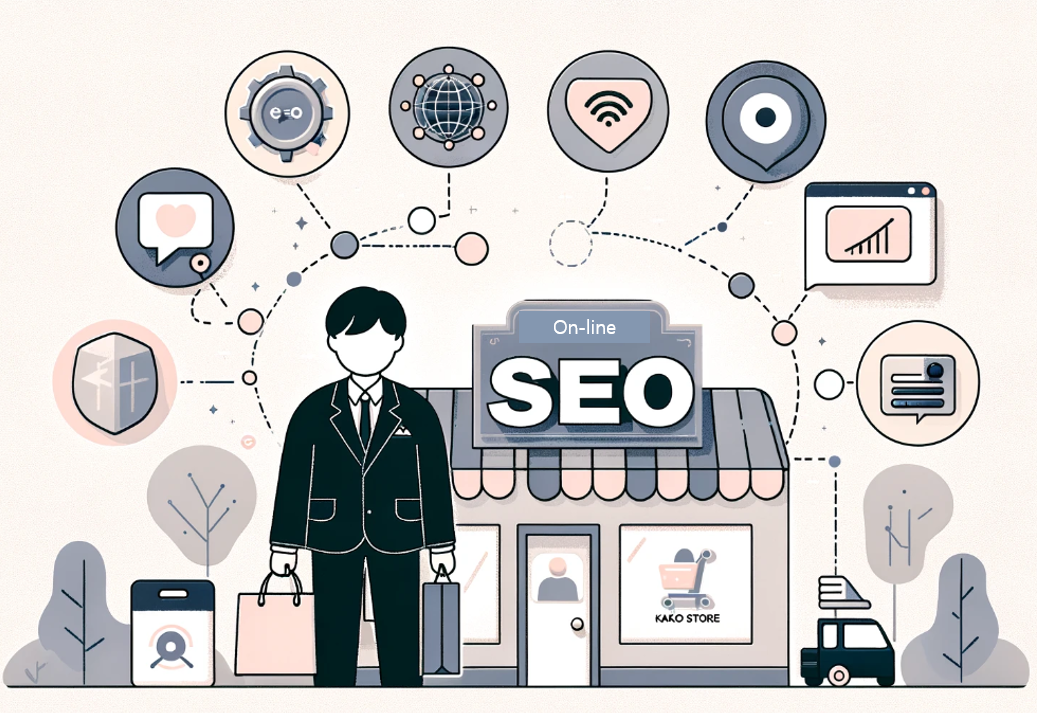
자사몰은 브랜드 스토리와 아이덴티티를 전략적으로 고객에게 반영하며, 고객과의 장기적인 관계를 구축할 수 있는 공간이다. 이를 위하여 대부분의 회사에선 자사몰이 검색에서 상위에 어를 수 있도록 검색엔진 최적화(SEO: Search Engine Optimization)를 하며, 트리플 미디어 믹스 전략에 의해 SNS에서 고객과의 커뮤니케이션을 통해 브랜드를 알리고, 돈을 들여 인플루언서 마케팅이나 타깃팅 광고를 해서 고객을 자사몰에 유입하려고 노력을 기울이고 있다.
하지만 자사몰을 성공시키는 일은 직원 한두 사람의 노력으로 되기가 쉽지 않다. 그래서 결국 또 애써 벌은 돈을 마치 광고에 중독된 사람처럼 습관적으로 지출하기를 반복하다가, 돈은 안 남고 괜히 남 좋은 일만 시키는 것 아닌가 하는 느낌에서 헤어나오지 못하게 된다. 나는 이를 광고의 딜레마에 빠졌다고 얘기하고 싶다.
그래서 전문 대행사가 필요한 것이다. 처음엔 광고대행사가 가져가는 수수료가 아까울 수도 있다. 하지만 대행사를 관행처럼 ‘갑을관계’로 경시하면 안되고, 사업의 성과를 위해 함께 최전선에서 뛰는 감사한 파트너로 여겨야 한다. 그후 어느 정도 브랜드 인지도가 쌓이면, 결국 광고대행사가 돈을 벌어주는 사람들이란 사실을 명심해야 할 것이다.
그렇다고 무조건 대행사 말을 맹목적으로 믿을 수는 없다. 이 사업을 가장 잘 아는 사람은 바로 CEO 자신이며, 디지털 마케팅에서도 회사의 경영자로서 마땅히 주도자의 역할을 해야 한다. 그래서 CEO는 초기 광고비를 비용이라는 개념보다는 브랜드 자산을 구축하기 위한 투자라는 개념으로 ‘광고투자’라는 말로 접근하길 바란다.
따라서 기업의 CEO 또는 관리자는 자사몰을 운영하면서, 다음과 같은 사항들을 반드시 잊지 말고 매일 하루의 습관처럼 체크하면 좋을 것이다.
- Let Data Talk: 앞서 신제품 개발에서도 말한 바가 있지만 디지털 마케팅에서는 더욱 개인의 감이 아니라, 데이터 중심적인 사고방식으로 일을 해야 한다. 특히 자사몰을 직접 운영하는 이유 중의 하나는 고객의 구매경험의 히스토리를 데이터로 분석할 수 있기 때문이다.
그중 페이스북이나 인스타그램 및 구글검색을 통해 들어오는 고객에 대한 추적은 자사몰에서만 가능하다. 네이버 스마트 스토어에 유입되는 고객은 SNS나 구글광고를 통해 들어왔는지 여부를 추적하기가 어렵다. 그래서 네이버 검색이나 광고는 스마트 스토어로 랜딩 하도록 하고, 구글검색이나 SNS는 자사몰로 랜딩 하도록 나누는 것이 좋다. 그래야만 정확히 데이터를 통해 고객유입과 구매전환율을 분석할 수 있다.
내가 최근에 근무했던 M사는 한달에 3억원을 디지털 광고비로 사용함에도 불구하고, 이런 일을 하지 않았다. 모든 광고비가 오직 네이버 스토어로만 집중된 것이다. 그렇기 때문에 구글검색광고나 SNS 광고비에 대한 효율성은 평가조차도 할 수가 없었다. 이는 오직 CEO 한 명의 고집 때문이었는데, 그는 직원들의 충고에도 말을 듣지 않고 자신만의 고집을 지난 1년간 지켜왔다고 했다.
그러니 내가 입사했을 때는 광고비를 많이 쓰는데도 매출이 증가하지 않는 일이 발생한 것이다. 내가 마케팅 팀장에게 이유를 물었지만, 그는 아무런 대답을 하지 못했다. 아무런 분석 없이 오직 한 사람에 의해서 비용이 집행되었기 때문이다. 그후 나는 한 달간 논리적으로 CEO를 설득해서, 간신히 네이버 스토어와 자사몰로 광고예산을 분배할 수 있게 되었다.
대부분이 고객을 구매하도록 설득하는 일에 중점을 둘 뿐, 구매 후에 일어나는 소비경험에 대해 거의 신경을 쓰지 않고 있다. 고객이 참여하고 겪는 과정에서 발생하는 경험은 자사몰이 아니면 세밀하게 관찰하고 분석하기 어렵기 때문에 자사몰이 중요한 것이다.
이젠 고객에게 가치 있는 경험을 제공하는 것이 더욱 중요하다. 그러기 위해서는 자사몰에 들어온다거나 구매전환을 한다는 것이 고객에게 어떤 의미를 주는 지를 철저히 분석해야 한다. 그런데 광고를 자사몰로 연결시키지 않는다면, 앞서 말한 M사처럼 이런 분석을 할 수도 없는 것이니, 마케팅 팀장의 잘못을 탓할 수도 없을 것이다.
——————————-
Building Long-Term Customer Relationships through an Owned Store
An owned store strategically reflects the brand story and identity to customers, building long-term relationships. To achieve this, most companies employ Search Engine Optimization (SEO) to rank higher in search results, use a triple media mix strategy to communicate with customers through SNS, and invest in influencer marketing and targeted advertising to drive traffic to their online store.
However, succeeding with an owned store is not easy with just one or two employees’ efforts. As a result, companies often end up habitually spending money on advertising like an addiction, without seeing profits, and feeling like they are only benefitting others. This situation can be described as falling into the “advertising dilemma.”
This is why a professional agency is needed. Initially, the commission taken by an advertising agency might seem wasteful. However, it’s crucial not to undervalue the agency as a mere subordinate but to view them as valuable partners working at the forefront to achieve business success. Once the brand gains some recognition, remember that the advertising agency helps generate profits.
That said, blindly trusting the agency is not advisable. The CEO, who knows the business best, should play a leading role in digital marketing. Therefore, the CEO should consider initial advertising expenses not as costs but as investments to build brand assets, approaching it as “advertising investment.”
Thus, CEOs or managers should habitually check the following while operating an owned store:
Let Data Talk: As mentioned in product development, digital marketing requires a data-centric mindset rather than relying on personal intuition. One reason for directly operating an owned store is the ability to analyze customer purchase history data.
Tracking customers entering through Facebook, Instagram, or Google search is only possible with an owned store. It’s challenging to track whether customers entering Naver Smart Store came through SNS or Google ads. Therefore, it’s better to land Naver searches and ads on the Smart Store, and Google searches and SNS on the owned store. This allows precise analysis of customer acquisition and conversion rates through data.
At my previous company, despite spending 300 million KRW per month on digital advertising, such tracking was not done. All advertising costs were concentrated solely on Naver Store. Therefore, it was impossible to evaluate the efficiency of Google search ads or SNS advertising. This was due to the stubbornness of one CEO who ignored employees’ advice for a year.
As a result, even with significant ad spending, sales did not increase when I joined the company. The marketing manager couldn’t provide an answer when I asked for the reason because all spending decisions were made by one person without any analysis. After a month of logical persuasion, I managed to divide the advertising budget between Naver Store and the owned store.
Focus on Customer Experience Post-Purchase: Most companies focus on persuading customers to purchase but pay little attention to the post-purchase experience. The experiences customers go through after purchase are hard to observe and analyze in detail without an owned store.
Providing valuable experiences to customers is now more critical. To do this, thoroughly analyze what it means for a customer to visit or convert on your owned store. Without linking ads to the owned store, it’s impossible to conduct such analyses, as seen in the previous company. Thus, it’s not the marketing manager’s fault if they cannot perform these analyses.
In conclusion, it’s essential to continuously link Naver and Kakao with the owned store. Analyzing data from both channels to adjust strategies and enhance customer communication will help increase sales through the owned store while maintaining a mixed approach with both channels.