앞서 B2B 관계형성 단계의 앞부분인 인식-탐색 단계에서, 거래조건 등 협상이 성공해야 거래가 이루어지고 확장할 수가 있어서, 협상은 글로벌 거래관계에서 매우 중요한 부분이다.
하지만 어느 유통이든 칼자루를 쥔 구매자의 강력한 구매력은 공급자의 협상력을 와해시키고, 칼날에 피가 절절 흘러도 어쩔 수 없이 끌려가야 하는 중소기업의 사례도 너무 많다. 이는 근본적으로 협상도 전략인데, 아무런 전략도 없이 단기적 매출에 급급해서 오직 근성 하나만으로 밀고 나가는 경향들 때문이다.
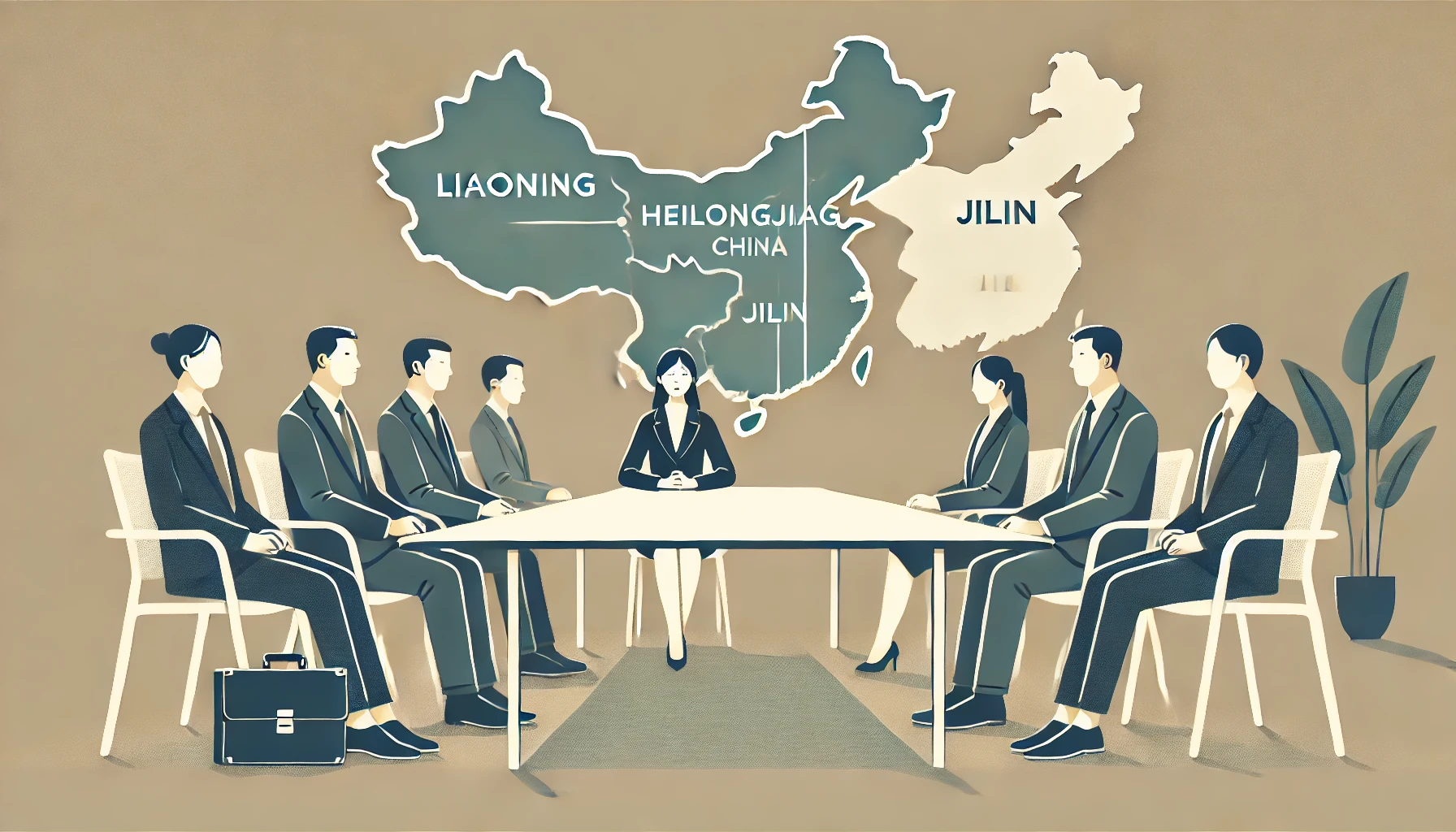
2012년 C사 중국법인장으로 근무했던 초기에, 동북3성(야오링성, 헤이롱장성, 지린성)에 있는 화장품 대리상들이 먼저 우리와 거래하고 싶다고 연락이 왔었다. 처음에는 호박이 넝쿨째 들어오는 것이라 낙관하였지만, 그후 그들을 만나러 하얼빈으로 출장 간 영업이사로부터 날아온 소식은 그리 좋지가 않았다.
우리가 제시한 거래 조건이 만족스럽지 않다며, 하얼빈에 모인 대리상들은 하루 만에 협상을 결렬하고 각자 동북3성에 있는 자신들의 지역으로 돌아가 버린 것이다.
그날 저녁 뒤늦게 영업이사로부터 이메일을 받은 나는, 영업이사가 다음 날 회사로 복귀하지 않고, 그들 중 가장 중요한 대리상의 지역으로 따라가서 설득을 하겠다는 내용을 보고 깜짝 놀랐다. 나는 얼른 영업이사에게 전화를 걸어, 따라가지 말고 바로 복귀하라고 했지만 그는 이미 당시 직속 상급자인 영업상무의 허락을 받고 하얼빈에서 6시간이나 떨어져 있는 곳으로 가고 있는 중이었다.
나는 급히 대리상을 만나지 말고 돌아오라고 했지만, 그가 오기를 부려 만난 결과는 나의 예상대로 협상 실패였다. 아니 오히려 더 좋지 않은 결과로, 영업이사는 우리가 처음에 제시한 조건의 두 배에 달하는 요구사항만 가지고 돌아왔다.
당시 나는 전화로 영업이사에게 그들을 다시 만나면 안 된다며 다음과 같이 설명했다.
- 우리는 이미 그들에게 패를 다 보여 줬고, 현재 숨겨 놓은 다른 패가 없으니 따라가 봤자 헛고생이다.
- 따라가면 오히려 우리의 약한 모습을 보고 그들은 우리가 목매고 있다고 생각하여, 더 많은 요구를 할 우려가 있다.
- 따라서 이럴 때는 그들이 없어도 된다는 듯 강하게 물리치고 돌아와서, 이후 그들의 요구를 들어보고 난 후, 전략적으로 대응해도 늦지 않다.
그러나 왜 영업이사는 상사인 내 말을 듣지 않으며 무리수를 두었을까? 그는 16년간 쌓아 온 구태의연한 영업의 근성주의를 버리지 못했고, 실적을 만들고 싶은 욕심 때문에, 대리상들과 첫 거래를 트는 것이 중요한 전략적 협상 과정임을 인식하지 못했기 때문이다.
협상은 밀고 당기는 과정의 연속이다. 처음부터 내가 가진 모든 패를 보여 주고 밑천이 바닥나면, 더 이상의 협상은 이루어질 수가 없다. 그래서 협상을 하기 위해서는 최선, 차선, 최악의 경우를 모두 준비해야 한다. 한 가지 제안만을 가지고 있는 상황에서 협상이 결렬되었을 때, 대안을 즉석에서 만들 수 있는 능력이 없다면, 아무리 최선을 다했다고 주장해도 소용없는 일이다.
그럴 때는 오히려 상대방의 약점을 파고 들어가 대범하게 대응하며 시간을 벌어야 한다. 그러고 나서 다음 협상을 준비해야 한다. 이렇듯 협상은 전략이다. 근성만으로는 통하지가 않는 냉혹한 비즈니스 현실이다.
하지만 동북3성의 거대한 시장을 그냥 포기할 수만은 없었다. 나는 일말의 가능성을 찾아 그들이 제안한 조건을 자세히 분석해서 시뮬레이션 해보았다. 그런데 분석 결과, 당장은 돈이 많이 들어가지만 장기적으론 요구조건을 들어주지 못할 정도는 아니라는 것이다.
나는 재협상을 통해 서로가 조금씩 양보한다면, 어쩌면 계약이 성사될 수도 있겠다는 실낱 같은 가능성을 갖고 이번엔 그들에게 비행기표를 끊어주고 산동성 칭다오에 있는 회사로 불러들여, 내가 직접 협상을 재개하였다.
홈그라운드의 이점을 살려, 직접 와서 회사와 제품도 보게 하고 자세한 설명도 하면서, 천천히 거래 조건을 협상하여, 성공적인 결과를 이루었다. 그후 C사는 동북3성에서 한달에 약 1백만 위안(1억7천만원)으로 시작한 매출이 5배인 5백만 위안으로 크게 성장하였다. 바로 미리 협상전략을 수립하고 적절하게 실행하였기 때문이었다.
————————————
In the initial stages of B2B relationship building, particularly in the awareness and exploration phases, successful negotiations on transaction terms are crucial for establishing and expanding business relationships. Therefore, negotiation is a highly significant aspect of global trade relationships.
However, regardless of the distribution channel, the strong purchasing power of buyers often undermines the negotiating power of suppliers. Many small and medium-sized enterprises (SMEs) find themselves helplessly dragged along, bleeding metaphorically, because fundamentally, negotiation is also a strategy. Yet, many SMEs are driven by short-term sales goals, pushing forward solely with sheer determination without any strategy.
In 2012, when I was working as the head of C Company’s Chinese branch, I received contact from cosmetic distributors in the three northeastern provinces (Liaoning, Heilongjiang, and Jilin) expressing interest in doing business with us. Initially, I was optimistic, thinking that a great opportunity had come our way. However, the news from the sales director, who traveled to Harbin to meet these distributors, was not favorable.
The distributors, dissatisfied with our proposed terms, ended the negotiations within a day and returned to their respective regions in the three northeastern provinces.
That evening, I received an email from the sales director stating that he planned to stay and persuade the most crucial distributor instead of returning to the office the next day. Alarmed, I immediately called him to come back, but he was already on his way to a location six hours away from Harbin with the permission of his direct superior, the sales executive.
Despite my urgent instructions to return without meeting the distributor, the sales director’s persistence led to a failed negotiation, as I had anticipated. Worse, he returned with demands that were double our initial proposal.
I explained to the sales director over the phone why he shouldn’t have met with them again:
- We had already shown them all our cards and had no hidden ones left, making further negotiations futile.
- By pursuing them, we would appear desperate, potentially leading them to make even greater demands.
- In such situations, it’s better to reject them strongly, return, and then strategically respond to their demands later.
Why did the sales director disregard my instructions and take such a risk? His 16 years of outdated sales persistence and the desire to achieve immediate results blinded him to the fact that opening the first transaction with the distributors was a critical part of a strategic negotiation process.
Negotiation is a continuous process of pushing and pulling. If you reveal all your cards from the start and run out of resources, further negotiations become impossible. Therefore, it’s essential to prepare for the best, second-best, and worst-case scenarios when negotiating. If you only have one proposal and the negotiation falls apart, without the ability to come up with alternatives on the spot, no amount of effort will make a difference.
In such cases, it’s better to exploit the opponent’s weaknesses and respond boldly to buy time. Then, prepare for the next negotiation. Negotiation is indeed a strategy. Pure determination alone doesn’t work in the harsh business world.
However, abandoning the vast market of the three northeastern provinces wasn’t an option. I sought any possibility and thoroughly analyzed their proposed conditions through simulations. The analysis showed that while it required significant investment initially, their demands were not entirely unmanageable in the long run.
With a slim possibility of success, I invited the distributors to our company in Qingdao, Shandong Province, by providing them with plane tickets. Leveraging the home-ground advantage, I resumed negotiations directly. By showing them our company and products and explaining in detail, I slowly negotiated the terms, ultimately achieving a successful outcome. Consequently, C Company’s monthly sales in the three northeastern provinces grew from approximately 1 million yuan (170 million KRW) to 5 million yuan, a fivefold increase. This success was due to the careful planning and execution of a negotiation strategy.