이팀장은 긴 자기자랑을 끝내고 마케팅 STP 전략에 대해 강의를 시작하였다.
“STP Strategy는 말이야, Segmentation(시장세분화), Targeting (표적시장 선정), 그리고 Positioning(포지셔닝), 세 가지에 대한 이니셜을 합쳐서 만든 것이야. 먼저 Segmentation이란 한 마디로 시장을 일정한 기준에 따라 Category별 동질적 Group으로 나눠서, New market의 기회를 발견하기 위한 Strategy로써, 주로 인구통계적, 지리적, 고객행태 별로 세그(Segmentation의 줄임 말)를 하는 일이란 말이야.”
이팀장은 생각보다 재미있고 다양한 사례를 들며 열띤 강의를 하였지만, 마치 신대리를 위한 것이 아니라, 강의 자체를 스스로 즐기며 자신의 많은 지식과 경험을 뽐내는 것처럼 많은 미사여구와 영어를 사용하는 폼이 ‘나는 무척 잘났고 교만한 사람입니다’라고 스스로 떠들어 대는 사람처럼 보였다.
“지금까지 세그에 대한 다양한 사례를 설명하였고, 이와 연계하여 세그에 맞는 고객을 타게팅(Targeting)해야 하는데, 이때 중요한 건 경쟁사 대비 우리 내부역량의 강점이 크고, 시장의 매력도도 큰 가능성이 있는 시장으로 타게팅 되어야 한다는 말이야. 즉 3C라 부르는 Consumer(소비자), Competitor(경쟁사), Company(자사)의 현황을 파악하고 분석함으로써, 고객을 타게팅할 수 있단 말이지.
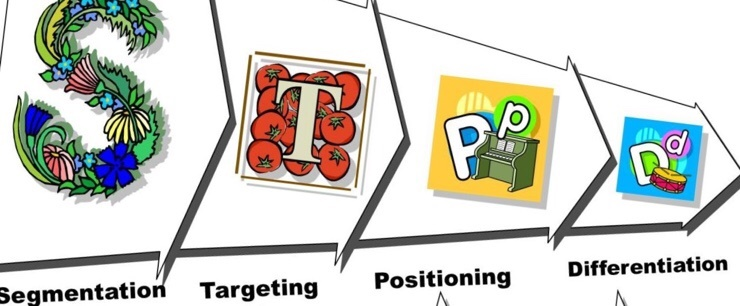
이렇게 세그를 통해 타게팅된 시장에서 특정 브랜드의 차별화된 Benefit(혜택)과 Value(가치)를 Consumer 입장에서 찾아내어 그들의 마인드에 깊게 자리잡도록 Recognition(인식)시키는 작업이 바로 Positioning(포지셔닝)이란 말이야. 소비자는 경쟁 브랜드보다 먼저 포지셔닝이 잘 된 브랜드를 떠올리고 제품 구입 시 가장 우선적으로 고려하게 되므로, 마케터는 항상 Consumer Language로 말하고 표현할 줄 알아야 한단 말이야. 신대리는 경영학과를 나왔으니, 이런 용어들은 이미 들어봤지?”
소비자의 언어로 소비자 눈 높이의 소비자 마인드로 일해야 한다는 사람의 입 밖으로 나오는 말들이, 도통 자신을 배려하지 않은 자기우월주의적 용어들 뿐이라고 신대리는 생각하며, 생각과 행동이 저렇게 다르니 우리회사의 마케팅이 그 동안 문제였구나 하며, 이팀장의 교육을 통해서 간파할 수가 있었다.
그 동안 영업에 있으면서도 느꼈던 것이지만, 이번 OJT를 통해서 BM들과 이팀장의 강의를 들어보면, 마케팅부의 사고 및 업무 방식들이 좀 더 현실적이고 시장 중심적이지 못한 것 같았다. 그들이 말하는 시장현황 및 대책 안들은 다분히 피상적인 것으로써, 시장을 리드하는 경쟁사가 하니까 대응책으로 우리도 한다는 식의 전형적인 ‘따라하기(Me too)전략’이었으며, 설령 따라 하더라도 그 속에 뭔가 남들과 다른 전략이 살아있지 못했던 것 같았다.
문제는 말로만 원칙적으로 한다고 떠들어 대고 있지만, 현재 회사의 위치와 경쟁 환경에 대한 심도있는 분석이 부족했으며, 향후 시장에 대한 전망도 없는 것 같았다. 단지 치열한 경쟁 속에서 현재의 매출 증대를 위하여 결국 신제품 출시에만 너무 급급하다는 인상이었다.
이번 일주일 간의 교육만으로는 신대리가 그 동안 가지고 있던 의문들은 풀리지 않았다. 분명히 시장은 더욱 힘들어지고 있는데, 저렇게 품목만 추가하는 식의 신제품 출시는 당장의 매출 목표 달성에 조금이나마 도움이 될 수는 있겠지만, 경쟁환경에서 우위를 점할 수 있는 장기적 기반이 되지 않기 때문이다. 결국 신대리는 자신이 직접 해보지 않으면 모르겠다는 결론을 내렸다.
그리고 이런 의문들은 후에 그가 직접 브랜드를 런칭하게 될 때까지 이어져서, 그가 진정으로 원칙에 입각해서 일을 수행하게 하는 밑거름이 된다.
교육이 끝난 금요일 밤, 신대리를 위한 환영의 회식자리가 열렸다. 술이 어느 정도 들어가서인지, 신대리는 용기를 내어 그 동안 참아왔던 생각을 이팀장에게 토로하였다.
“팀장님, 제가 아직 잘 몰라서 그러는데요, 질문 하나만 해도 될까요?”
신대리는 이팀장의 대답도 기다리지 않은 채, 거두절미하고 바로 질문을 던졌다.
“팀장님 강의 너무 좋았습니다. 그런데 왜 우리는 교육한 데로 실제로 하지 못하고 왜 남이 만든 것만 따라 하죠? 진정 우리만의 강점으로 새로운 영역을 만들 수는 없는 건가요?”
신대리는 조심스럽지만 강한 어조로 이팀장을 정면으로 바라보며 말했다. 그러나 돌아온 대답은 기대와는 달리 무척 실망스러웠다.
“신대리가 잘 몰라서 그런데 말이야, 이미 화장품 시장은 성숙시장이야. 더 이상 새로울 것도 없으며, 설령 있다고 해도 그걸 개발하고 광고 하려면 엄청난 투자비용이 들기 때문에 우리회사 입장에서는 엄두가 나지도 안는다고. 그래서…, 못하는 게 아니라 잠시 숨 고르기를 하며 안 하는 거란 말이야”
“그러면 적은 투자로 파고들 수 있는 잠재시장을 찾으려는 노력이 필요하지 않습니까? 초저가 화장품인 미샤 이후로 화장품 전문점은 점점 줄어들고 더페이스샵에, 이젠 아모레까지 나서서 브랜드샵이 우후죽순처럼 늘어나고 있는데, 우리도 그들처럼 새롭고 강한 영역을 만들어야 하지 않습니까?”
신대리는 물러서지 않고 답답한 현실을 토로하였다.
“신대리, 그런 거 내가 몰라서 안 하는 게 아니란 말이야! 나도 다 안다고 알아!”
이팀장은 한마디로 잘라 말했다. 그런 후 기다렸다는 듯한 일장연설이 시작되었다.
“화장품 전문점이 대형화 되고 체인점화 되면서부터 그 시장에서 우위를 차지하기 위해 우리도 과거 5년 동안 무진장 많은 노력을 해봤지만 그게 마음 먹은 대로 되는 게 아니란 말이야~! 애니웨이, 된 건 별로 없고 돈만 날리고, 결국 지금에 와서 이 정도뿐이 안 되는 걸 어쩌란 말이야? 그래서 지금은 내실을 기할 때이지, 함부로 일을 벌이면 안 된단 말이지. 아직은 좋은 회사 이미지를 가지고 두루 널리 사용할 수 있는 브랜드로 무난하게 나가는 것이 좋아. 현재 우리의 주력 브랜드인 아르보아는 그래도 잘 팔리고 있지 않나?”
이팀장은 과거 10여 년 동안 회사에서 자신이 했던 일들을 자랑스럽게 말하는 한편, 현재 회사 경영진들의 문제점 및 회사 자금력의 문제 등을 비판하다가, 나중에는 영업부로 넘어가서 이 모든 일들이 영업부가 형편 없어서인 것처럼 책임을 돌리면서 하염없이 주절거렸다. 신대리는 그래도 굽히지 않고 기회를 봐서 자신의 의견을 말하고 싶었지만 이팀장의 말을 끊기가 쉽지 않았다. 어느 순간 실컷 떠들 만큼 떠들어서인지, 이팀장은 한마디로 잘라 말하며 그의 말을 끝냈다.
“애니웨이, 현실은 그렇게 쉽지만은 않단 말이야! 신대리가 잘 몰라서 그런 걸로 알고 이번 일은 그냥 넘어 갈테니, 술 맛 떨어지게 앞으로 더 이상 그런 얘기 하지 말고, 술이나 마시란 말이야~!”
신대리는 할 말을 잃었다. 자신은 아무 말도 하지 못하고 단지 그 동안 가져왔던 의문을 단 한번 물었을 뿐인데, 마치 무슨 큰 잘못을 한 사람처럼 취급 받은 것이다. 그는 마케팅 직원들이 왜 이팀장 앞에서 의견을 잘 얘기하지 않는지 비로소 알게 되었으며, 바로 이런 팀장의 사고방식 때문에 제대로 된 전략이 수립되지 못하는 것만 같았다.
문득 그는 이팀장의 모습에서 전 직장 가전영업부에서 직원들의 말은 듣지도 않고 오직 지 멋대로만 하던 허지점장이 떠올랐다. 그 허지점장과의 마찰 때문에 그도 결국 남들 부러워했던 대기업 전자회사를 떠나게 된 것이 아니었던가?
- 계 속 –
——————
After finishing his long self-praise, Team Leader Lee began his lecture on the marketing STP strategy.
“STP Strategy stands for Segmentation, Targeting, and Positioning. First, Segmentation is, in short, the process of dividing the market into homogeneous groups according to specific criteria in order to discover opportunities in new markets. We usually segment based on demographic, geographic, and customer behavioral factors.”
Although Team Leader Lee’s lecture was engaging and full of interesting examples, it felt as if he was delivering it not for Shin’s benefit but rather to showcase his own knowledge and experience. His abundant use of complex terms and English jargon made him seem like someone loudly proclaiming, “I’m very smart and arrogant.”
“We’ve now covered several examples of segmentation, and linked to that, we need to target customers. The important thing here is that we should target markets where our internal strengths are greater than those of our competitors, and where the market shows significant potential. This involves analyzing the 3Cs: Consumer, Competitor, and Company. By doing so, we can determine which customers to target.
Once we have identified the market through segmentation and targeting, we must find the differentiated benefits and value of a specific brand from the consumer’s perspective and make sure they are deeply recognized by their minds. This process is called positioning. Consumers will prioritize brands with well-established positioning over competing brands when making a purchase decision. So, marketers must always communicate in the consumer’s language. Shin, you studied business, so you’ve probably heard these terms before, right?”
As Team Leader Lee emphasized the importance of understanding the customer and speaking in the “consumer’s language,” Shin couldn’t help but think that the man’s words were full of self-centered and arrogant expressions, completely devoid of consideration for others. It became clear to Shin that this disparity between thought and action was part of why the company’s marketing had been struggling.
Even while working in sales, Shin had felt that the marketing department’s mindset and work methods weren’t very practical or market-oriented. Based on the lectures he had heard during his OJT, it seemed that the market analysis and strategies proposed by the marketing team were often superficial. The department’s approach tended to mimic what the leading competitors were doing, following a typical “Me Too” strategy, and even when they copied others, they failed to offer anything unique.
The problem was that, while they talked about adhering to principles, they lacked in-depth analysis of the company’s current position and competitive environment. Moreover, there didn’t seem to be any long-term outlook for the market. It appeared that they were too focused on releasing new products just to boost short-term sales in the midst of fierce competition.
The week of training did not resolve Shin’s doubts. He knew that the market was becoming increasingly challenging, and while launching new products might help meet short-term sales targets, it wouldn’t provide the long-term foundation needed to maintain a competitive edge. In the end, Shin concluded that he would have to experience things firsthand to understand the situation fully.
These doubts would later serve as the foundation for him when he eventually launched his own brand, ensuring that he adhered to the principles he believed in.
On Friday night, after the week of training ended, a welcome dinner was held in Shin’s honor. After having a few drinks, Shin mustered the courage to voice the thoughts he had been holding back to Team Leader Lee.
“Team Leader, I still don’t know much, but can I ask you one question?”
Without waiting for a reply, Shin went straight to the point.
“Your lecture was great. But why don’t we actually follow through on what we’re taught, and why do we just copy what others create? Can’t we build our own strengths and carve out a new area for ourselves?”
Shin, though cautious, spoke with a firm tone, directly meeting Team Leader Lee’s gaze. However, the answer he received was far from what he had hoped for—it was utterly disappointing.
“Shin, you’re asking because you don’t know yet. The cosmetics market is already mature. There’s nothing new left, and even if there were, developing it and advertising it would require enormous investment. From the company’s perspective, we can’t afford it. So, it’s not that we can’t do it, we’re just catching our breath for a while.”
“Then shouldn’t we be trying to find untapped potential markets that we can enter with a smaller investment? Since Missha, the number of independent cosmetics stores has decreased, while brands like The Face Shop and now even Amore have opened so many branded shops. Shouldn’t we also be creating a new and stronger space for ourselves?”
Shin didn’t back down, expressing his frustration with the current situation.
“Shin, it’s not that I don’t know all that!” Team Leader Lee cut him off sharply. And with that, he launched into another long-winded speech.
“As cosmetics shops have grown and franchised, we’ve spent the past five years trying to gain an edge in that market, but it doesn’t work out as easily as you’d think! Anyway, we didn’t get much out of it, just lost money, and now we’re stuck where we are. That’s why now we need to focus on building stability. We shouldn’t just recklessly expand. Right now, it’s best to promote a solid, widely usable brand that maintains a good company image. Our main brand, Arboire, is still selling well, isn’t it?”
Team Leader Lee went on, proudly recounting his achievements over the past 10 years, while also criticizing the current company management and their lack of financial resources. He even shifted the blame to the sales department, suggesting that everything that had gone wrong was their fault. Shin wanted to take the opportunity to speak up and share his thoughts, but it was difficult to interrupt Lee’s endless monologue. Eventually, as if he had finally said all he wanted to, Lee cut the conversation short with one final remark.
“Anyway, things aren’t as easy as they seem! I know you don’t understand yet, so I’ll let this slide. But don’t bring this up again—it’s ruining the mood. Just drink!”
Shin was at a loss for words. He had merely asked a single question out of the many doubts he had, yet he was treated as if he had done something terribly wrong. At that moment, he understood why the marketing staff rarely voiced their opinions in front of Team Leader Lee. It was this very mentality that seemed to prevent the department from developing proper strategies.
Suddenly, Shin was reminded of Manager Heo from the home appliance sales division at his previous job—a man who never listened to his employees and always acted on his own whims. It was Shin’s conflict with Heo that ultimately led him to leave the prestigious electronics company, which so many others envied.
- To be continued –