

중국에서 나는 물류팀을 CJ대한통운으로 아웃소싱하기 전에, 물류업무 개선을 위한 TFT팀을 구성하고 현황과 문제점, 그리고 대안을 찾아내라고 지시했었다. 그런데 이 TFT가 몇 달이 지나도 지지부진하여 바쁘다는 핑계로 회의도 잘 되지 않았다.
실제로 나도 물류가 매우 바쁜 것을 잘 아는지라 계속 기다려 봤지만, 물류팀장은 그 후로도 계속 TFT를 진행하지 않았다. 그래서 결국 내가 그를 불러다 물었다.
“왜 TFT가 진행이 안되죠? 매번 한다고 하면서 벌써 3개월이 지났는데…”
“죄송합니다. 몇 번 회의를 했는데, 아직 이렇다 할 실마리를 못 잡고 있습니다.”
“아니, 이러다 우리회사 실적이 급증하면 어쩌려고 그업니까? 물류대란이 일어난단 말이어요”
“근데, 총경리님, 솔직히 TFT 자체를 어떻게 해야할지 모르겠습니다. 회의를 해서 문제를 발견하는 방법 자체를 몰라서 잘 못하겠습니다.”
순간, 나는 아차 싶었다. 그 동안 대기업에서 많은 TFT와 신규 프로젝트를 하였으며, GE의 Work-out 미팅을 배우고 행해왔던 내게는 당연한 것이었지만, R&D 출신으로 주로 혼자 연구를 해왔던 팀장이나, 팀워크에 익숙지 못하고 회의문화가 별로 없는 중국인 직원들에게 TFT를 통해 현상의 문제점을 발견하고 해결안을 도출한다는 것은 처음부터 어려운 일이었다.
특히 중국인들은 철저히 개인주의적인 성향으로 자라와서, 팀 공동목표 달성의 개념보다는 개인실적 위주의 교육에 익숙하며, 다른 사람의 잘못에 의해 단체로 처벌받는 것에 대해서도 거부감이 강한 편이다. 그러다 보니 회사 내에서도 부서 간뿐만 아니라 팀 내 개인업무에 대한 이기주의가 매우 심해, 옆자리에 전화 벨이 울려도 거의 안 받을 정도다. 즉, 나는 내일만 잘하면 아무 상관없지 않냐는 식이다.
그런 사람들에게 알아서 하라고 맡긴 내가 잘못이지, 그 직원들을 탓할 노릇이 아니었다. 그래서 나는 Work-out 미팅 운영에 대한 자료를 주며 기본적인 운영방법을 설명해주는 한편, 만일을 대비해 아예 전문 유통업체에 물류를 통째로 아웃소싱하는 방법도 병행해서 진행해보라는 가이드 라인을 주었다.
그렇게 되자 비로소 TFT가 어느 정도 돌아가기 시작하였고, 그 결과 물류 아웃소싱이 시기적절하게 되어, 급증하는 매출에 대한 물류 대란을 피할 수가 있었다. 즉, 어쩌면 사람들은 문제를 못 보는 것이 아니라, 문제를 보는 방법조차도 모르고 있을 수도 있다는 것이다.
그런 사람들에게 아무리 문제의식을 얘기해봤자 뜬 구름 잡는 것처럼 아무런 소용이 없다. 그럴 때면 문제를 들여다 보는 방법과 눈을 키워줘야 한다. 물류 TFT가 효과적으로 CJ대한통운과 아웃소싱을 할 수 있었던 것도 문제를 인식하는 방법을 알게 되면서부터 문제점을 스스로 발견하게 되었고, 그 문제점들을 해결하고자 TFT에서 적극적인 해결 방안을 내었기 때문이다.
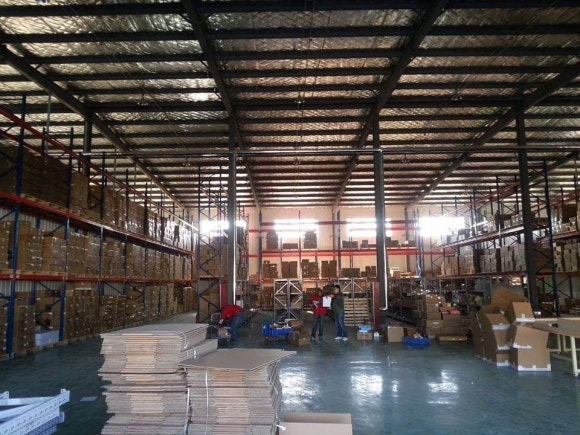
시기적절하게 CJ대한통운과 함께 새로운 물류창고를 만들었다.
그러면 실행은 자동적으로 이루어지는 것이다. 위에서 더 이상 왜 아직도 하지 못하냐고 떠들어 댈 필요가 없다. 말 그대로 실행력이란 실행을 하도록 만드는 원동력으로써, 책임의식과 문제의식을 통해 먼저 진정한 문제부터 발견하는 일부터 시작해야 하는 것이다.

————————
Before outsourcing our logistics operations to CJ Logistics in China, I had organized a TFT (Task Force Team) to identify the current issues in logistics and develop improvement plans. However, even after several months, the TFT made little progress. Meetings were rarely held, and the team repeatedly cited being “too busy” as an excuse. I knew well how demanding logistics work was, so I waited patiently. Yet, the logistics manager still failed to move the TFT forward.
Eventually, I called him in and asked,
“Why hasn’t the TFT made any progress? It’s already been three months since you said you’d start.”
“I’m sorry. We held a few meetings, but we haven’t been able to find any meaningful direction yet.”
“What if our company’s sales suddenly surge? Then we’ll face a logistics crisis.”
“To be honest, sir, I don’t even know how to run a TFT properly. We don’t know how to hold meetings to identify problems. We’re not sure how to find the issues in the first place.”
At that moment, I realized the real problem. Having worked in large corporations and led numerous TFTs and new projects, I was familiar with GE’s “Work-out” meetings and their methodology. To me, these practices were second nature. However, for a logistics manager with an R&D background—someone accustomed to working alone—and for Chinese employees unfamiliar with teamwork or structured meeting culture, conducting a TFT to diagnose issues and propose solutions was an unfamiliar and difficult task from the very beginning.
In particular, many Chinese employees, raised in a highly individualistic culture, tend to prioritize personal performance over collective goals. They also have a strong aversion to being penalized collectively for another person’s mistake. As a result, both interdepartmental and intradepartmental cooperation is often weak, and individualism dominates. It’s not uncommon for an employee to ignore a ringing phone at the next desk, thinking, “It’s not my responsibility as long as my work is done.”
It was my mistake to assume they would “figure it out on their own.” I couldn’t blame them for failing to deliver when I hadn’t given them the tools to understand how to discover problems. So, I provided materials explaining how to conduct a Work-out meeting, walked them through the basic process, and at the same time, instructed them to prepare a contingency plan—outsourcing logistics entirely to a professional distribution company.
Once this guidance was given, the TFT began to function properly. As a result, we were able to outsource logistics to CJ Logistics at the right time, effectively preventing a potential logistics crisis caused by rapidly increasing sales.
This experience taught me that people may not fail to see problems, but rather, they may not know how to look for them. Talking about “problem awareness” is useless if people lack the skills and perspective to recognize issues. In such cases, leaders must teach them how to observe, analyze, and identify problems.
The logistics TFT’s success with CJ Logistics came from learning how to recognize problems. Once they developed that ability, they began identifying issues on their own and proposed proactive solutions within the TFT.
With the timely establishment of a new logistics warehouse in partnership with CJ Logistics, execution naturally followed. There was no need for upper management to keep asking, “Why hasn’t it been done yet?” True execution stems from the driving force of responsibility and problem awareness. Real execution begins with the discovery of genuine problems.