

“혹시 목숨이 위태로운 죽음의 순간을 경험해 본적이 있는가?”
만약 생명의 위험을 느껴 본 사람이 있다면, 그 짧은 순간 나의 아쉬웠거나 즐거웠던 과거가 마치 영상 필름이 파노라마처럼 펼쳐지듯 느리게 돌아가는 듯한 것을 겪어봤을지도 모르겠다. 또는 살아 남기 위해 정신을 차려 마치 화면이 정지된 듯한 찰나의 위기를 모면한 적도 있을지도 모르겠다. 나는 과거 두 번의 자동차 사고를 당할뻔한 순간을 통해 두가지 경우를 모두 경험해 본적이 있다.
한 번은 20년 전, 여름휴가로 설악산을 갔을 때의 일이었다. 비가 오는 날이라 서울에서부터 조심스럽게 운전을 하고 왔는데도, 한계령을 넘게 되자 거의 다 왔다는 안도감이 있었는지, 꾸불꾸불하고 가파른 내리막길에서 그만 한 순간의 방심으로 급커브를 틀다가 차가 미끄러지며 360도로 회전을 하면서, 중앙선을 넘어 맞은편 가드레일에 살짝 부딪치며 간신히 차를 멈출 수 있었다. 다행히 그날 비 오는 한계령은 한적하여 마주 오는 차가 없었기 때문에, 어떤 사고나 부상도 당하지 않을 수 있었다.
다만 그 순간 내 머리 속에는 이제는 죽었구나 하는 생각뿐이었고, 문득 과거의 영상이 끊임없이 펼쳐지는 환상을 경험하였다. 물론 내가 살기 위해 밟았던 급 브레이크가 차를 더 빙글빙글 돌게 하였지만, 낭떠러지로 떨어지지 않게 한 것은 불행 중 다행이었다. 그 찰나의 순간에 나는 내 과거를 한번에 돌아보는 몰입을 경험한 것이다.


또 한번은 15년 전에 회사 산악회 멤버들과 명성산에 갔을 때였다. 당시 경기도 고양에 살던 나는 같은 지역 사람들과 내 차로 함께 가기로 하였는데, 공교롭게도 당일 아침에 차가 갑자기 고장이 나서 출고한지 일주일뿐이 안된 아내의 소형차를 빌려 산으로 출발하였다.
그런데 왕복 10차선쯤 되는 넓은 도로에서 시속 80km로 달리던 우리 차 앞으로, 멀리 오른 쪽에서 튀어나온 거대한 석유탱크 차는 우회전을 하지 않고 그대로 중앙선을 침범하여 좌회전을 하려고 했다. 그러나 나는 당연히 그 차가 우회전 해서 갈 줄 알고, 속도를 늦추지 않고 1차선으로 계속 달렸던 순간이라, 아내의 새로 뽑은 소형차는 그대로 석유탱크 차의 좌측면을 들이받을 위기에 처했다. 순간 차에 있던 네 명은 목숨이 동시에 날아가 버릴 상황에, 모두 큰 소리로 비명을 질렀다.
그 때였다. 나는 순간적으로 죽음보다도 이 새 차가 완전 부서지면 아내에게 어떤 변명도 할 수 없다는 생각에, 방어본능이 말하는 브레이크를 밟지 않고 엑셀을 더 강하게 밟으며 속도를 내었다. 그리고는 마치 종이 한 장 차이처럼, 가로질러 오는 탱크차와 중앙선 넘어 마주 오는 차 사이를 찰나의 순간에 통과해 나갈 수가 있었다.
그 때는 마치 모든 순간이 멈추어 있었으며 내 차만 슬로우 비디오처럼 움직이는 것만 같았던 놀라운 집중의 순간이었다. 간신히 차를 세운 나에게 동승했던 사람들이 모두 죽는 줄 알았었다고 말하며, 어떻게 그 엄청난 속도로 좁은 사이를 피해 나갈 수 있었느냐고 이구동성으로 물었다. 나는 그 때 그저 멍하니 대답하였다.
“아무 생각이 없었어요. 그냥 이 차가 부숴질 경우, 아내의 얼굴만 떠올랐어요.”
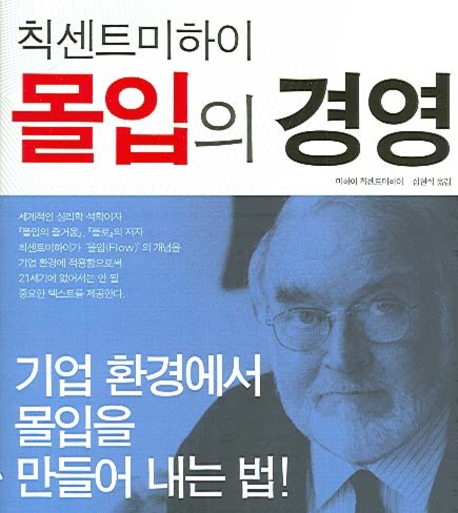
몰입에 관한 서적을 출간하여 한때 우리나라에 몰입 열풍을 일으켰던 서울대 황농문 교수는 긍정 심리학과 몰입에 대한 연구로 유명한 심리학자 미하이 칙센트미하이 교수의 연구 결과를 토대로 몰입에는 수동적 몰입과 능동적 몰입이 있다고 얘기하였다.
앞서 나의 자동차 사고의 순간처럼 죽음이라는 극단적인 위기상황뿐만 아니라, 마감에 임박한 과제나 시험날짜에 임박한 수험생들처럼 위기에 몰린 상황에서만 발휘되는 몰입은 수동적 몰입이며, 위기상황이 아니어도 지속적으로 문제해결을 위해 생각을 집중할 수 있는 능력이 능동적 몰입이라고 하였다.
우리가 주목할 점은 위기상황에서 누구나 발휘할 수 있는 수동적 몰입이 아니라, 나의 일상 속에서 내가 원할 때면 언제든지 의도적으로 만들어 낼 수 있는 능동적 몰입이다. 나는 이를 열정이 만들어내는 몰입의 세계라고 말하고 싶다.

———-
“Have you ever faced a moment where your life felt like it was hanging by a thread?”
Anyone who has experienced a life-threatening situation may recall that brief moment when past memories—both regretful and joyful—seem to slow down, like a film rolling in slow motion across the mind’s eye. Or perhaps they remember barely avoiding a crisis by snapping back to awareness, as if time itself had paused. I’ve encountered both types of moments, both during times when I nearly had car accidents.
The first incident was about 20 years ago on a summer trip to Seoraksan. It was raining, so I drove cautiously all the way from Seoul. After passing Hangyeryeong, feeling somewhat relieved that we were almost there, I let my guard down for just a moment on a winding, steep downhill road. As I rounded a sharp curve, the car slipped, spinning 360 degrees across the road and narrowly stopped as it grazed the guardrail on the other side. Fortunately, the rain that day meant few other cars were on the road, so I escaped without injury or damage.
At that moment, however, all I could think was, “This is it.” I experienced a vision of past memories flashing before me, one after another. Though slamming the brakes made the car spin even more, the guardrail kept me from plunging off the edge—a small mercy in an otherwise terrifying moment. I had been wholly absorbed in reliving my past in those fleeting seconds.
The second time was 15 years ago during a hike with my company’s climbing club on Myeongseong Mountain. I was living in Goyang at the time, so I arranged to drive some locals to the site. Unfortunately, my car suddenly broke down that morning, so I took my wife’s new car, barely a week off the lot, instead.
As we were driving on a 10-lane road at about 80 kilometers per hour, a massive fuel tanker suddenly appeared on the right side, attempting a left turn across the center line, rather than making a right turn. Assuming it would turn right, I hadn’t slowed down as I continued in the first lane, putting my wife’s new car on a collision course with the tanker’s left side. The four of us in the car screamed, knowing we were just moments away from catastrophe.
Then it happened. I instinctively reacted, not with the brake but by pressing the accelerator, focusing more on avoiding damage to the new car than on my own life. I accelerated, passing between the tanker and oncoming cars by a hair’s breadth.
In that moment, time felt frozen; everything around me stopped while only my car seemed to move, as if in slow motion. Once I finally stopped the car, my passengers told me they thought we were all going to die. They asked in disbelief how I managed to squeeze through such a narrow gap at that speed. I could only reply blankly, “I wasn’t thinking of anything else. I just kept picturing my wife’s face if the car got wrecked.”
Hwang Nong-Moon, a professor at Seoul National University who once sparked a nationwide interest in flow with his book on the subject, describes flow through research on positive psychology and studies by renowned psychologist Mihaly Csikszentmihalyi. According to their findings, flow can be categorized into passive and active forms.
As seen in my near-accident experiences, or in scenarios like students studying under pressure before a test, flow triggered by a looming crisis is called passive flow. In contrast, the ability to focus intensely on problem-solving without an imminent threat—allowing one to sustain concentration and effort—is active flow.
What we should take note of is not the passive flow that any of us can summon in a crisis, but the active flow that we can intentionally create in our everyday lives whenever we choose. I call this the realm of flow fueled by passion.