

마이크로스프트사의 빌 게이츠에게 한 기자가 질문을 하였다.
“당신은 대학도 채 졸업하지 못했는데, 세계 최고의 위치를 고수하고 있습니다. 그 성공비결이 무엇입니까?”
그러자 빌 게이츠가 대답하였다.
“나는 머리가 뛰어난 천재도 아닙니다. 그렇다고 남보다 힘이 대단한 사람도 아닙니다. 다만 나는 항상 날마다 나 자신을 새롭게 변화시키려고 노력했을 뿐입니다. 그것이 나의 성공 비결입니다. Change(변화)의 g를 c로 바꿔보십시오. Chance(기회)가 되지 않습니까?”
그가 말했듯이 변화를 뜻하는 영어 Change 중 “g”를 멀리 보내고(get away), “c”룰 선택(choice)하면, 변화는 기회, 즉 “Chance”가 된다. 그 만큼 변화와 기회는 한 몸과도 같으며 변화 속에는 반드시 기회가 숨어있는 것이다.


그런데 이 변화의 기회라는 것은 어느 날 거창하게 운명처럼 찾아오는 것이 아니라, 아주 작은 우연처럼 오는 경우가 많다. 왜냐하면 기회는 항상 우리 주변에 사소하게라도 존재하고 있는 것인데, 사람들이 이를 잘 알아채지 못하고 있기 때문이다.
고대 그리스 시라쿠사 거리에는 재미있는 동상이 하나 있다. 앞머리의 머리카락 숱은 무성한데 뒷머리는 대머리며 발에는 날개가 달려 있는 모습이 사람인지 동물인지 신인지 모를 이상한 형상이다. 동상 가까이에 있는 설명서를 보면 다음과 같이 쓰여 있다.
“앞머리가 무성한 이유는 나를 보았을 때 쉽게 잡으라는 의미이고, 뒷머리가 대머리인 까닭은 내가 지나가면 다시 붙잡을 수 없도록 하기 위함이며, 발에 날개가 달린 건 최대한 빨리 달아나기 위해서다.”
이것은 과연 무엇을 의미하는 동상일까?

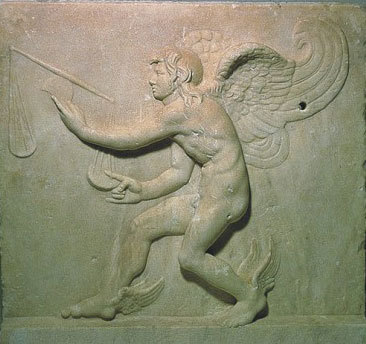
정답은 “기회”이다.
기회는 사실 우리에게 너무도 쉽게 다가온다. 때론 회사를 옮기는 기회가 될 수도 있고, 새로운 사업을 하는 기회가 될 수도 있으며, 회사 내에서 부서를 이동하거나 새로운 프로젝트를 만드는 수준의 기회가 될 수도 있다. 아니 어쩌면 그냥 나의 업무를 좀 더 개선할 수 있는 작은 변화의 한 순간일지도 모르겠다.
사진을 보면 기회의 신이 저울을 들고 있는 것처럼, 기회는 어느 누구에게나 공평하게 주는 신이 주는 선물이다. 단지 사람에 따라 이 선물을 누구는 찾아 먹기도 하고 누구는 선물을 받은 지조차 몰라 못 먹기도 하는 것일 뿐이다.
그렇다면 우리는 이 기회라는 선물을 어떻게 알아차릴 수 있을까? 방법은 의외로 간단하고 쉽다. 당연히 나의 업무에 전문가가 되어야 하는 한편, 업무를 둘러싼 경영환경의 변화에 끊임없는 관심을 가지는 것이다. 너무도 쉽고 당연한 일이라서 실망스러울지도 모르겠지만, 이런 당연하고 기본적인 일은 꾸준히 실행하기가 어렵기 때문에 스스로 나태해져 잘 깨닫지 못하는 경우가 태반이라 더욱 어려운 일인 것이다.
1994년 나는 애경산업에 경력으로 입사를 하였다. 당시 생활용품이 주력이었던 애경산업은 세계적인 다국적 회사인 유니레버의 전문 클렌징 화장품인 폰즈(PONDS)를 파는 정도가 화장품의 전부였었지만, 애경산업은 유니레버와 결별 후 폰즈 대신 자체 브랜드로 개발한 포인트가 “화장은 하는 것보다 지우는 것이 중요하다”는 카피에 힘입어, 그나마 과거 폰즈의 공백을 메워주는 선전을 하고 있었던 때였다. 그러나 애경산업은 이에 만족하지 못하고 종합 화장품 회사로 거듭나기를 꾀하였지만 쉽지는 않았다.
당시 영업지원부 대리였던 나는 “왜 애경산업에서 출시하는 화장품은 클렌징만 빼고 잘 안될까?” 하는 고민에 빠졌었다. 물론 영업지원부가 고민할 일이 아니라 마케팅 브랜드 매니저가 더 고민할 일이었지만, 나는 답답한 마음에 업무를 떠나 개인적으로 애경산업을 둘러싼 화장품 시장환경을 조사하고 분석해 보았다.
그 결과 가장 큰 장애요인은 애경산업의 강한 세제 이미지였음을 알게 되었다. 주로 옷이나 그릇을 닦아내는 세제를 전문으로 하는 회사가 인체의 피부에 큰 영향을 주는 화장품을 만든다는 것이 고객의 시선에서는 그리 좋아 보이지는 않았던 것이다. 그래서 나는 이런 결과에 대해 상사에게 레포트를 하며, 당시 큰 히트를 친 조선맥주의 하이트 전략처럼 회사를 감추고 브랜드를 강조하는 전략을 펼쳐야 함을 강조하였다.
그런데 공교롭게도 애경산업의 경영진도 같은 생각으로 고민하고 있었다. 그래서 내 보고서를 읽은 상사는 같은 생각을 가지고 있던 내가 신규 프로젝트팀에 적합하다고 판단하여, 나를 프로젝트팀에 추천하였고, 나는 그곳으로 자리를 옮겨 여러 브랜드 중에 마리끌레르라는 프랑스 패션 브랜드를 어렵게 라이선스하였으며, 결국에는 직접 마케팅 팀장으로 발탁되어 마리끌레르 화장품을 성공적으로 개발 출시한 바가 있었다.


당시 1년에 180억원의 화장품 매출을 했던 애경산업은 마리끌레르 성공에 힘입어 2년만에 일약 1천억원대 화장품 매출을 하는 회사로 성장을 하며, 당시 적자로 힘들었던 회사도 흑자로 전환하게 되었다.
만약 내가 영업지원부 대리로 만족하며 성공적이지 못한 브랜드를 런칭한 마케팅부만 탓하고 있었다면, 과연 마리끌레르 브랜드가 성공적으로 탄생하였을까? 그리고 나 또한 영업지원부 대리에서 2년 만에 애경산업의 마케팅 팀장으로 급성장할 수 있었을까?
이렇게 변화의 기회는 주어지는 것이 아니라 만들어지는 것이다. 성공하는 사람들의 공통점을 보면 그들은 항상 준비되어 있다는 것이다. 어떤 일이 주어져도 해낼 수 있는 자신감은 준비된 자만이 가질 수 있는 특권이다. 기회를 볼 수 있는 통찰력과 준비가 되어있는 사람만이 그 기회를 바로잡을 수가 있다.
여러분은 스스로 할 수 있는 바 최선을 다 하고 있다고 생각하는가? 혹시 남의 탓과 환경 탓만 하고 나는 어쩔 수가 없었다고 하며 신세타령만 하고 있지는 않은가?
삼국지 고사에서 유래된 진인사대천명(盡人事待天命)이란 말이 있다. 사람으로서 할 일을 다 했다면 이제부터는 하늘의 뜻을 기다릴 수밖에 없다고 제갈공명이 한 말에서 유래된 한자성어다. 옛날 농경사회에서는 부지런히 일했으면 그 다음으로 날씨가 좋아야 큰 수확을 거둘 수밖에 없었지만, 지금 세상에는 부지런히 일하기만 해도 안되고 천명을 기다리기만 해도 안 된다.
공자께서는 ‘순천자는 존하고(順天者存), 역천자는 망하리라(逆天者亡)’, 즉, ‘하늘을 따르는 사람은 살고, 하늘에 거역하는 자는 망한다’고 말했다. 하지만 이 말은 하늘에 무조건적으로 순종하듯이 주어진 운명에 따라 살라는 소극적인 의미가 아니라, 하늘의 변화를 잘 살피고 그 변화의 순리에 맞춰서 살라는 적극적인 의미가 담겨있는 것이다.
이를 뒷받침해주는 말로, 주역(周易)에서는 자강불식(自强不息)이란 말이 있다. ‘천행건(天行建), 군자이자강불식(君子以自强不息)’, 즉 하늘이 강하게 운행되고 있으니, 군자는 이를 본받아 스스로 강해지기 위해(自强) 쉬지 않아야(不息) 한다’는 말이다.
세상의 변화를 항상 예의주시하고 이에 맞게 변화하면, 기회가 찾아올 것이다. 아니 기회를 잡을 수 있게 될 것이다. 기회는 신이 모든 사람에게 공평하게 숨겨 놓은 보물이지만, 변화된 자, 찾을 준비가 된 자만이 발견할 수 있는 것이 바로 신이 내리는 공정성이기 때문이다.
여기서 우리는 공평성(公平性)과 공정성(公正性)을 잘 구분해야 한다. 공평성은 모든 사람들에게 평등하게 대해주고 똑같은 혜택을 주는 것이다. 그런데 세상이 만약 공평하게 돌아간다면, 이처럼 불평등한 것은 없을 것이다. 어떤 사람은 열심히 일하고, 어떤 이는 대충대충 일하며 시간만 떼우는데, 똑같이 공평한 대우를 해준다면 세상에 누가 더욱 열심히 일을 하겠는가? 공평한 처우는 결국 공평하지 못한 것이 된다. 그래서 공정해야 한다. 사람마다 태도와 성과가 다르듯이, 사람마다 평가도 다르고 보상도 달라야 하는 것이 공정성이다.
기회는 언제나 공평하게 주어지지만, 결과는 절대 공평하지 않고 사람이 하는 바에 따라 공정하게 평가된다는 사실이다.
—————
A reporter once asked Microsoft’s Bill Gates,
“You didn’t even graduate from college, yet you are at the top of the world. What’s your secret to success?”
Bill Gates replied,
“I’m not a genius with an outstanding mind. I’m not extraordinarily strong, either. I just constantly tried to change myself every day. That’s my secret to success. If you change the ‘g’ in ‘Change’ to a ‘c,’ you get ‘Chance.’”
As he said, if you take the English word “Change” and replace the “g” with a “c,” it becomes “Chance.” This implies that change and opportunity are essentially one and the same, and hidden within every change is an opportunity.
However, opportunities for change don’t come to us grandly like fate. They often come as small coincidences. Opportunities are always around us, but most people fail to notice them.
In ancient Greece, on the streets of Syracuse, there is an interesting statue. It has a head with thick hair at the front but bald at the back, and it has wings on its feet. It’s a strange figure that looks neither like a person nor an animal, nor even a god. If you look at the explanation near the statue, it says the following:
“The reason why it has thick hair at the front is so that you can easily grab it when you see it. The reason why it is bald at the back is so that you cannot catch it once it has passed. The wings on its feet are to make it fly away quickly.”
What does this statue represent?
The answer is “Opportunity.”
Opportunities approach us very easily. They might come in the form of changing jobs, starting a new business, moving departments within a company, or creating a new project. Or, it might just be a small moment of change that can improve your current work.
As the god of opportunity holds a scale in its hand, opportunities are a gift that is equally given to everyone. However, some people recognize and seize this gift, while others don’t even realize they’ve received it.
So, how can we recognize this gift of opportunity? The method is surprisingly simple and easy. You need to become an expert in your field, and at the same time, keep an unwavering interest in the changing business environment around you. It may seem too simple and obvious, which could be disappointing, but it’s precisely because this basic, common-sense approach is difficult to consistently implement that many fail to recognize it.
In 1994, I joined Aekyung Industrial as an experienced hire. At the time, Aekyung Industrial, whose main business was household products, was selling only PONDS, a specialized cleansing cosmetic by the global company Unilever. However, after parting ways with Unilever, Aekyung Industrial successfully replaced PONDS with its own brand, Point, promoting the idea that “removing makeup is more important than applying it.” Nevertheless, Aekyung Industrial was not satisfied with this and sought to transform into a comprehensive cosmetics company, which was not an easy task.
As a deputy manager in the Sales Support Department at the time, I pondered why Aekyung’s cosmetics didn’t succeed except for cleansing products. Although this was more of a marketing brand manager’s concern, not a sales support issue, I was frustrated and personally investigated and analyzed the cosmetics market environment surrounding Aekyung.
The results showed that the biggest obstacle was Aekyung’s strong detergent image. Customers found it unappealing for a company specializing in detergents for clothes and dishes to produce cosmetics that have a significant impact on human skin. So, I reported my findings to my superior, emphasizing that we should adopt a strategy of concealing the company’s image and emphasizing the brand, much like the successful strategy of Hite Beer by Chosun Brewery at the time.
Coincidentally, Aekyung’s management was grappling with the same thought. After reading my report, my superior, who shared the same opinion, recommended me for the new project team. I was transferred to that team, and we eventually secured a license for the French fashion brand Marie Claire and successfully launched it, with me later being promoted to the marketing team leader.
At that time, Aekyung Industrial’s cosmetics sales were around 18 billion won per year. Thanks to the success of Marie Claire, in just two years, the company’s cosmetics sales skyrocketed to over 100 billion won, turning a previously struggling company into a profitable one.
If I had been content with my role as a deputy in the Sales Support Department, merely blaming the marketing department for unsuccessful brands, would the Marie Claire brand have successfully emerged? And would I have been able to rapidly advance from a sales support deputy to the marketing team leader in two years?
The opportunity for change is not given but created. Successful people all have one thing in common: they are always prepared. Confidence in handling any given task is a privilege that only the prepared can have. Only those who are insightful enough to see opportunities and are prepared can seize them.
Do you think you are doing your best with what you can do? Are you blaming others and the environment, complaining that you had no choice?
There’s a saying, “Do your best and leave the rest to fate,” which originates from an anecdote in the Romance of the Three Kingdoms. The phrase was said by Zhuge Liang, meaning if you have done everything possible, now you can only wait for heaven’s will. In ancient agricultural societies, after diligent work, the weather had to be favorable to bring a good harvest. However, in today’s world, just working diligently or just waiting for destiny is not enough.
Confucius said, “Those who follow heaven will survive; those who defy heaven will perish.” This doesn’t mean to live passively according to given fate, but to actively observe the changes in the heavens and live in accordance with those changes.
In support of this, the ‘Book of Changes’ states, “Heaven is strong in its movement; a gentleman should strive unceasingly to strengthen himself.” It means that because heaven moves with strength, a gentleman should emulate it by continually striving to become stronger.
If you are always attentive to changes in the world and adapt accordingly, opportunities will arise. In fact, you will be able to seize opportunities. Opportunities are treasures that the gods have hidden for everyone equally, but only those who have changed and are prepared to find them can discover this fairness that the gods have given.
Here, we need to distinguish between fairness and equity. Fairness is treating everyone equally and providing the same benefits. However, if the world operated with absolute fairness, it would be the most unequal thing. Some people work hard, while others just go through the motions, killing time. If everyone is treated the same, regardless of their efforts, who would work harder? Equal treatment ultimately becomes unfair. Therefore, equity is needed. Just as people differ in attitude and performance, they should be evaluated and rewarded differently, reflecting equity.
Opportunities are always given fairly, but the results are never fair and are evaluated equitably according to what people do.