예전에 들은 말로 사실인지는 모르겠지만, 삼성 자동차의 실패로 이건희 회장이 사장단을 질책한 적이 있다고 한다. 왜 그때 자동차 사업하지 말라고 강력하게 말리지 않았느냐고…
이렇듯 CEO의 판단이 잘 되면 그의 능력이 뛰어난 것으로 치부되지만, 잘못되면 이런 의사결정을 내리게 만든 부하의 탓으로 돌아가는 것이 월급쟁이가 가지고 있는 현실이고 비애이다.
따라서 상사로 하여금 올바른 판단을 하게 하거나, 상사인 본인 스스로도 올바른 판단을 하기 위해서는 입에서 말하는 주장이 논리적이고 확신에 찬 근거로 무장되어 있어야 한다.
“Let data talk.
데이터가 말하도록 하여라.”
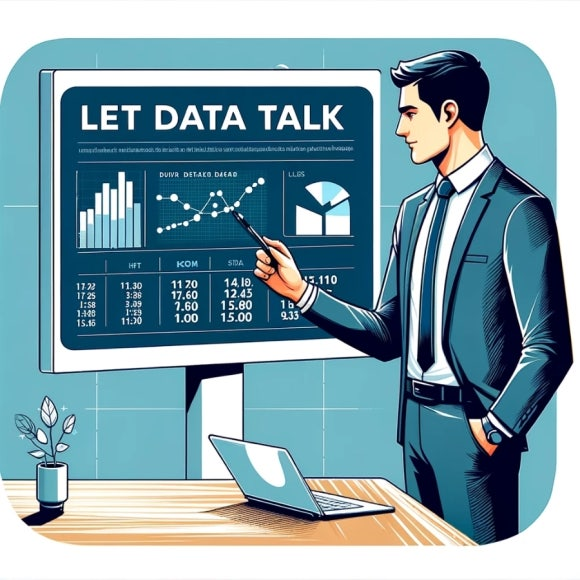
나는 이 말을 매우 좋아한다. 어떤 주장이 힘을 얻고 상대방을 설득하기 위해서는 막연한 주장이 아니라 숫자가 뒷받침해줘야 한다. 숫자는 말에 신뢰라는 힘을 준다.
계급장이 짓누르는 파워에 밀리더라도 소신 있게 자신의 주장을 발표할 수 있는 힘이나, 잘못된 주장을 잘못된 것이라고 진정으로 말할 수 있는 용기나, 부하직원의 발표가 옳거나 그른지 판단할 수 있는 통찰력도, 모두 논리적 뒷받침 아래서 가능한 일이다.
확실한 근거를 바탕으로 가지고 있다면 두려울 것이 없다. 주저할 필요도 없다. 빠른 의사결정에 강한 실행이 남아 있을 뿐이다. 그것이 논리가 주는 신뢰의 힘이다.
논어 자로(子路)편을 보면 공자가 위나라에 갔을 때, 위나라 관리로 있던 그의 제자 자로가 위나라를 어찌 다스려야 하는가를 질문하자, 부자간의 왕위 쟁탈전이 벌어졌던 위나라를 보고 공자가 그의 제자 자로에게 명분과 논리에 대해 말하는 것이 나온다.
“명불정즉언불순 언불순즉사불성(名不正則言不順 言不順則事不成), 즉, 명분이 바르지 않으면 말이 순리에 맞지 않으며, 말이 순리에 맞지 않으면 일을 이룰 수가 없다.”
이는 바른 목표에 맞는 논리적이고 합리적인 생각과 계획이 일을 제대로 이룰 수 있음을 의미하는 말이다. 이와 더불어 공자는 “군자는 명분을 갖고서 정확하게 말하되 반드시 실천으로 옮겨야 한다. 무릇 군자는 언행에서 아무렇게나 얼버무리며 대강대강 해치워서는 안 되는 법이다.” 라고 말했다.

2,500년 전 춘추전국시대에 살다 간 공자의 말에서도 대충 말로 때우고 슬쩍 넘어가려는 행동은 용납이 되지 않았나 보다. 하물며 논리적 분석이 부족했던 그 시대에서도 그랬는데, 21세기에 사는 우리에겐 분석적 판단이 얼마나 더 중요하겠는가? 논리로 무장된 계획과 행동에서 대강이나 대충이란 말은 있을 수 없을 것이다.
이제 논리를 두려워하지 말고 이제 좀 더 친근하게 접근해 보자. 초등학교에 들어가기도 전에 배우는 사칙연산 수준의 쉬운 산수와 사물을 바라보는 분석적 관점만 있으면, 너무 쉽게 친해질 수가 있는 것이 논리이다. 그리고 논리적 분석의 틀을 내 머리 속에 항상 간직하고 적용하면 된다.
과거의 잘못을 더 이상 반복하지 않고, 현재의 상황에 올바르게 대응하며 미래를 예측할 수 있는 통찰력과 창의력은 사물을 객관적으로 바라보는 힘, 논리에서 나온다. 좌뇌와 우뇌를 연결해주는 교량은 논리력이 쌓이면서 더욱 튼튼하고 넓어질 수가 있기 때문이다.
논리는 설득력이다. 논리는 통찰력이다.
논리를 바탕으로 만든 창의력의 세계는 믿을 수가 있다.
Logic, 논리는 바로 신뢰이기 때문이다.
—————
There’s a story I once heard—though I’m not sure if it’s true—that after the failure of Samsung Motors, Chairman Lee Kun-hee reprimanded his executives, asking why no one had strongly advised against entering the automotive business.
This illustrates a harsh reality faced by salaried workers: when a CEO makes a successful decision, it is attributed to his excellence, but when a decision fails, the blame often shifts to the subordinates who supposedly influenced that judgment.
Therefore, to help a superior make the right decision—or for the superior to do so on their own—any opinion expressed must be grounded in logic and supported by solid, confident evidence.
“Let data talk.”
I particularly like this phrase. For any claim to gain power and persuasively move others, it must be backed by numbers, not vague assertions. Numbers give credibility to words.
The power to assert one’s opinion with conviction even under pressure from hierarchy, the courage to call out false claims as wrong, and the insight to judge whether a subordinate’s presentation is right or wrong—all stem from logical reasoning.
With clear, evidence-based support, there’s nothing to fear. There’s no need for hesitation. What remains is swift decision-making and robust execution. That is the power of trust born from logic.
In the Analects, in the chapter “Zilu (子路),” when Confucius visited the state of Wei, his disciple Zilu, who was serving as an official there, asked how the country should be governed. Upon seeing a nation embroiled in a father-son power struggle over succession, Confucius spoke about legitimacy and logic:
“If names are not correct, speech will not be in accordance with the truth; if speech is not in accordance with the truth, affairs cannot be carried out successfully.”
This means that only logical and reasonable thoughts and plans aligned with a proper goal can lead to effective execution. Confucius also said, “A gentleman must speak precisely with a sense of legitimacy and follow through with action. A true gentleman must never gloss over things with vague speech or hasty behavior.”
Even 2,500 years ago during the Spring and Autumn period, vague language and careless execution were unacceptable. If that was the case in an era lacking logical analysis, how much more critical must analytical judgment be in the 21st century? In a plan or action fortified with logic, there is no room for carelessness or approximation.
Let’s stop fearing logic and instead approach it more closely. With only basic arithmetic learned even before elementary school and a habit of analyzing the world around us, logic becomes something easily accessible. All we need is to keep a logical framework in our minds and apply it consistently.
The ability to avoid past mistakes, respond correctly to present situations, and foresee the future with insight and creativity comes from the power to observe objectively—from logic. As logical thinking accumulates, it strengthens and broadens the bridge that connects the left and right hemispheres of the brain.
Logic is persuasion. Logic is insight.
A world of creativity built upon logic is trustworthy.
Logic is, ultimately, credibility.