

컨셉은 혼자 설정하는 것이 아니라 상대적인 것이다. 그래서 컨셉을 만들때는 항상 경쟁자를 조사분석해야 한다. 그런 점에서 너무도 유명한 코카콜라와 펩시콜라의 콜라전쟁 사례를 들어 펩시콜라의 컨셉을 설명해 보겠다.
펩시콜라의 컨셉은 무엇일까?
다시 말하면, 펩시콜라가 코카콜라에 비해 경쟁적 우위를 차지할 수 있는 것은 무엇일까?
이를 알기 위해서 과거 그 둘의 콜라전쟁의 역사로 돌아가야 한다.
코카콜라는 1886년, 펩시콜라는 1898년에 탄생했다. 마케팅의 선도자의 법칙처럼 제일 먼저 시장이 진입한 코카콜라가 펩시콜라에 비해 압도적으로 시장을 점유했다. 결국 펩시는 1934년 코카콜라의 반값으로 판매하는 극단적인 가격전략을 하여, 시장 점유율을 단숨에 14%로 끌어올리는데 성공하였다.

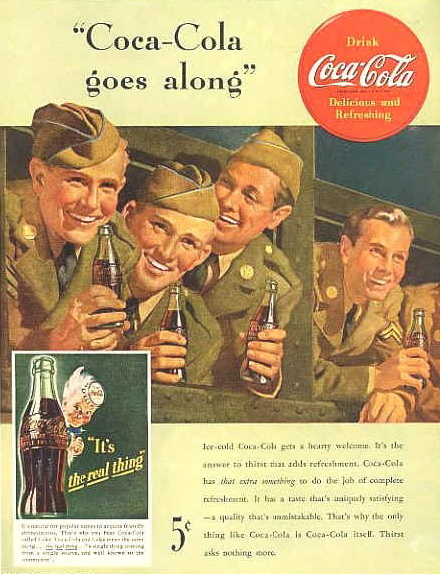
그러나 코카콜라는 제2차세계대전으로 해외에 참전한 미군에 콜라를 독점 공급하면서 펩시콜라를 다시 따돌렸다. 코카콜라는 참전 군인들에게 마치 ‘성수’처럼 인식될 정도 브랜드 파워를 강화하여, 심지어는 군인들에게 코카콜라 뚜껑이 전쟁의 기념품처럼 소장되기도 했다고 한다.
전쟁이 끝나고 1950년대 말, 코코카콜라는 펩시콜라보다 5배의 매출을 기록했다. 1970년대 펩시는 ‘저렴한 음료’라는 이미지에서 탈피하고 코카콜라의 압도적인 시장 점유율을 극복하기 위해, 소비자에게 눈가리개를 씌우고 자사 브랜드와 코카콜라를 맛보게 한 후, ‘진짜 맛있는 콜라’를 구분하게 하는 ‘펩시 챌린지(Pepsi Challenge) 캠페인’을 대대적으로 진행하며 다시 주가를 올렸다.
이 테스트 결과 52%의 사람들이 더 맛있는 콜라로 펩시콜라를, 그리고 48% 사람들이 코카콜라를 선택했고, 펩시는 사람들이 펩시를 선택하는 장면이 담긴 광고를 만들어 TV에 내보냈다. 이러한 광고가 큰 파장을 일으키며 펩시콜라의 시장 점유율도 대폭 상승되었다.

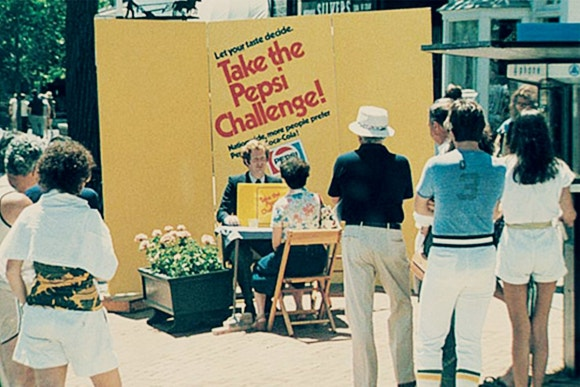
그러나 실상 소비자들은 눈가리고 펩시가 맛있다고 하면서도 콜라를 살 때는 코크(COKE)를 사는 바람에, 여전히 펩시는 코크를 극복할 수는 없었다. 이미 대부분의 소비자들이 오래 전부터 코크의 강한 맛에 길들여져 있었기 때문이다.
그리하여 고민한 끝에 1980년대에, 펩시는 모든 연령층에 소구하는 것보다, 타겟을 좁혀서 아직 코크에 길들여지지 않은 젊은층에 집중하는 전략을 결정했다. 당시 펩시 내부적으로 너무 위험한 전략이라는 반대의 소리도 많았지만, 펩시는 과감하게 전세계에 걸쳐 ‘ 펩시세대(Pepsi Generation)’의 도래를 선포하며 젊은층을 타깃으로한 전략을 세웠다.
이렇게 젊은층이라는 특정 고객군에 집중함으로써, 펩시는 오래되고 고전적인 코카콜라에 대항할 수 있는 포지셔닝을 확보했다. 펩시는 중년층 이상의 소비자를 코카콜라에 내어주는 희생을 감수해야 했지만, 결과적으로 아직 코크에 익숙해지지 않은 젊은층을 확보할 수 있었다는 점에서 성공적이었다.
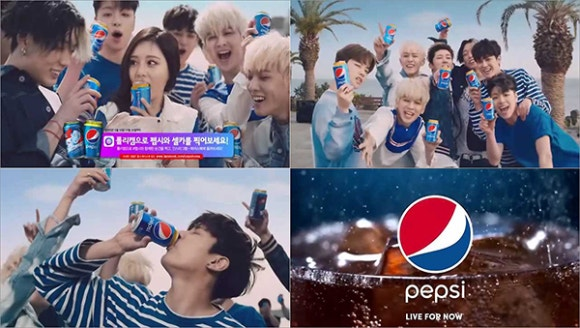
또한 이를 위해 젊은층이 좋아하는 80년대 세계적 아이돌인 마이클 잭슨 같은 스타를 광고에 등장시켰는데, 펩시의 이런 스타 마케팅 전술은 2000년대에 브리트니 스피어스로 이어지며, 지금까지도 전세계에 걸쳐 각 국가의 한 시대를 대표하는 아이돌을 모델로 발탁하며 계속 되고 있다.
따라서 펩시콜라의 컨셉은 ‘젊음’이다.

When establishing a concept to secure relative competitive advantage, it should never be set in isolation; it is a relative matter. Therefore, when crafting a concept, one must always investigate and analyze competitors. In this context, I will explain Pepsi’s concept through the famous “Cola Wars” case between Coca-Cola and Pepsi.
What is Pepsi’s concept? In other words, what gives Pepsi a competitive edge over Coca-Cola? To answer this, we must go back to the history of their Cola Wars.
Coca-Cola was created in 1886, and Pepsi in 1898. In line with the Law of Leadership in marketing, Coca-Cola—the first entrant into the market—dominated market share over Pepsi. Consequently, in 1934, Pepsi adopted an extreme price strategy by selling at half the price of Coca-Cola, successfully boosting its market share to 14% in a single leap.
However, Coca-Cola pulled ahead again during World War II by securing an exclusive contract to supply Coke to American troops serving overseas. Coca-Cola strengthened its brand power among participating soldiers to the point where it was perceived almost like “holy water,” and bottle caps were even collected by soldiers as wartime souvenirs.
By the late 1950s after the war ended, Coca-Cola recorded five times the sales volume of Pepsi. In the 1970s, to break away from its image as a “cheap beverage” and overcome Coca-Cola’s overwhelming market share, Pepsi launched the massive “Pepsi Challenge” campaign. This blind taste test asked blindfolded consumers to sample both brands and identify the “truly better-tasting cola.”
The test results revealed that 52% of participants chose Pepsi as the better-tasting cola, while 48% chose Coca-Cola. Pepsi filmed these moments and broadcasted the commercials on TV. These ads created a huge sensation, significantly increasing Pepsi’s market share.
However, in reality, even though blindfolded consumers stated that Pepsi tasted better, they still bought Coke when making actual purchases, meaning Pepsi still could not surpass Coke. This was because the vast majority of consumers had long been conditioned to Coke’s distinct, strong flavor.
After much deliberation in the 1980s, Pepsi decided to narrow its target focus toward younger generations not yet conditioned to Coke, rather than appealing to all age groups. Although there was strong internal opposition citing it as a high-risk strategy, Pepsi boldly declared the arrival of the “Pepsi Generation” worldwide and built its strategy around youth.
By focusing on this specific customer segment of young people, Pepsi secured a positioning that allowed it to stand against the old, classic image of Coca-Cola. While Pepsi had to accept the sacrifice of ceding middle-aged and older consumers to Coca-Cola, it was ultimately successful in capturing younger generations who were not yet accustomed to Coke.
To reinforce this strategy, Pepsi featured global 1980s pop icons favored by youth in its commercials, most notably Michael Jackson. Pepsi’s star marketing tactic continued into the 2000s with Britney Spears and persists to this day, featuring representative idols of each era across various countries worldwide.
Therefore, Pepsi’s core concept is “Youth.”