

나는 칭다오에서의 첫 날의 일과를 마치고 송차장과 둘이서 저녁식사로 소주 한잔을 한 후 2차로 그리 얼마 떨어지지 않은 꼬치 전문점인 투다리로 자리를 옮겼다. 한국의 투다리 간판에는 중국어로 투따뤼로 발음되는 ‘토대력(土大力)’이라고 써 있는데, 나는 발음이나 의미가 모두 잘 맞아 떨어진다는 생각이 들었다.
사실 대부분의 중국인들은 영어를 잘 못한다. 베이징이나 상하이의 유명 대학 출신이나, 외국 유학파들이 많이 증가하고 있다고 하지만, 세계에서 가장 많은 인구를 자랑하는 중국에서는 조족지혈이나 다름 없다.
바로 오늘만 해도 나는 칭다오 대학을 곧 졸업할 예정으로 인턴으로 근무하고 있는 여학생에게 컵을 하나 달라고 했는데, 그녀는 컵이 무엇인지를 알아듣지 못했다. 이처럼 쉬운 영어단어 조차 알아듣지 못하는 것이 지금의 중국 현실인 것이다.
중국의 법적 허가 상의 이유도 있지만, 외국의 수 많은 회사들이 중국으로 들어올 때 대부분 중국어 이름을 만드는 것도 영어를 바로 표기하지 못하는 중국인들에게 회사명과 브랜드를 쉽게 받아들이게 하려는 마케팅적 노력도 있다. 그런 점에서 중국어 브랜드를 얼마나 잘 만들었느냐는 중국 땅에서 승패를 좌우하는 초석이 될 정도로 매우 중요한 일이다.
내가 투다리 간판에 대해 잘 지었다고 말하자, 한 달을 먼저 살았다고 중국에 대해 뭐 좀 더 안다고 생각한 송차장이 말했다.
“상무님, 중국에도 세계 유명 브랜드들이 많이 들어왔잖아요? 그럼 어디 이름 알아 맞추기 게임 한번 할까요?”
“무슨 게임?”
“제가 중국어 브랜드를 말하면 상무님이 원래 브랜드 명을 맞추는 거죠. 벌주는 맥주 한 잔 어때요?”
“에이, 그거 내가 불리한데~?”
“쉬운 것도 많아요. 중국 맥주 잔은 한국 것의 반도 안되게 작으니까, 너무 부담 가지지 마시고 재미 삼아 한번 하시죠.”
“오케이. 콜(Call)~!”
“싱바커가 뭔지 아세요?”
“그거 어떻게 쓰는데?”
“어? 제가 아직 한자를 잘 쓸 줄은 모르는데요.”
“아니, 글로 보지도 못하고 어찌 답을 맞추냐?”
“아~ 그럼 제가 부연 설명을 드릴께요. 앞의 싱은 별성(星)자로 의미를 중국어로 따온 것이고, 바커(巴克)는 영어 발음을 중국어로 비슷하게 발음한 브랜드입니다.”
“별, 스타… 바커… 스타바커…., 아~! 스타벅스(Starbucks)지!”
“네. 맞았습니다. 이거 이렇게 해서는 게임이 안되겠네요. 제가 답을 다 가르쳐 드렸으니 말입니다.” 송차장은 푸념의 말을 하며 작은 맥주 잔을 단 칼에 마셨다.
“그냥 제가 설명 드릴게요. 글은 쓰지 못하지만 발음이라도 알아두면 도움이 되실 겁니다. 내일 저 떠나면, 중국 직원에게 한자어는 적어달라고 해보세요.”
“먼저 먹는 것부터 말씀 드리면, 중국에서 제일 성공한 패스트푸드점인 KFC는 켄터키 발음을 딴 컨더치(肯德基), 맥도날드는 마이당러(麦当劳), 코카콜라는 커커우커러(可口可乐), 펩시콜라는 바이스커러(白事可乐), 피자헛도 있는데 이건 잘 생각이 안 나네요, 잠시만요.”
송차장은 지갑에서 종이 쪽지 하나를 꺼내더니만 슬쩍 컨닝을 하더니만 말을 이었다.
“아~ 비성커(必勝客)이네요.”
나는 송차장이 든 종이 쪽지를 낚아채며 말했다.
“송차장! 이게 뭔데?”
쪽지에는 그 동안 송차장이 메모한 아주 기본적인 전투 중국어가 깨알처럼 적혀 있었다.
“임마~! 그냥 이걸 주고 가면 되지, 뭘 받아 적게 만드냐?”
“하하~ 원래 드릴려고 했었어요. 그래도 제가 몸으로 깨우치며 어렵게 배운 건데, 그리 쉽게 드릴 수는 없죠. 그래야 상무님도 금방 더 배우실테고요. 그냥 가지시면 안되고 복사하시고, 2주 후에 제가 다시 올 때 주셔야 해요?”
“그래, 알았다, 알았어.”
송차장과 칭다오 맥주를 여러 배 오가는 동안 나는 그의 중국생활에 대해 이런 저런 많은 이야기를 나눴지만, 내일 바로 떠나는 송차장이 못내 아쉬운 시간이었다. 송차장과 헤어지고 호텔로 돌아오자 이제부터 이곳에서 혼자서 헤쳐나가야 한다는 현실이 나를 더욱 두렵게 하였다.
나는 송차장에게서 빼앗은 쪽지를 꺼내 읽어봤다. 택시 타고 가는 곳을 얘기할 때, 식당에서 음식 주문할 때, 상점에서 물건 살 때 등 먹고 살기 위한 생존 중국어가 한글 발음과 함께 들어 있었고, 뒷면에는 아까 얘기한 각종 브랜드 명이 적혀 있었다.
“짜식, 이딴 남의 회사 브랜드가 뭐가 중요하다고…”
나는 침대에 누워 다시 한번 브랜드들을 중얼거리다 잠이 들었다.
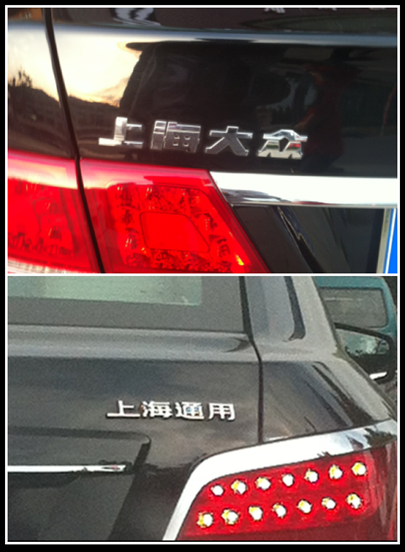
“BBQ-比比客(비비커), 롯데리아-乐天利(러티엔리) 삼성-三星(싼싱), 나이키-耐克(나이커), 아디다스-阿迪達斯(아디다쓰), 벤츠-奔驰(뻔츠), 폭스바겐-大众(따중), 제너럴 모터스-通用汽车(퉁용치처)….”

—————
After wrapping up my first day in Qingdao, I went out with Song for dinner and a few glasses of soju, then moved on to a nearby skewer bar called Tudari for a second round. On the signboard, “Tudari” was written in Chinese as 土大力 (pronounced “Tudali”), and I thought the sound and meaning matched surprisingly well.
The truth is, most Chinese people don’t speak English well. While graduates from top universities in Beijing or Shanghai, or those who studied abroad, are increasing in number, they are still just a drop in the ocean compared to China’s vast population. Even today, when I asked a female intern from Qingdao University for a “cup,” she didn’t understand the word. That such a simple English term could be unfamiliar reflects the reality in China.
Although legal requirements play a part, another reason so many foreign companies adopt Chinese names when entering the Chinese market is to make their brands more accessible to Chinese consumers who struggle with English. In this sense, creating a well-crafted Chinese brand name is a crucial foundation for success or failure in China.
When I remarked that the Tudari brand name was cleverly chosen, Song, who had already lived in China for a month and fancied himself somewhat knowledgeable, suggested a game.
“Sir, many global brands have already entered China, right? How about we play a guessing game?”
“What kind of game?”
“I’ll say the Chinese brand name, and you guess the original. If you miss, you drink a glass of beer. How about it?”
“Hey, that sounds unfair for me.”
“There are plenty of easy ones. Besides, Chinese beer glasses are half the size of Korean ones, so don’t worry. Let’s just play for fun.”
“Okay, call~!”
“Do you know what Xingbake is?”
“How’s that written?”
“Ah, I can’t really write Chinese characters yet.”
“Then how can I guess without seeing it?”
“I’ll explain. ‘Xing’ means star (星), and ‘Bake’ is a transliteration of the English sound.”
“Star… Bake… Starbucks! It’s Starbucks, right?”
“Yes, exactly! But this way the game doesn’t work since I basically gave you the answer.” Song downed a small beer glass in one gulp with a laugh.
“Let me just explain them instead. I can’t write the characters yet, but if you remember the sounds, it will help. After I leave tomorrow, just ask one of the local employees to write them down for you.”
“Let’s start with food. KFC, China’s most successful fast-food chain, is Kendeji (肯德基). McDonald’s is Maidanglao (麦当劳). Coca-Cola is Kekoukele (可口可乐). Pepsi is Baishikele (百事可乐). Pizza Hut is… wait, let me check…”
He pulled a small folded note from his wallet, sneaking a glance before continuing.
“Ah, here it is—Bishengke (必胜客).”
I quickly snatched the note from his hand.
“Song! What’s this?”
On the scrap of paper, I saw all sorts of basic “survival Chinese” phrases written down in tiny letters.
“You idiot! You should’ve just given this to me instead of making me write everything down myself.”
“Haha~ I was planning to give it to you anyway. But you know, I learned these the hard way through real experience. If I just hand them over too easily, you won’t learn as quickly. That way, you’ll study harder. Keep it, but make a copy and give the original back to me in two weeks when I return, okay?”
“Fine, fine, I got it.”
As we traded glasses of Qingdao beer back and forth, we talked at length about his experiences in China. Still, knowing he was leaving tomorrow made the time feel all too short. Back at the hotel, the reality of being left alone to navigate everything here began to sink in, filling me with unease.
I took out the note I had snatched from Song and read through it. It contained practical survival phrases with Korean pronunciations—how to tell taxi drivers where to go, how to order food at restaurants, how to buy things at shops. On the back, the list of global brand names he had mentioned earlier was neatly written.
“Damn it… why should someone else’s brand names matter so much to me…” I muttered, lying down on the bed. Still, I found myself reciting them aloud until I drifted off to sleep.
“BBQ – 比比客 (Bibi Ke), Lotteria – 乐天利 (Letianli), Samsung – 三星 (Sanxing), Nike – 耐克 (Naike), Adidas – 阿迪达斯 (Adidas), Benz – 奔驰 (Benchi), Volkswagen – 大众 (Dazhong), General Motors – 通用汽车 (Tongyong Qiche)…”