

우리가 허페이로 가는 길은 시외버스를 이용할 수밖에 없었다. 이상무가 수저우에서 영업을 위해 여러 곳을 돌아다녀야 한다고 해서 차를 남겨 둘 수밖에 없었기 때문이다. 일단 우리는 택시를 타고 시외버스 터미널을 향했다. 약 20여분 만에 터미널에 도착하자 내가 서부장에게 물었다.
“고속버스는 몇 시에 떠나지?”
“글쎄요. 지금 가서 확인해봐야 해요.”
서부장은 이말 한마디를 남기고 곧 바로 매표소로 달려갔다. 나는 그녀의 말에 깜짝 놀라며, 아니 그것도 모르고 무작정 왔는가 싶어, 송부장을 바라보며 어의가 없다는 표정을 지으며 말했다.
“아니, 몇 시 표가 있는지도 확인도 안하고 무작정 이곳으로 온 거야?”
“아~ 그건 저도… 잘…. 서부장이 알아서 한다고 해서….”
송부장의 더듬거리는 대답에 나는 더욱 기가 차고 말았다. 하긴 어찌 송부장을 탓하랴~, 그도 나처럼 중국어 한 마디 모르는 초짜 이방인이니 말이다. 한 참을 기다린 끝에 서부장이 표를 사와서는 말했다.
“앞으로 두 시간 후에 출발해요. 여기서 기다려야 합니다.”
그럼 그렇지 아무 준비도 안하고 무작정 왔으니 이런 일이 벌어질 수밖에 없지 않은가? 이번엔 어쩔 수 없다는 생각에 나는 대합실에 앉아 버스를 기다리며 서부장을 불러 말했다.
“서부장, 지금 이렇게 된 건 어쩔 수 없다고 하고, 그럼 허페이에 가서는 어떤 일정이지?”
“허페이까지는 세네시간 정도 걸립니다. 오늘은 그곳에서 하루 밤 자고 내일 아침 10시에 대행사를 만나기로 했습니다.”
“그럼 회의가 끝나고 나서는….?”
“칭다오로 돌아가야죠.”
“그러게, 내 말은 어떻게 돌아가려고 하냐고?”
“허페이에서 뚱처를 타고 가면 됩니다.”
뚱처란 우리나라의 KTX 같은 고속열차를 말한다. 한자로 动车(동차)인데 고속철도란 말을 줄여 가오띠에(고철, 高铁)라고도 부른다. 참고로 중국에서는 일반기차를 훠처(화차, 火车)라고 부르는데, 이는 과거 증기기관시절 불을 때워 다니던 시절부터 불렀던 이름이 계속 이어진 것 같다.
“그럼 뚱처를 타면 칭다오까지는 얼마나 걸리나?”
“아마도 5~6시간 걸릴 것 같아요.”
“좋아. 그럼 그건 지금처럼 기다리지 않도록 미리 전화해서 시간을 알아보고 예매를 하기 바래. 응?”
나는 마치 초등학생과 대화하는 것처럼 하나하나를 꼬치꼬치 질문하며 그녀가 스스로 깨닳아 주기를 바라는 애절한 마음이었다.
“당란(當然, 당연하죠~). 하우더(好的, 좋습니다)~”
그녀는 아무런 걱정도 하지 말라는 듯이 호쾌하게 대답하였지만, 그녀의 약속은 끝내 지켜지지가 않았다. 다음 날, 일을 마치고 허페이 기차역에서 또 한번 헤매다 결국 뚱처표를 구입하지 못한 것이다.
“아니, 내가 뭐랬나? 미리 알아보라고 하지 않았어? 이제 와서 그럼 무얼 타고 간단 말이야?”
나는 순간 더 이상 좋은 말로는 안되겠다 싶어 좀 더 억양된 목소리로 말했다. 그러나 서부장은 이런 게 일상인 양 아무렇지도 않다는 듯 대답을 하였다.
“훠차가 있어요? 근데 칭다오까지 15시간 정도 걸리는데, 여기서는 침대칸이 없다네요.”
“그럼 15시간을 밤새워 그리 가야 한다고? 그건 너무 힘들겠는데…. 다른 방법은 없어?”
“그럼 여기서 약 4~5시간 떨어진 장수성 쉬저우(서주, 西州)로 버스를 타고 가면, 거기에 칭다오 가는 뚱처가 있으니, 거기로 가서 뚱처로 가시죠.”
서부장의 말에 우리는 옳다구나 하고, 다시 고속버스 터미널로 가서 버스에 몸을 맡겼다. 그런데 그리 달려 저녁 7시가 다되어 도착한 쉬저우 기차역에서도 우린 결국 뚱처를 타지 못했다. 이미 늦었다는 것이다. 나는 또 다시 어이가 없어 이번엔 송부장에게 말했다.
“아니, 서부장 걔, 어디가 어떻게 된 애 아냐? 내가 미리 전화해서 확인하고 움직이라고 해도 말을 듣지가 않아? 그리고 애초에 출장 내려오기 전부터 이 모든 것이 준비가 되어 있어야지. 이게 도대체 뭔 일인가? 송부장이 좀 가서 얘기 좀 해봐~!!”
“아니, 저도 답답해서 얘기했는데, 말끝마다 ‘메이원티(沒問題, 문제없어요)’하더니만. 매번 이렇게 되네요. 휴~ 저도 어찌해야 할지 모르겠습니다.”
결국 우리는 쉬저우에서 하루를 묵고 내일 아침에 떠날 수밖에 없었다. 그러나 이게 끝이 아니었다. 내일 아침에 갔을 때도 뚱처표는 없었다.
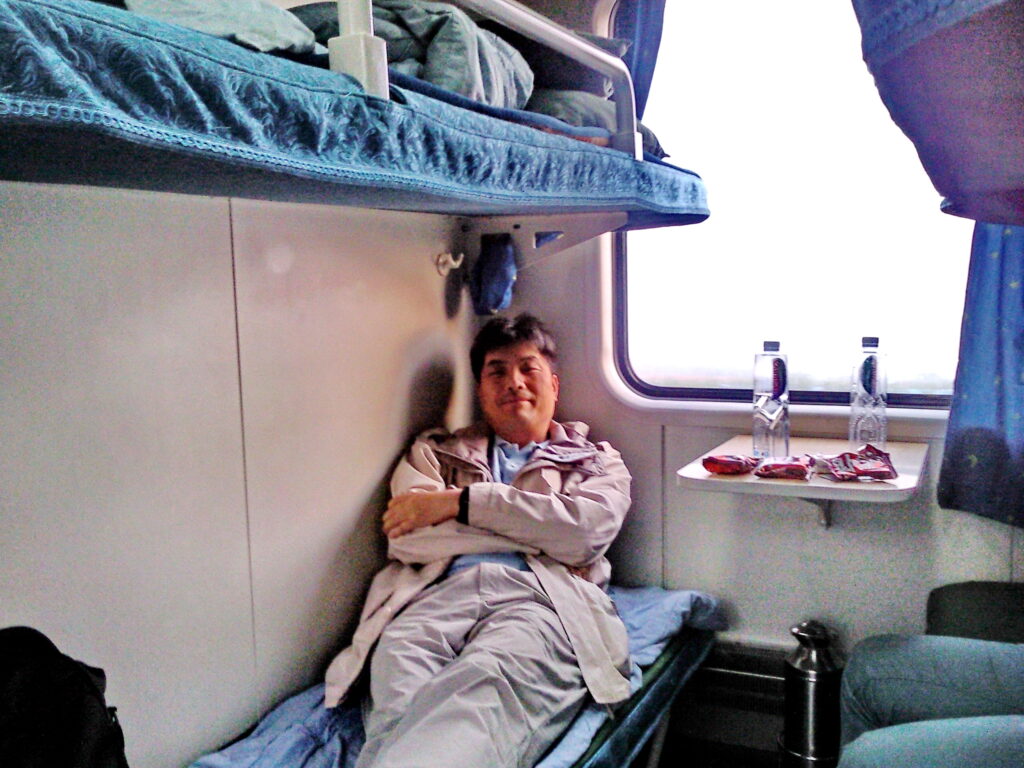
알고 봤더니, 뚱처표는 미리 예약하지 않으면 쉽게 자리를 구할 수 있는 것이 아니었기 때문이다. 결국 우리는 그나마 침대 칸을 구입해서 쉬저우에서 9시간 동안이나 훠처를 타고 그날 저녁 늦게 칭다오에 도착할 수가 있었다.
준비성 없는 직원 하나 때문에 나와 송부장은 길거리에서 이틀을 더 허비하고 만 것이다. 그것도 가뜩이나 하루하루가 바쁜 와중에 말이다. 그리고 칭다오에 도착해서 뒤늦게 알게 된 일이었는데 안후이성 허페이에는 공항이 있어서 그날 비행기를 타고 올 수도 있었다는 것이다.
우리가 이틀간 길거리에 뿌린 교통비 식비, 숙박비를 다 합치면 비용도 비행기 값이나 별반 다를 바도 없는 금액이었다. 도대체 이상무와 그의 직원들은 저런 방식으로 4년을 어떻게 버텨왔는지 참으로 한심하고 답답한 순간이었다. – 계속 –

—————-
We had no choice but to take an intercity bus to Hefei. It was because Director Lee had to travel around Suzhou for business, so we couldn’t leave the car behind. We hailed a taxi and headed to the intercity bus terminal. After about twenty minutes, we arrived, and I asked Ms. Xu,
“When does the express bus leave?”
“Well, I’m not sure. I’ll have to check now.”
Leaving that short reply, she hurried straight to the ticket counter. I was taken aback—had she really come all the way here without even checking the schedule? Turning to Mr. Song, I said in disbelief,
“Wait, did we come all the way here without even checking the departure time?”
“Ah… well… Ms. Xu said she’d take care of it… so…”
Hearing his stammering answer, I was at a loss for words. But then again, how could I blame him? He was just like me—a total stranger in China who didn’t understand a single word of Chinese. After quite a while, Ms. Xu returned with the tickets and said,
“The bus leaves in two hours. We’ll have to wait here.”
Of course. When you come unprepared, this is exactly what happens. I sighed, resigned to the situation, sat down in the waiting area, and called Ms. Xu over.
“Alright, we can’t help it now. So, what’s the plan once we get to Hefei?”
“It takes about three to four hours to get there. We’ll spend the night and meet the agency representative at 10 a.m. tomorrow.”
“And after the meeting?”
“We’ll go back to Qingdao.”
“Right. I mean, how are we getting back?”
“We’ll take the Dongche from Hefei.”
Dongche refers to China’s high-speed train, similar to Korea’s KTX. It’s written as 动车, meaning “electric train,” and often shortened to Gaotie (高铁) for “high-speed rail.” In contrast, regular trains are called Huoche (火车), literally “fire train,” a name carried over from the steam engine era.
“So, how long does it take to Qingdao by Dongche?”
“Probably about five to six hours.”
“Good. Then check the schedule in advance and reserve the tickets now, so we don’t waste time waiting again, okay?”
I spoke slowly, as if explaining things to a child, hoping she’d grasp the importance of preparation.
“Dangran! Of course! Haode! No problem!”
She responded cheerfully, as if everything was perfectly under control—but her promise was not kept. The next day, after finishing our meeting in Hefei, we got lost at the train station and ended up unable to buy Dongche tickets at all.
“Didn’t I tell you to check in advance? What are we supposed to do now?”
I raised my voice slightly, realizing that polite words wouldn’t work anymore. But Ms. Xu, unfazed as if this was routine, replied calmly,
“There’s a regular train, but it takes about fifteen hours to Qingdao, and there are no sleeper cabins left.”
“So you’re saying we’d have to ride fifteen hours overnight? That’s too much… Is there any other way?”
“We can take a bus about four or five hours to Xuzhou in Jiangsu Province. There’s a Dongche to Qingdao from there.”
That sounded reasonable enough, so we rushed to the terminal again and boarded the bus. But when we arrived in Xuzhou around 7 p.m., we once again failed to catch the Dongche—it was already too late. I turned to Mr. Song, utterly exasperated.
“What’s wrong with her? I told her to confirm everything ahead of time! And shouldn’t all of this have been planned before we even started the trip? What on earth is going on? Mr. Song, go talk to her!”
“I did! But she kept saying mei wenti—‘no problem’—and look where that got us. Honestly, I don’t know what to do anymore.”
We had no choice but to stay overnight in Xuzhou and leave the next morning. But even then, there were still no Dongche tickets available.
It turned out that Dongche seats had to be booked in advance; they couldn’t just be bought on the spot. In the end, we managed to get sleeper tickets on a regular train, spending nine long hours on board before finally arriving in Qingdao late that evening.
Because of one unprepared staff member, Mr. Song and I wasted two extra days on the road—time we couldn’t afford to lose. Later, we found out that Hefei actually had an airport, and we could have flown back that same day.
By the time we added up the transportation, meals, and lodging costs from those two lost days, it wasn’t much different from the price of a plane ticket. I couldn’t help but wonder how Mr. Lee and his team had managed to operate this way for the past four years—it was beyond frustrating.
—To be continued—