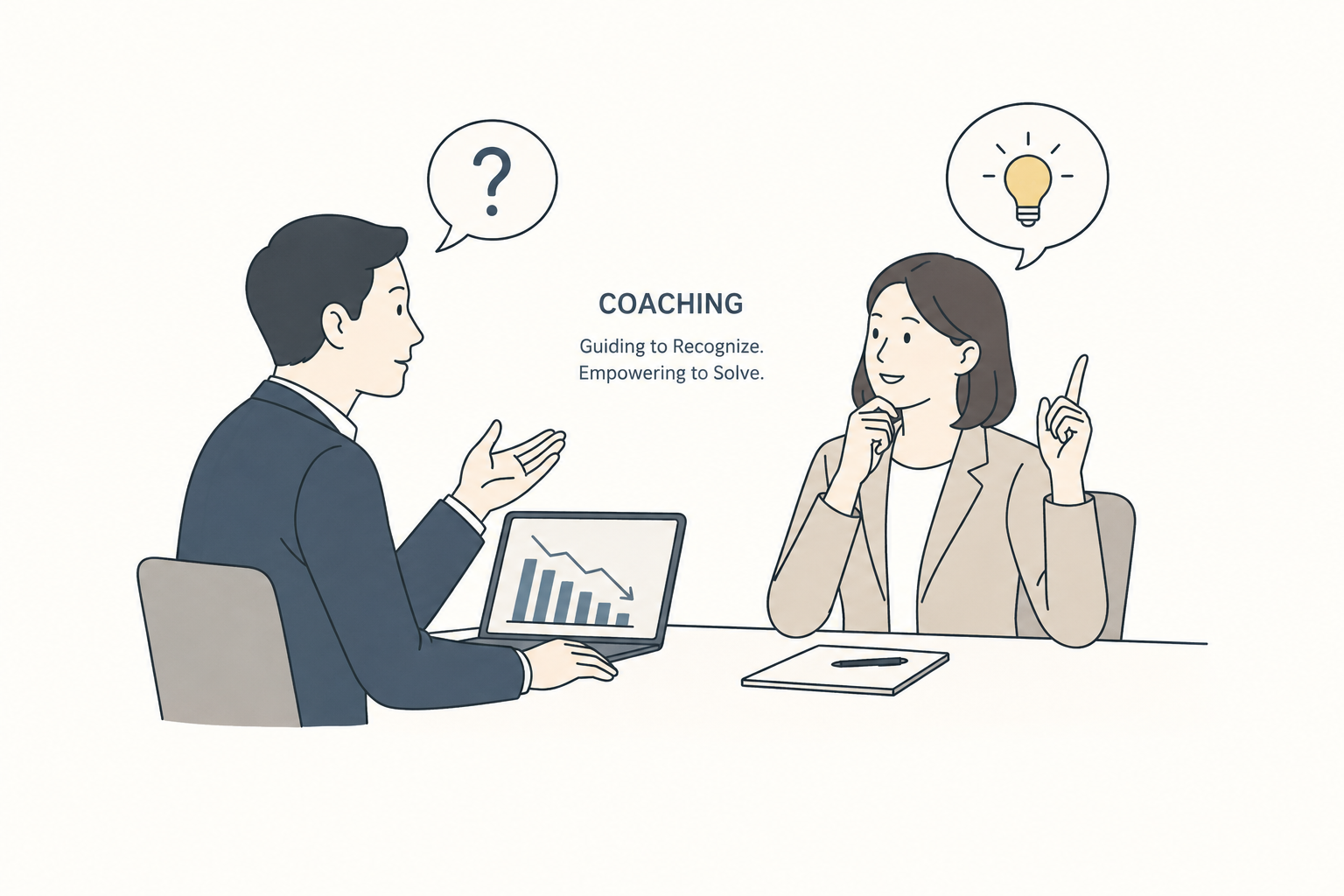
일반적으로 ‘교육’이라 하면 선생이 학생들에게 지식을 전달하는 것으로써 영어로는 티칭(Teaching)이라고 한다. 이것은 쌍방의 공감대보다 일방적인 하향식 전달 체계이다. 반면 코칭(Coaching)은 열린 질문을 통해 상대방이 직접 문제점을 인식하고 해답을 찾아갈 수 있도록 길을 열어 주는 것이라고 할 수 있다.
나는 이번 협상에서 내가 직원들에게 잘 사용해 왔던 코칭 스킬을 쉬 이사에게 활용하여, 쉬 이사가 문제점을 스스로 인식하고 답을 찾게 함으로써, 큰 갈등 없이 협상을 성사시킬 수가 있었다.
몇 달 전 저장성 항저우로 출장을 갔을 때도 그랬다. 초기 실적이 우수했던 대리상의 매출이 계속 떨어져, 그녀가 요구하는 지사 사무실 및 창고 임대료를 회사가 지원하기가 힘들 정도였다. 특히 항저우는 물가가 비싼 곳이라 임대료를 커버하기 위해서는 매출이 지금의 두 배는 되어야만 했다.
그럼에도 불구하고 그녀가 회사에 요구하는 것은 과거와 변함이 없었고, 영업부는 이를 수용할 수가 없어 결국 그녀와 영업부와의 관계는 더욱 악화만 되고 있었다. 이에 장 상무는 자신이 오랫동안 거래한 대리상이다 보니, 사이가 너무 친밀해져서 싫은 소리를 하기가 힘들다는 이유로 내가 대신 출장 가서 문제를 해결해주기를 원했다.
그때도 이미 막바지까지 치달은 갈등으로, 나는 최종 결단을 내려야만 하는 상황에 처하게 됐었다. 내가 출장 가는 목적은 항저우의 문제를 깔끔하게 해결해주거나, 아니면 항저우와의 거래를 파기할 수밖에 없다는 양단 간의 선택뿐이었다.
그때 나는 하루 종일 대리상과 미팅을 했지만, 내가 한 얘기는 거의 없었다. 나는 단지 팩트(Fact), 즉 매출 실적과 손익만 보여 주고, 이 참담한 결과에 대해 화두를 던지고는 구체적인 질문을 통해 그녀의 대답을 유도했다. 그러자 처음에는 주저하던 그녀도 차츰 문제점들에 대해 이야기를 시작하더니, 나중에는 봇물 터지듯 원인과 대안까지도 술술 나오게 되었다.
자신의 입으로 얘기한 대안은 자신이 지킬 수밖에 없을 것이다. 그래서 나는 그녀의 의견을 수용해줬고 서로 다시 한 번 잘해보자는 측면에서 문제는 해결되었다.
출장을 다녀와서 내가 장 상무에게 결과를 설명해주자, “이걸 그녀가 제안했다고요? 진작 내게는 왜 이런 제안을 안 했을까요?”라고 반문하는 그를 보며, 그저 쓴웃음만 지어 보였다. 지금도 그는 절대 모를 것이다. 코칭이 얼마나 냉철한 분석과 헌신적인 마음이 있어야만 이루어지는지를.
동북 지역 사례에서도 만약 내가 쉬 이사에게 자신의 마진을 일부 양보하라고 강요했다면, 그녀가 그런 마음이 설령 있었다 해도 하지 않았을지도 모른다. 아니, 양보했다 해도 나의 강요에 의해 어쩔 수 없이 한 그녀의 마음에는 잔뜩 불만이 쌓이게 되었을 것이다.
그러나 그녀 스스로가 문제점을 인식하고 해결하고자 했기 때문에, 자신이 희생해서라도 조직을 이끌어 나가고자 하는 리더십이 발현되어 쌍방이 만족할 만한 해결안이 나온 것이다. 바로 협상에서는 자기의 주장만을 고집하며 싸우는 것보다 쌍방의 합의점을 찾기 위해 나보다는 상대방이 대안을 제시하도록 하는 질문의 기술이 중요하다고 할 수 있겠다. (계속)

Generally, when we think of “education,” we think of a teacher delivering knowledge to students. In English, this is referred to as teaching. It is essentially a one-way, top-down method of communication rather than a process built on mutual understanding. Coaching, on the other hand, is about opening a path for the other person to recognize problems and discover solutions on their own through thoughtful and open-ended questions.
During this negotiation, I applied the coaching skills that I had long used with my employees. By helping Director Xu recognize the issues herself and arrive at her own answers, I was able to conclude the negotiation successfully without creating major conflict.
A few months earlier, I had experienced a similar situation during a business trip to Hangzhou in Zhejiang Province. The sales performance of a distributor that had once achieved outstanding results had continued to decline, making it difficult for the company to support the branch office and warehouse rental subsidy she was requesting.
Since Hangzhou has a particularly high cost of living, sales would have needed to double from their current level just to cover the rent. Nevertheless, her demands of the company had remained unchanged, while the sales department could no longer accommodate them.
As a result, the relationship between the distributor and the sales department continued to deteriorate. Executive Director Jang had worked with her for many years, and because their relationship had become so close, he found it difficult to have an uncomfortable conversation with her. He therefore asked me to travel there and resolve the issue on his behalf.
By the time I arrived, the conflict had already escalated to its final stage, and I was in a position where I had to make the ultimate decision. The purpose of my trip was clear: either resolve the Hangzhou issue once and for all or terminate our business relationship with the distributor.
Although I spent the entire day meeting with her, I did very little talking. I simply presented the facts—her sales performance and profit-and-loss figures—and then raised the central issue. Through a series of carefully structured questions, I guided her responses.
At first, she hesitated, but gradually she began discussing the problems herself. Before long, the conversation flowed naturally, and she openly identified not only the causes but also the solutions. People are far more likely to honor solutions that come from their own mouths.
I accepted her proposals, and with a shared commitment to making things work again, we successfully resolved the issue. After returning from the trip, I explained the outcome to Executive Director Jang. Looking surprised, he asked, “She came up with that proposal herself? Why had she never suggested anything like that to me before?”
I simply smiled. Even today, he probably still does not realize how much objective analysis and genuine commitment are required for effective coaching. The same principle applied in the case of the Northeast region. Had I pressured Director Xu to sacrifice part of her own margin, she might never have agreed, even if she had already been considering it.
And even if she had reluctantly accepted, she would have done so only because of my pressure, leaving her with deep resentment. Instead, because she recognized the problem herself and became genuinely committed to solving it, her leadership emerged naturally.
She chose to make sacrifices for the sake of the organization, and together we reached a solution that satisfied both parties. In negotiations, therefore, it is often far more effective than insisting on one’s own position to use the art of asking questions that encourage the other party to propose the solution. (To be continued)