

대리상들의 확보와 신제품 개발에 파묻혀 고속 성장의 틈바구니 속에서도 이익이 나지 않는 이유를 찾아 손익계산서를 붙들고 허우적거리다 보니, 어느새 또 한 해의 끝자락이 다가왔다. 나는 늘어난 적자 폭에 골치를 앓고 있었다.
물론 장 상무와 이 부총을 통해 새로운 영업 조직을 구성하고 본격적으로 영업을 시작한 지 이제 십 개월뿐이 안 되었으니, 일반적으로 유통투자적인 측면에서 첫해에는 적자가 날 수도 있는 일이다. 지난해에는 회사를 설립하고 이 상무와 소모성 게임을 하느라 영업도 제대로 못하고 돈만 썼으니, 큰 적자가 나는 것도 당연하다 싶었다.
하지만 이번 해는 제대로 된 영업을 하며 월 매출 일천만 위안의 과업을 달성했음에도 적자가 더 늘어만 났으니, 이건 내가 알고 있는 회계적 상식과는 달라도 너무 달랐다. 세상에 이런 경우가 있을 수 있나 할 정도였으니 말이다.
회사의 일반적인 비용 구성비를 보면 초기 투자에서는 매출과 상관없는 인건비나 사무실, 설비 등의 고정비 지출이 크기 때문에 적자가 나는 경우가 많다. 이럴 경우 영업을 하면서 점차 매출이 증가하면, 매출액 대비 고정비율이 감소하고 자동적으로 영업이익률이 증가한다.
그렇기 때문에, 어떡하든 매출 규모를 늘려서 고정비율을 낮추는 ‘규모의 경제’ 효과를 가져와야 한다. 즉 고정비를 커버하는 ‘손익분기점(BEP, Break Even Point)’ 매출을 달성하기만 하면, 그다음부터는 이익을 실현할 수가 있는 것이다.
그런데 우리의 손익계산서는 남달랐다. 변동비율이 90퍼센트나 되기 때문이다. 변동비는 말 그대로 매출이 증가하면 정비례하여 증가하는 비용이기 때문에, 고정비처럼 매출이 증가한다고 경비율이 떨어지지가 않는다.
따라서 아무리 많이 팔아도 이익이 날 수가 없는 구조인 것이다. 한마디로 대리상들에게 매출액 비례로 주는 마진, 장려금, 판촉 및 사무실 등의 각종 지원 비용이 너무 많은 것이 문제였다.
장 상무의 호언장담대로 육 개월간 지급하는 신규 장려금이 끝나면 수익률이 증가할 것이라는 말은 현실로 나타나지 않았다. 대리상들은 신규 장려금을 타기 위해 육 개월간 매출을 왕창 일으켰다가 그 후에는 매출이 뚝 떨어지거나 아예 실적조차 없는 경우가 태반이었기 때문이다.
그래도 전체적으로 매출이 감소하지 않는 건, 다시 새로운 신규 대리상들이 들어와 그 빈자리를 채우게 되어, 결국 회사는 매월 감소하지 않는 신규 장려금을 계속 지급하는 꼴이 되고 말았다. 조직은 분명 커졌고 매출이 증가했는데도, 줄어들지 않는 신규 장려금 때문에, 총 비용이 감소하지 않는 이상한 구조가 되풀이되고 있는 것이다.
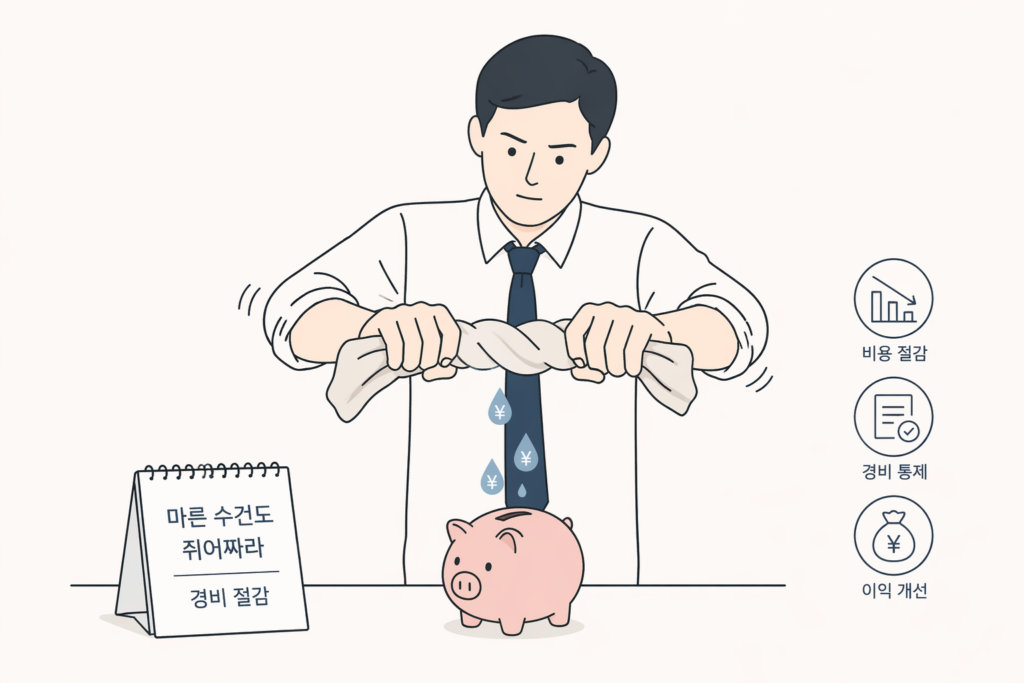
나는 이미 대리상들에게 발표된 변동비적인 지원규정들을 하루아침에 바꿀 수가 없어서, 일단 내가 직접 건드릴 수 있는 고정비를 줄이기 위해 마른 수건을 쥐어짜듯 경비를 강력히 통제하였고, 눈먼 돈이 어디서 새고 있는지를 고민했다.
그 첫 번째가 영업비용 이외에 가장 큰 비중을 차지하는 제품 원가였기에, 나는 나 부장에게 채찍질을 가하지 않을 수가 없었다. 물론 매출 규모가 커지면서 과거에 비해 원가를 낮출 수 있는 협상력도 생기게 되었지만, 나 부장의 헌신이 없었으면 원가율을 상당 부분 낮추기는 힘들었을 것이다. (계속)

——————–
Buried in securing distributors and developing new products, and struggling through the chaos of rapid growth, I found myself clinging to the income statement, searching for the reason why profits were not materializing. Before I knew it, the end of another year was approaching. I was plagued by the widening deficit.
Of course, it had only been ten months since we established a new sales organization through Managing Director Jang and Vice President Lee and began full-scale operations. From a distribution investment perspective, it is generally expected that losses may occur in the first year. Considering that last year was spent establishing the company and engaging in a wasteful tug-of-war with Executive Director Lee without proper sales activities, it seemed natural that significant losses had occurred.
However, this year was different. Despite conducting proper sales activities and achieving a monthly revenue target of 10 million yuan, the deficit continued to grow. This outcome deviated drastically from my understanding of basic accounting principles. It was almost unbelievable that such a situation could exist.
In general, the cost structure of a company during its initial investment phase is heavily weighted toward fixed costs such as labor, office expenses, and equipment, which are not directly tied to revenue. As a result, losses are common at this stage. As sales increase over time, the ratio of fixed costs to revenue decreases, naturally improving the operating profit margin.
Therefore, it is essential to expand the scale of sales to reduce the fixed cost ratio and achieve the “economies of scale.” In other words, once the company reaches the Break Even Point (BEP) that covers fixed costs, it can begin to generate profits.
However, our income statement was unusual. The variable cost ratio was as high as 90 percent. Variable costs, by definition, increase in direct proportion to sales, meaning that unlike fixed costs, their ratio does not decrease as sales grow.
As a result, no matter how much we sold, the structure made it impossible to generate profits. In short, the problem was the excessive level of costs tied to sales, including distributor margins, incentives, promotional expenses, and office support.
Contrary to Managing Director Jang’s confident assertion that profitability would improve once the six-month new distributor incentives ended, reality proved otherwise. Distributors would generate a surge in sales during the six-month incentive period to maximize their rewards, only to see their sales plummet—or even disappear entirely—afterward.
Nevertheless, overall sales did not decline because new distributors continuously filled the gaps left by others. Consequently, the company found itself in a cycle of perpetually paying new distributor incentives each month. Although the organization expanded and sales increased, the persistent burden of these incentives created an unusual structure in which total costs did not decrease.
Since I could not abruptly change the variable support policies already announced to distributors, I decided to focus on reducing fixed costs within my control. I enforced strict cost management, wringing expenses as if squeezing a dry towel, and searched for areas where money was leaking.
The first major target, aside from sales expenses, was product cost, which constituted a significant portion of total expenses. As a result, I had no choice but to push Manager Na hard. While the growing sales volume had improved our bargaining power to reduce costs compared to the past, it would have been extremely difficult to achieve meaningful reductions in cost ratios without Manager Na’s dedication. (To be continued)